
Last updated November 14, 2026
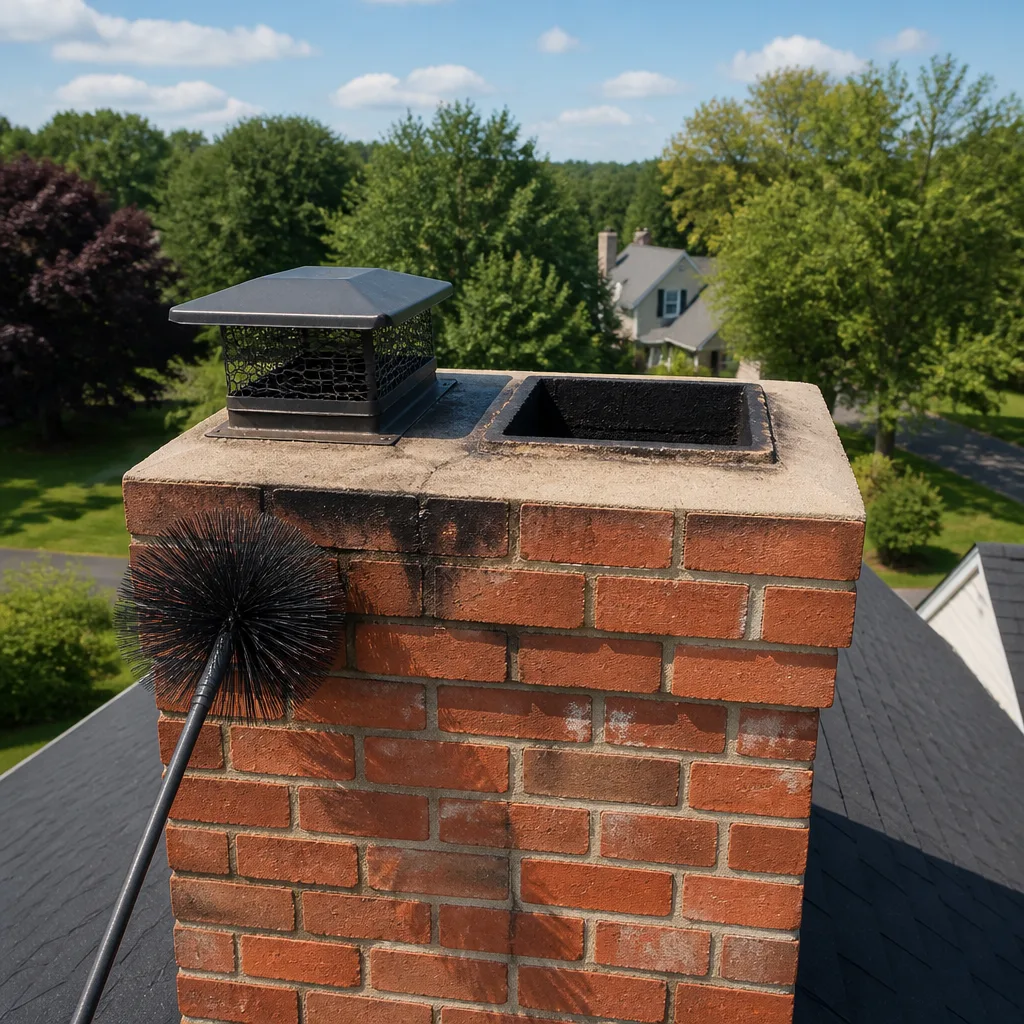 Sweep & inspection
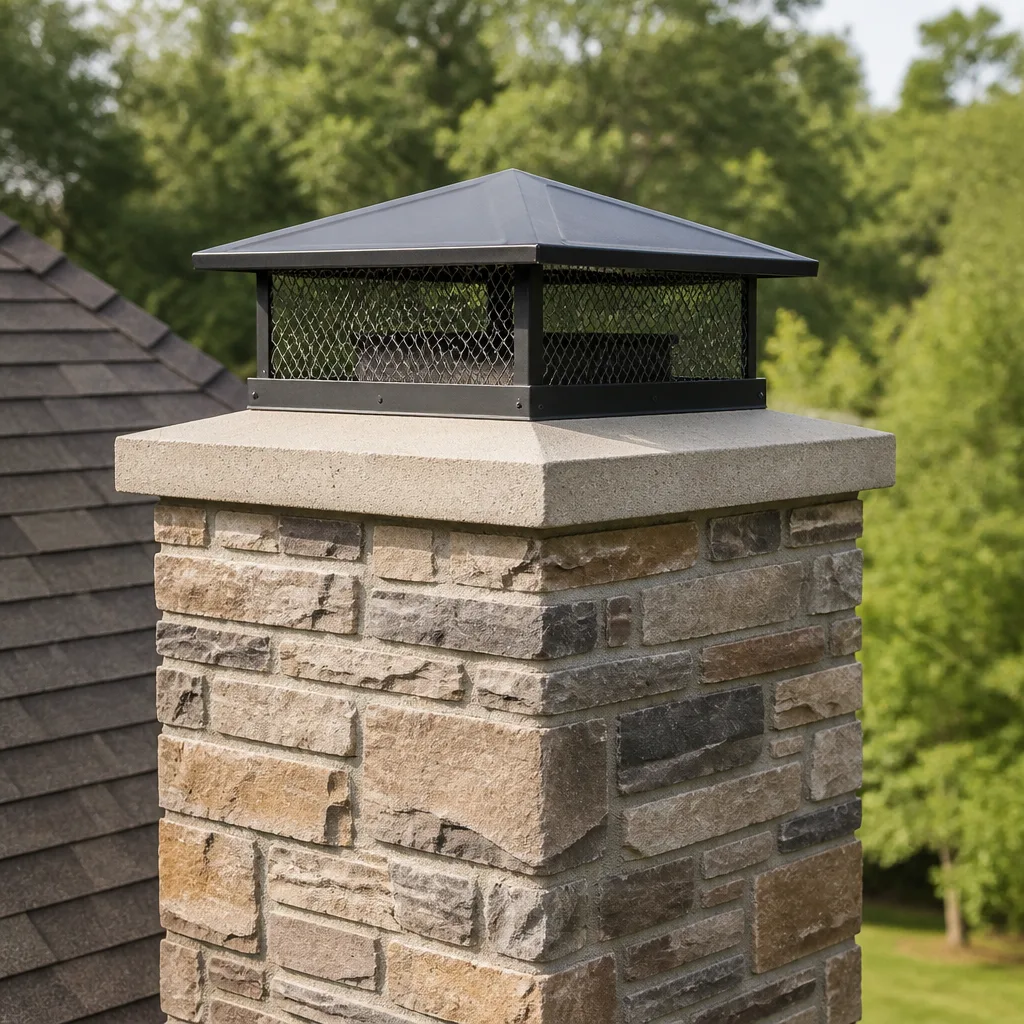 Caps & crowns
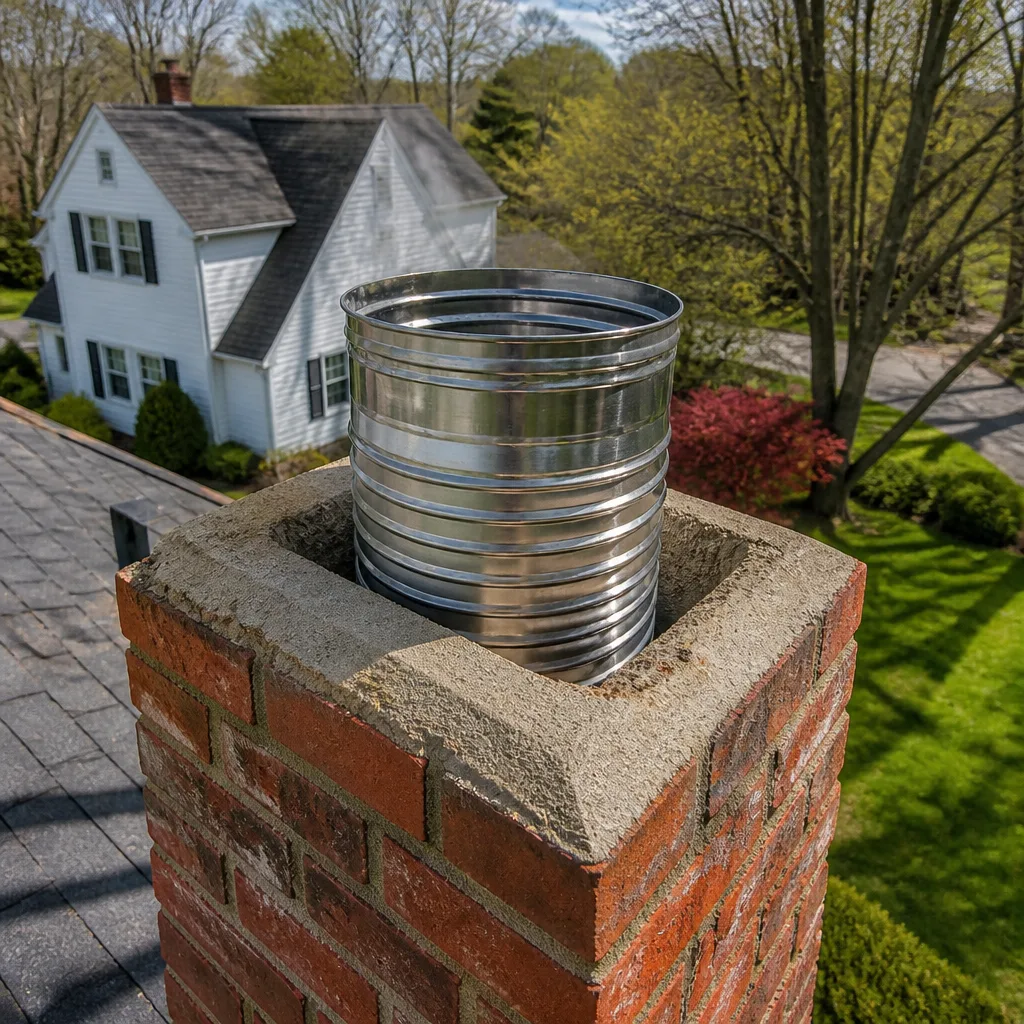 Flue relining
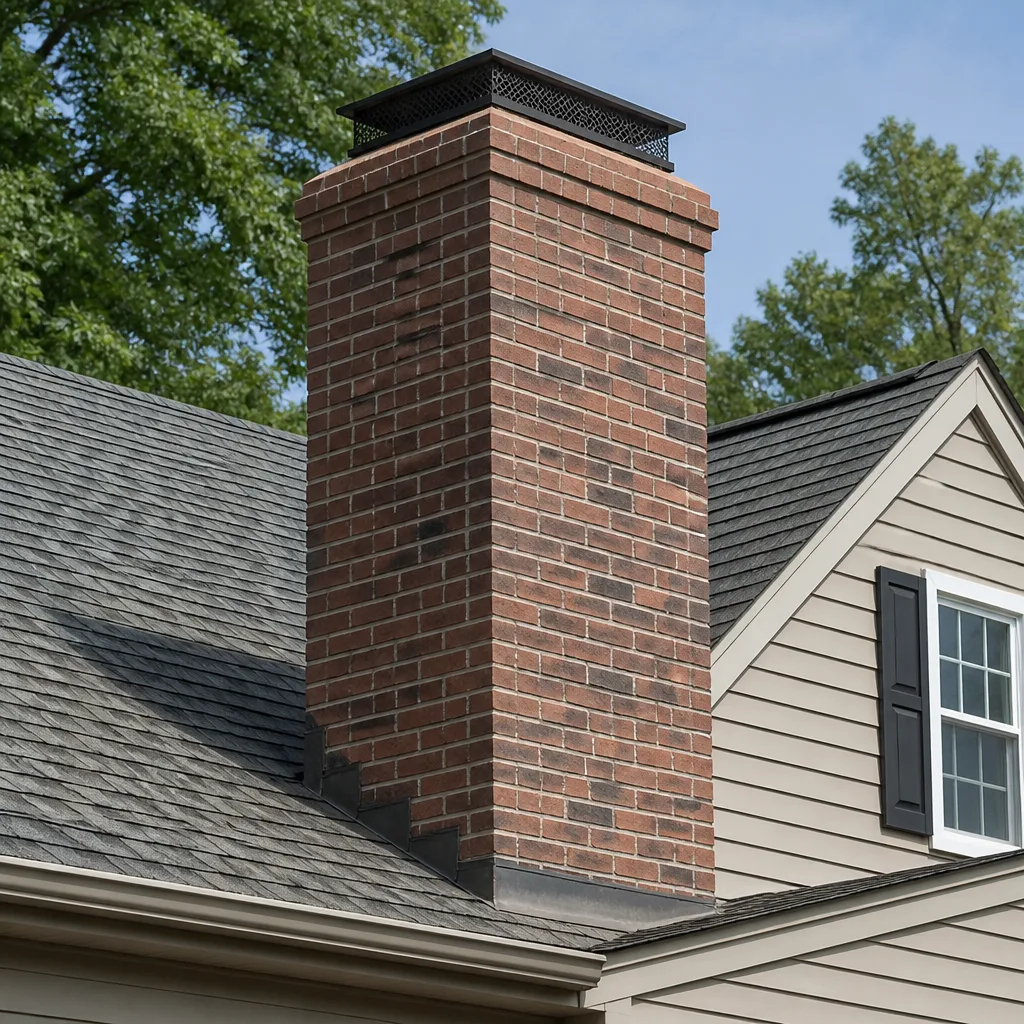 Masonry repair
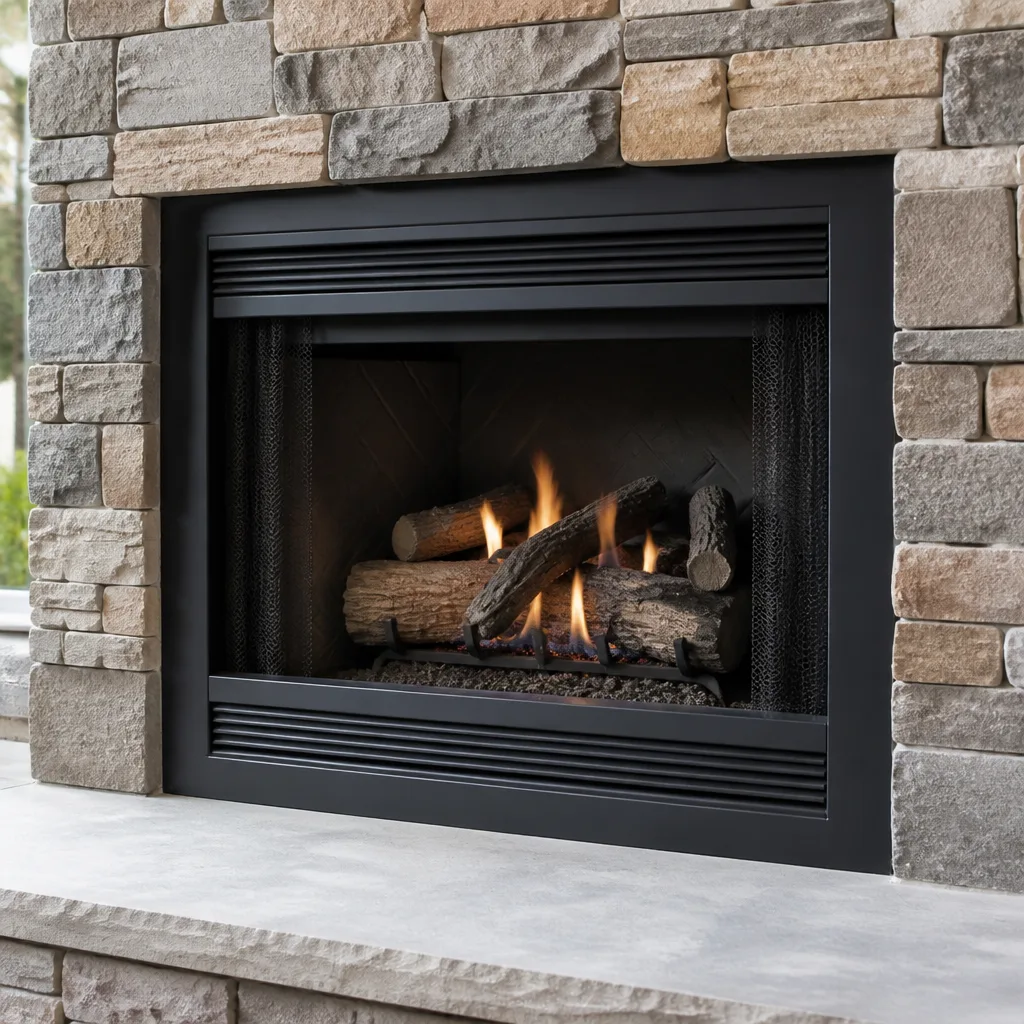 Gas fireplace service
Level 1 sweep and inspection to the NFPA 211 annual standard - flue, crown, cap, and flashing checked and photographed
Chimney sweep logs do not sweep chimneys. They loosen some creosote - which then falls where a brush and vacuum still have to collect it.
Chimney Cleaning Warning Signs: A High Point Homeowner’s Reference Guide
Most homeowners call us after the smell arrives. By then, the problem inside the flue is usually one or two seasons old. The signs that matter aren’t the dramatic ones. They’re the quiet ones: a white bloom on the exterior brick, a damper that suddenly sticks, a faint musty note when you open the firebox door on a cold morning. White staining on exterior chimney masonry is often the earliest visible indicator of a moisture problem inside the flue, and most High Point homeowners assume it’s just cosmetic. This guide gives you a systematic inspection sequence by location, explains what each sign actually means, and separates the stop-use-now signals from the schedule-it-soon ones.
Quick Answer
The warning signs that matter most are white staining on exterior masonry, dark streaking on brick or at the cap, a rusted or sticking damper, musty or acrid odors from the firebox, and smoke that rolls back into the room during a fire. Any sign of rust through the firebox or flue, active water intrusion, or visible cracking with a strong summer odor means stop using the fireplace and get it inspected before your next fire.
Styles & brands we work with
- Sweep & inspection
- Caps & crowns
- Flue relining
- Masonry repair
- Gas fireplace service
Table of Contents
- A Systematic Inspection Sequence for High Point Homes
- Signs You’ll See Inside the Firebox When the Fireplace Is Cold
- Signs That Only Appear During an Active Fire
- Exterior Masonry Warnings: Efflorescence, Streaking, and Spalling
- Ceiling and Wall Signals Around the Chimney Chase
- Roofline Checks: Caps, Crowns, and Flashing
- What Your Chimney’s Odor Is Telling You
- Stop-Use Now vs. Schedule-Soon: A Decision Guide
- What You Can Check Yourself and What You Shouldn’t
A Systematic Inspection Sequence for High Point Homes
Random poking around a chimney doesn’t tell you much. What does is a repeatable sequence: the same four zones, in the same order, every time. Once you run it a couple of times, you’ll know your chimney’s baseline, and any change from that baseline becomes meaningful.
Here’s the sequence we walk homeowners through. Nothing here requires climbing anything or opening a panel.
- Start inside the firebox, cold. Open the damper and look up at the smoke shelf with a flashlight. Check the firebrick joints, the damper plate, and the metal or masonry surfaces for rust, dark glazing, or crumbling mortar.
- Walk the room. Look at the ceiling directly above and the wall where the chimney chase passes. Feel for cool spots along the wall in winter. Note any staining, bubbling paint, or a line of discoloration on the wallpaper.
- Walk outside to the chimney base. Look at the first four to six feet of exterior masonry. White bloom, dark streaks, cracked brick faces, and loose mortar all show up here first.
- Step back and look at the roofline. From the ground, with binoculars if you have them, check the chimney cap, the crown, the flashing where the chimney meets the roof, and whether any bricks look shifted out of plumb.
Run this sequence in spring and fall. Anything that changes between inspections is worth a closer look. An annual chimney sweep covers the inside of that list with a camera and a proper brush, which is really the only way to see the flue’s upper sections.
One note on High Point’s climate that matters for this kind of tracking: our winters swing hard between cold nights and mild afternoons, and our summers are humid. That freeze-thaw cycling and summer moisture load is tough on masonry and on any gap in the cap or crown. It’s why the exterior finds in this guide deserve as much attention as the firebox ones.
Signs You’ll See Inside the Firebox When the Fireplace Is Cold
The cold firebox is your best diagnostic window. When there’s no fire, you can see things that would otherwise be hidden by glare and heat. Here’s what to look for and what each one points to.
Rust on the damper or firebox metal
Rust on the damper frame or the steel panels around the firebox means water is getting in from above. The usual culprit is a failed chimney cap or a cracked crown letting rain into the flue, where it sits, condenses, and eats metal. A rusted damper almost always points to a cap problem, not a damper problem. It’s worth knowing that a properly fitted cap, sourced from a maker like Gelco or Famco, is what prevents this cycle from starting again.
White, chalky bloom on interior masonry
If you see a white, powdery film on the inside of the firebox brick, that’s moisture moving through the masonry and leaving mineral salts behind as it dries. It’s the same process as exterior efflorescence, just inside. It means water is present in the chimney’s structure, and it usually means the chase or flue needs a camera inspection to find where it’s entering.
Dark glazing on the firebox walls (glaze creosote)
Light, flaky creosote is normal between sweeps. Hard, shiny, tar-like buildup is different. Glazed creosote forms when the fire runs cool or the wood is wet, and it doesn’t come off with a standard brush. It’s the stage of buildup that’s most associated with chimney fires, and it’s the reason we recommend a sweep whenever you see it, not later.
Crumbling or missing mortar joints
Between the firebrick, mortar should be tight and even. When it turns sandy and starts to fall out, the firebox is losing structural strength. On a firebox, that’s not a cosmetic repair. Left alone, heat and moisture find their way behind the brick.
Rusty or warped smoke chamber and shelf
Look up past the damper with a flashlight. The smoke shelf and chamber above it should look clean and smooth. Rust, warped metal, or a heavy creosote coating in that zone is a stop-and-inspect finding, because that’s where fires that start in the flue often begin.
If any of these show up, don’t light a fire until a trained technician has seen them. We can walk you through what we find with a camera and a written report, and give you a flat-price estimate before any work is scheduled.
Signs That Only Appear During an Active Fire
Some warning signs only manifest with a fire going. That’s why watching your first fire of the season matters as much as the cold inspection. Here’s what to watch for and what each symptom is telling you.
- Smoke rolling into the room instead of up the flue. This is a draft failure. It can come from a cold flue, an undersized flue for the firebox, a closed or partially closed damper, a blocked flue, or a house that’s too tight for the chimney to pull air. Each cause has a different fix, and the fire should not be lit again until someone finds out which it is.
- A weak or lazy fire that won’t draw. If the fire smolders no matter how you build it, the chimney likely isn’t pulling proper air. In High Point, we see this in homes where an insert or wood stove was added to an older fireplace without matching the flue to the appliance, but a partially blocked flue causes it too.
- Dense, dark smoke from the top of the chimney. A properly burning fire produces mostly clear exhaust with a little wisp at startup. Dark, thick smoke means incomplete combustion and heavy creosote production. It’s a wood-moisture problem, a flue-sizing problem, or both, and it accelerates buildup fast.
- A roaring, crackling sound louder than the fire itself. Normal fire crackle is wood. A deep, low roar is different. If you hear it, get out and call the fire department. That is the signature of a chimney fire, and it can happen with no visible flame from outside.
- Puffs of smoke or heat back into the room when you open the door. That’s a pressure problem in the house or a partially blocked flue. It won’t fix itself with a different fire-building technique.
- Soot or creosote falling down onto the hearth or into the firebox during a fire. Fresh material dropping during burning is a sign the flue is shedding the layer above, which means the buildup is heavy.
The signs above only show up when there’s an active fire. If any of them appear, the fireplace should be off until we’ve done a camera inspection. That inspection is included with every sweep, and you’ll see the photos before anything else gets recommended. Call us at (877) 798-3391 to get one on the schedule.
Exterior Masonry Warnings: Efflorescence, Streaking, and Spalling
The outside of your chimney tells you more, earlier, than the inside does. The masonry is the first surface rain, snow, and temperature swings hit, and it’s the first place moisture problems show up. Most High Point homeowners walk past it every day without looking.
Efflorescence: the white bloom
Efflorescence is that white, chalky staining on brick that looks like a paint spill or a salt deposit. It’s neither. It’s mineral salts carried to the surface by water moving through the masonry. Water gets into the chimney (through the crown, flashing, cap, or the brick itself), dissolves salts in the brick, and pushes them out as it dries. The bloom on the surface is cosmetic, but what produced it isn’t. Efflorescence means moisture is actively migrating through the chimney structure. Ignore it long enough and the next stage is spalling.
Spalling: cracked and popped brick faces
Spalling is what happens when trapped water freezes inside the brick. The face of the brick pops off, leaving a rough, crumbly surface. High Point’s winter freeze-thaw pattern drives this, so a chimney that fared fine in another climate can deteriorate here once a moisture problem exists. Spalling bricks mean the masonry is losing material and needs repair, not just a sealer.
Dark streaking below the cap
A vertical dark streak running down from the chimney cap or crown is creosote or soot overflow. It means the flue is full enough that material is spilling over the top edge and running down the exterior. It’s the exterior confirmation of a heavy internal buildup, and it means the sweep is overdue.
Rust stains on the cap, flashing, or masonry
Rust streaks below the cap usually mean the cap itself is failing or the metal above has been sitting wet for a long time. A stainless cap from a supplier like Olympia Chimney or Copperfield holds up to our humidity far better than a cheap galvanized one, and it’s the right fix when a cap has reached the end of its service life.
Loose or missing flashing
Look at the line where the chimney meets the roof. Flashing should look tight and continuous. When flashing lifts or the sealant cracks, water runs down the chimney chase instead of off the roof. That’s often the actual source of an interior ceiling stain a homeowner has blamed on the roof.
If you’re seeing efflorescence, spalling, or persistent dark streaks, the right next step is a camera inspection of the flue plus a close-up look at the exterior. Both tell us whether it’s a cap, crown, flashing, or masonry-and-flue problem, and whether the fix is a repair, a resurfacing with a product like HeatShield, or a liner. We quote it flat before any work starts.
Ceiling and Wall Signals Around the Chimney Chase
The chimney chase – the framed enclosure the flue runs through – is your interior early-warning zone. Water and heat show up here before they show up anywhere else in the house, because the chase is where the flue meets the ceiling and roof.
- Brown or yellowish staining on the ceiling near the chimney. Water is coming down the chimney chase and finding the ceiling. The source is almost always above: the crown, the flashing, or the cap.
- Bubbling or peeling paint on the wall beside the chase. Moisture under paint doesn’t need a visible leak to appear. A slow wicking problem in the masonry is enough. This is one of the easiest signs to write off as aging paint and one of the most useful ones to notice early.
- A line of discoloration on wallpaper or drywall. A faint, straight line where the chase meets the wall usually means water is tracking along a joint. Wallpaper can hide this for a season, which is why we ask homeowners to inspect the seam by eye, not just by feel.
- A cold draft from the wall in winter. If the wall next to the chimney feels measurably colder than the rest of the room in winter, air is moving behind the drywall. That’s often the sign of a failing chase cover or air gaps sealing the firebox from the living space.
- Cracks in the drywall radiating from the chase corners. Small cracks aren’t always structural, but they can signal moisture movement or settling around the chimney. New cracks deserve a look from a technician, especially if any other sign on this list is also present.
One thing our technicians with up to 14 years of experience consistently find in High Point homes: the ceiling stain that looks like a roof problem is often a chimney problem. Roofers and chimney sweeps should both look at the same corner before anyone replaces shingles. If the staining starts high and runs down the chase, start with the chimney.
Roofline Checks: Caps, Crowns, and Flashing
You don’t need to climb on the roof to check the roofline. From the ground, with binoculars, you can see the top of the chimney and the lines where it meets the roof. Here’s the ground-level checklist.
- Is there a cap? A good chimney cap keeps rain, animals, and debris out of the flue. A missing or damaged cap is the most common cause of interior water problems we find. If the cap is rusted through or bent, it needs replacement.
- Does the crown look continuous? The crown is the sloped concrete or masonry top that sheds water away from the flue. A cracked or crumbled crown lets water run straight into the flue.
- Are the bricks in line? Look for bricks leaning, joints opening, or the whole chimney tilting away from the house. A visible lean is a structural finding and deserves a professional look before the next burn season.
- Does the flashing look tight? The metal where the chimney meets the roof should sit flush and continuous. Lifted flashing, cracking sealant, or a dark, wet line below it tells you water is getting in.
- Is the cap mesh intact? A wire mesh screen that’s torn or pulled away invites animals and lets sparks and embers escape. If you can see daylight through a gap in the mesh, it’s not doing its job.
If you see any of these, a camera inspection plus a close-up exterior look is the right next step. Every sweep includes that inspection and a photo report you can look at yourself, so you’re not taking anyone’s word for what’s wrong with your roofline.
What Your Chimney’s Odor Is Telling You
Smell is the most overlooked diagnostic tool a homeowner has, and it’s often the only sign that shows up in summer when the fireplace is off. Here’s what each type of odor is telling you.
- Musty, damp smell. Moisture is present and something is growing. Mold or mildew in the flue or the chase. Almost always tied to a cap or crown failure letting water in. The musty smell will get worse in summer humidity, which is when High Point homeowners tend to notice it.
- Acrid, smoky smell in summer with no fire burning. Creosote is off-gassing. Even a cold flue holds creosote that gives off an acrid smell as it warms up, and the smell that shows up in July usually means the creosote layer is thick and the flue is pulling warm, humid air through it. If the smell is strong, the sweep is overdue.
- Animal smell: ammonia, urine, or a musky odor. You likely have an active intrusion: birds, squirrels, or raccoons in the flue or on the smoke shelf. This is a stop-and-inspect finding, because nests and droppings are both a fire hazard and a health concern.
- Sour, sulfur-like smell from the chimney around a gas appliance. Stop using the appliance and get it checked immediately. That smell can indicate a venting problem, and gas appliances need to vent properly to be safe.
- A smell of smoke in the house after a fire is out. This usually means the damper isn’t sealing well, the flue is cold and drafting back, or the smoke chamber above the damper is fouled. All three need a technician’s look.
If a smell is the only sign you’re noticing, that’s still enough reason to call. An inspection can tell you whether it’s a cap, a creosote layer, an animal, or a venting problem, and none of those should be diagnosed by sniffing alone.
Stop-Use Now vs. Schedule-Soon: A Decision Guide
Not every warning sign is an emergency, and treating them all as one leads to panic-buying the wrong repair. Here’s how we separate the two.
Stop use now – no fire until a technician has seen it
- Any rusty or warped metal in the flue or smoke chamber.
- Visible creosote on the flue with a strong summer odor, especially with any exterior dark streaking.
- Water actively dripping into the firebox or staining the ceiling during a rain.
- Animal activity or a nest in the flue.
- A roaring sound during a fire, or smoke that rolls into the room no matter how the fire is built.
- A sour smell from a gas appliance.
- A visible lean in the chimney structure or crumbling firebox mortar.
Schedule soon – get it inspected, but you’re not in immediate danger
- Efflorescence on the exterior masonry with no other sign present.
- A rusted cap or a cracked crown without active water entry inside.
- Loose or lifted flashing on the roofline.
- Aging flashing sealant, even without a leak yet.
- A cap mesh that’s partially torn but still in place.
- A light, flaky creosote coat visible in the firebox, which usually just means a sweep is due.
The point of the split is to help you act at the right speed. If you’re unsure, call. It’s a short conversation to figure out which list a sign belongs on, and an inspection settles it. Call (877) 798-3391. We answer 24/7. Fast dispatch from 7am to 7pm, Sunday through Friday.
What You Can Check Yourself and What You Shouldn’t
Homeowners should be able to inspect their chimney’s exterior, the ceiling around the chase, and the cold firebox with a flashlight. That’s the safe, useful list, and it’s how you spot the early warning signs in this guide before they turn into a repair.
What you shouldn’t do is anything that puts you on the roof or in a flue. Chimney work involves real hazards that don’t announce themselves. Climbing the roof risks falls, and the inside of a flue holds creosote that can be deep and hazardous. More importantly, trying to look inside or clean a flue without proper equipment means working blind. That’s where problems get missed. Any interior flue inspection needs a camera and a trained hand, and a sweep needs a proper brush, drop cloths, and HEPA-level containment. None of that is a do-it-yourself kit.
Gas appliances have a separate layer of risk. Venting problems on a gas appliance can produce carbon monoxide, which has no smell and no warning. If you smell anything sulfur-like, stop using the appliance and call. And if your firebox is cracked, the firebrick mortar is crumbling, or the flue shows rust through the metal, that’s a stop-use finding, not a home repair project.
The line is simple: visual checks from the ground and from the hearth, yes. Anything on the roof or in the flue, no. Call a professional. Chimney Sweep High Point does that safely, with a camera inspection and a photo report so you see exactly what we find.
Common Mistakes to Avoid
- Treating efflorescence as cosmetic. Homeowners paint over white bloom thinking it’s discoloration. It’s a moisture finding, and sealing over it without fixing the source just traps the water inside the masonry.
- Waiting for a smell before scheduling a sweep. A chimney can have heavy buildup with no odor and no visible smoke. By the time it smells, the creosote layer is significant. In High Point’s humid summers, the acrid smell often shows up in July when the fireplace has been off for months.
- Assuming a ceiling stain is a roof problem. If the stain starts high on the chase and runs down, start with the chimney. Calling a roofer first often means paying for a roof inspection that finds nothing wrong with the roof.
- Building a “hotter fire” to fix a smoky one. A smoking fire is a draft or blockage problem. Adding fuel makes it worse and drives more smoke into the room. Stop, open the damper fully, and get the flue checked.
- Replacing a cap with a hardware-store one that doesn’t fit. A cap that doesn’t fit its flue is just a cover with gaps. Proper fit matters, which is why we work with component makers like Gelco and Famco for caps and venting covers.
- Ignoring exterior rust and treating a failing cap as a cosmetic issue. A rusted cap is one season away from being an interior water problem. Cap failure is the most common route for water into the flue, and it’s cheap to fix early and expensive to fix late.
- Forgetting the dryer vent. The dryer vent is a separate venting system with its own fire risk from lint accumulation. If a vent isn’t a fire risk, most homeowners never think about it, which is exactly why so many go years without a cleaning. Having it serviced on the same call as the chimney is the practical way to handle it.
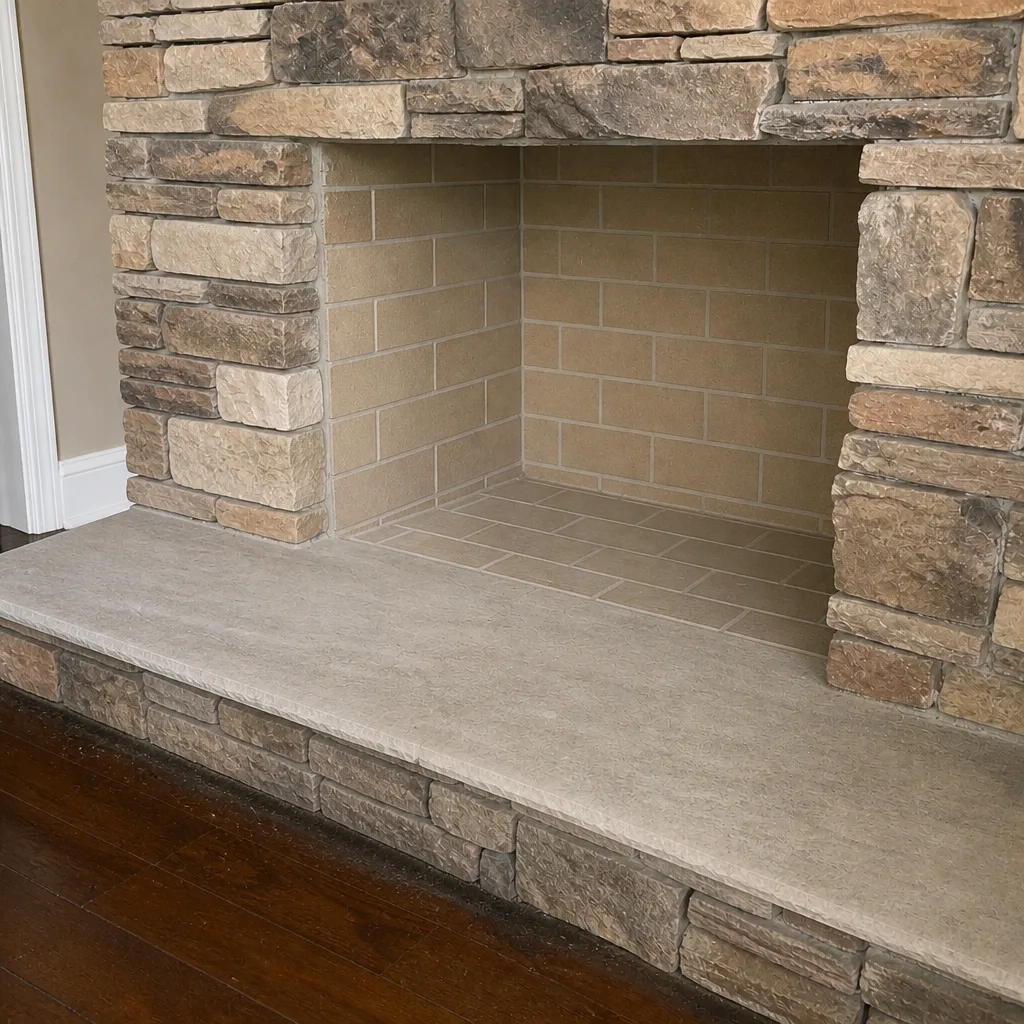
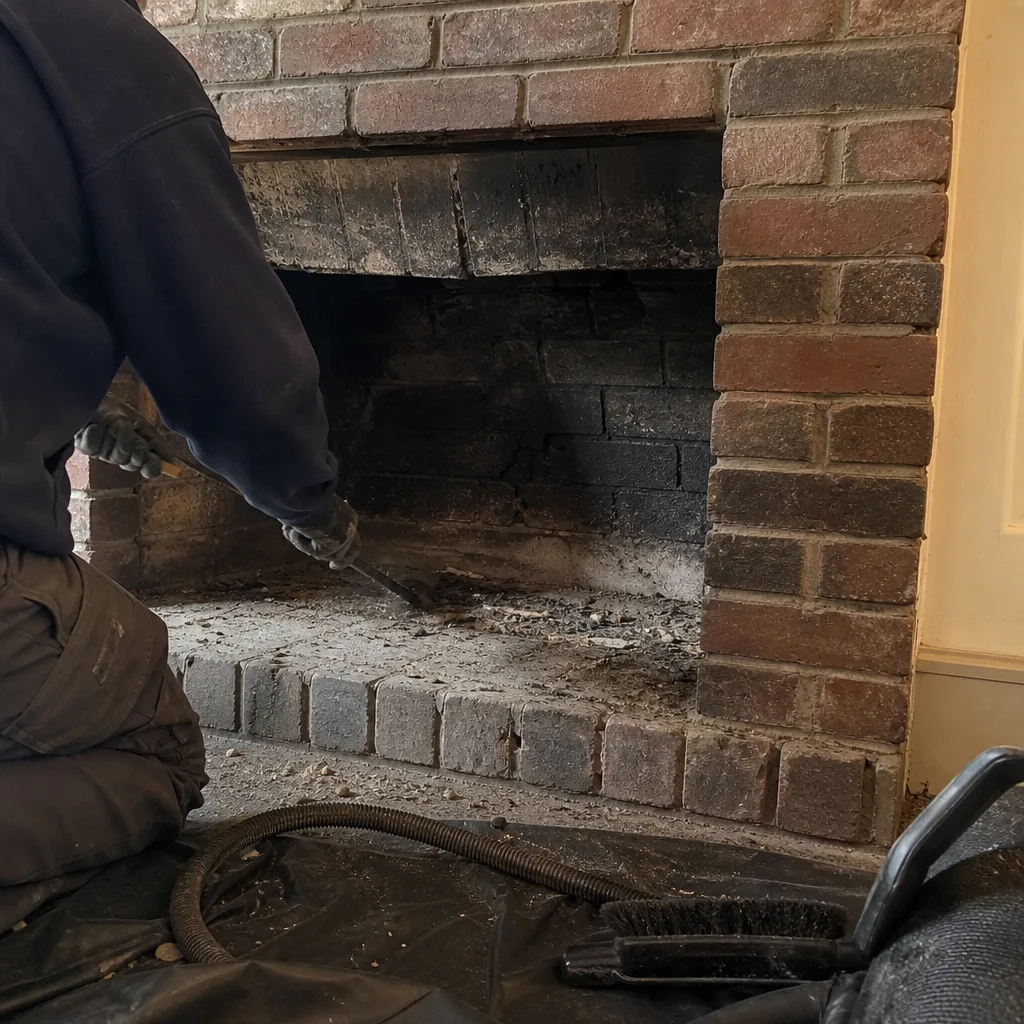
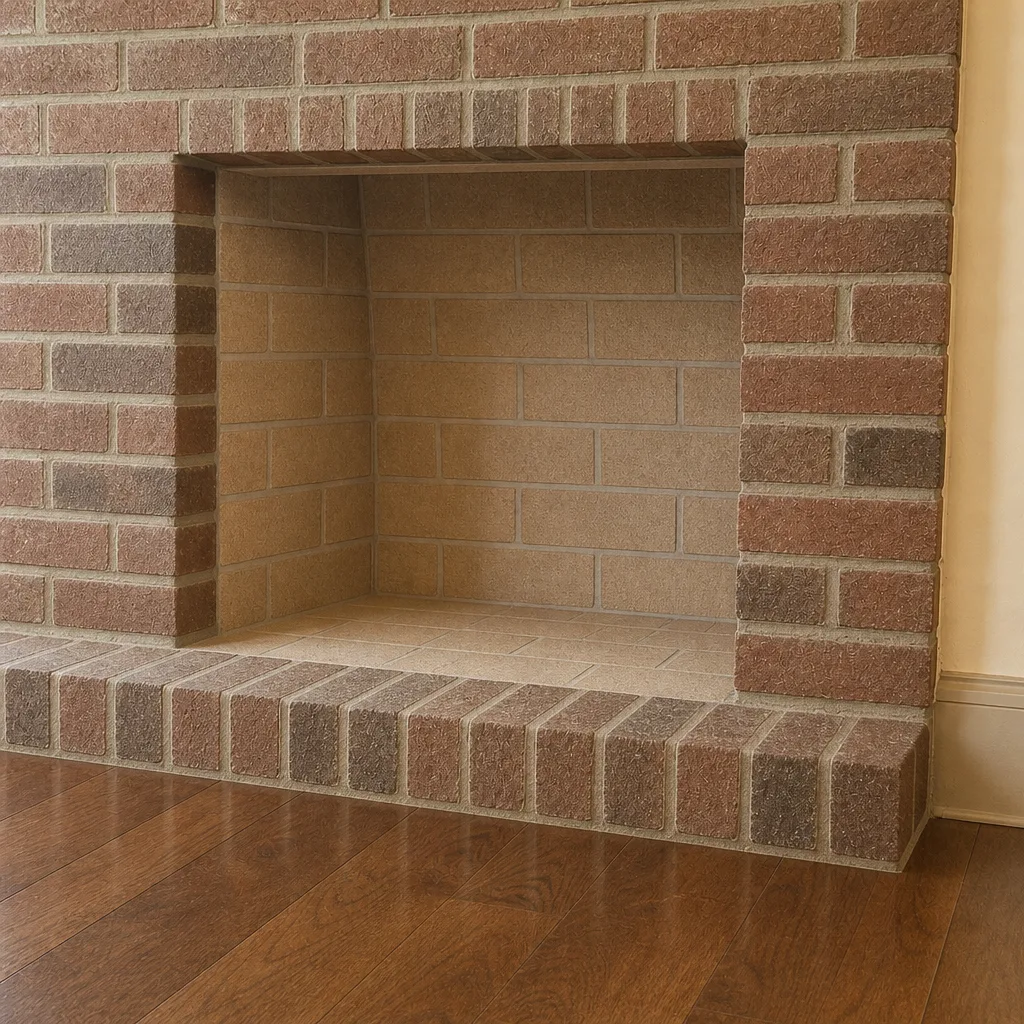
See the difference
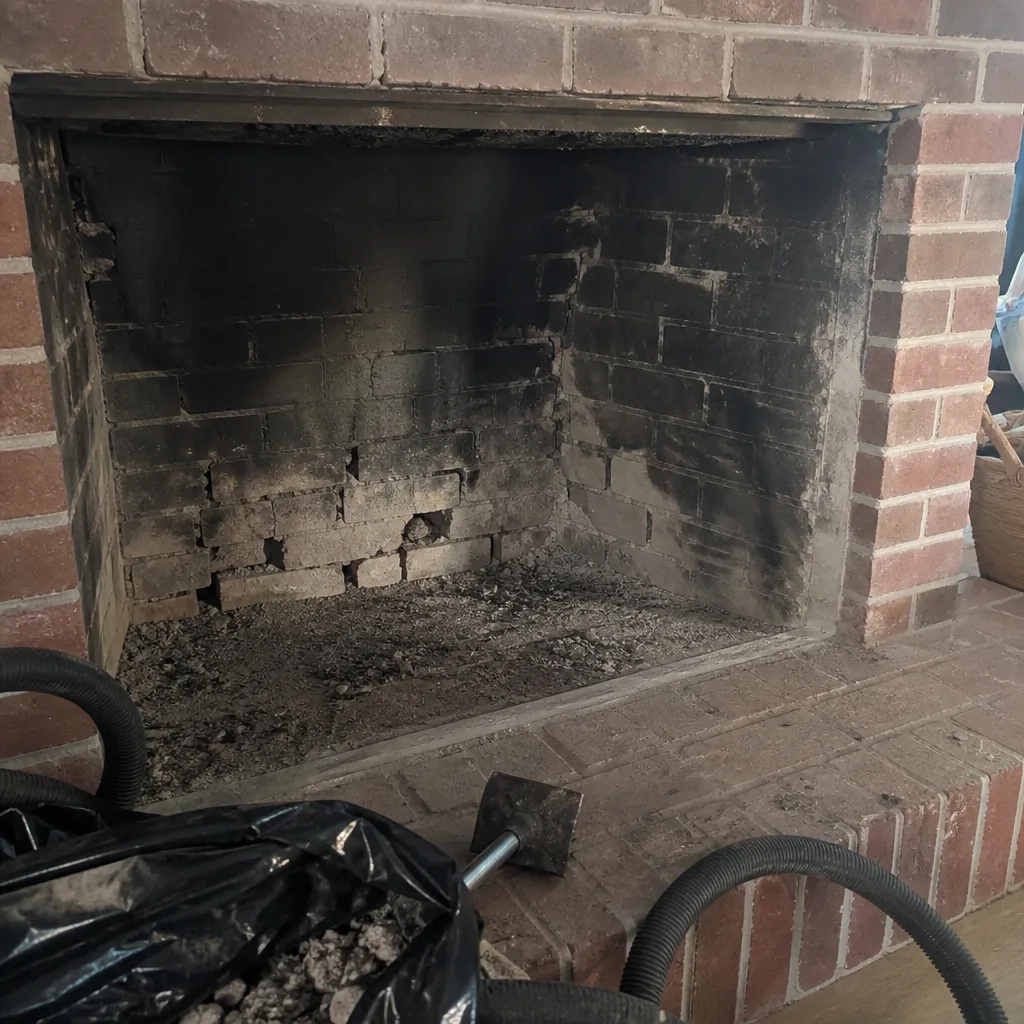 Before
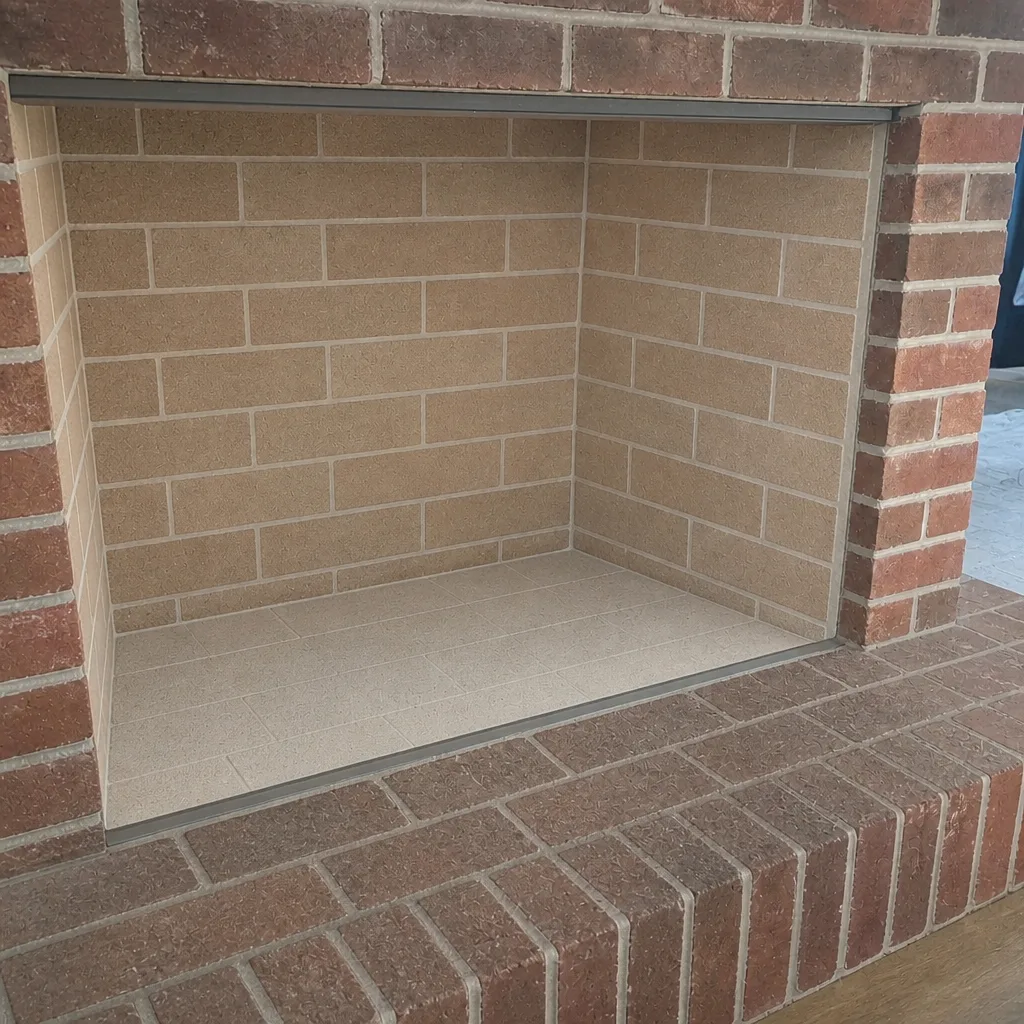 After
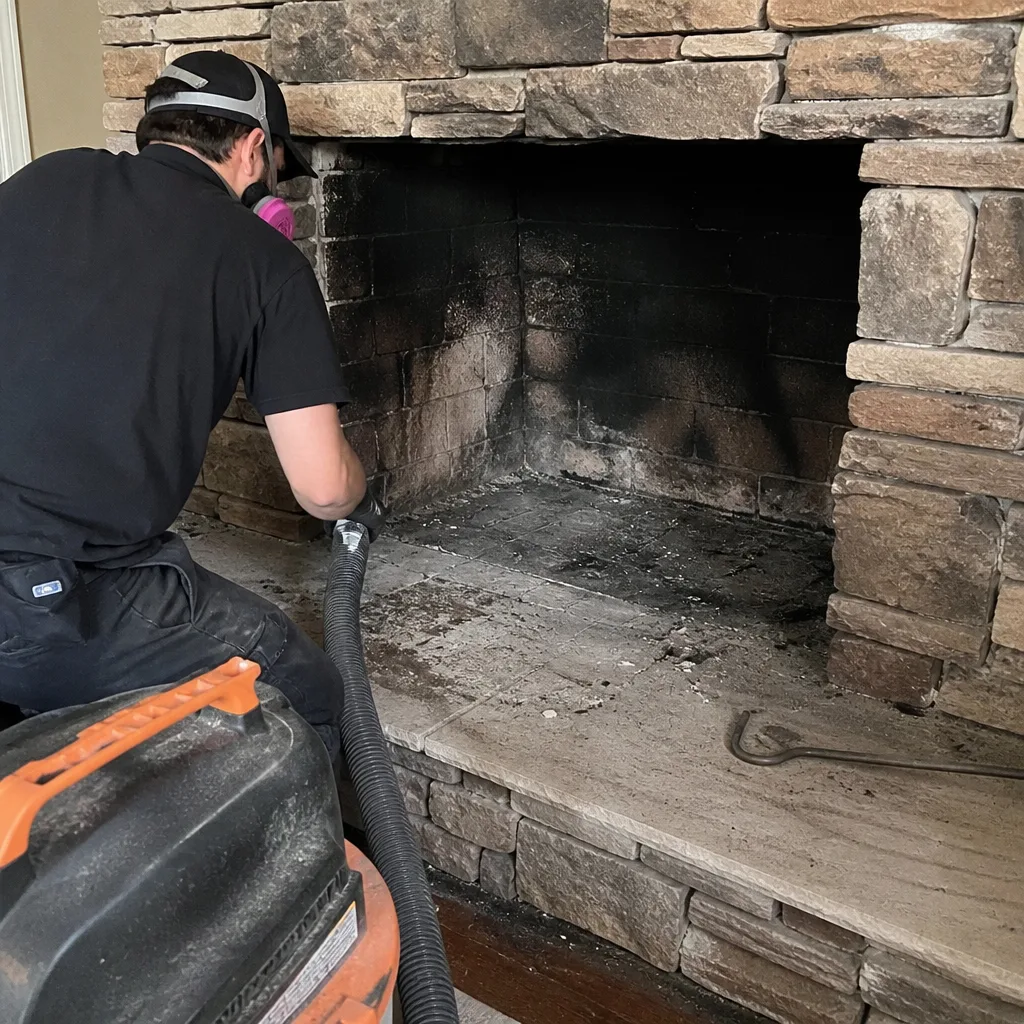 Before
 After
 Before
 After
When to Call a Professional
Call a professional if you see any stop-use finding on this list, if you smell something from the chimney or the appliance that you can’t identify, or if it’s simply been a while since the last sweep. Call us too if you’ve just bought a High Point home and don’t know the chimney’s history. A first inspection establishes a baseline, which makes every future inspection more useful. If your sign is exterior efflorescence or a rusted cap but everything inside looks fine, you can schedule the inspection soon rather than stopping use today. Either way, an inspection with a camera and a photo report tells you what’s actually there, and you’ll see the photos yourself before any repair gets recommended.
Chimney Sweep High Point offers free estimates in High Point, and we handle the whole scope: sweeping, liner work with DuraFlex or HeatShield, structural repairs, and dryer vent cleaning. Call (877) 798-3391. We answer 24/7. Fast dispatch from 7am to 7pm, Sunday through Friday.
Frequently Asked Questions
Look for a visible creosote layer in the firebox, an acrid smell in summer, smoke that rolls into the room, or dark streaking on the exterior below the cap. If any of those show up, the chimney is due for a cleaning. A camera inspection tells you how much buildup is actually there, and it’s included with every sweep. Call (877) 798-3391 for an exact quote – estimates are free.
White staining, called efflorescence, means moisture is moving through the masonry and leaving mineral salts behind. It’s often the earliest visible sign of a moisture problem in the flue, and it usually traces back to a failing cap, crown, or flashing. It’s not cosmetic; it means water is getting into the chimney. It should be inspected before the masonry reaches the spalling stage.
A musty smell means moisture, often with some mold or mildew growth in the flue or chase. The smell itself isn’t the danger; the water source is, because the same moisture that feeds mold can rust metal components and degrade masonry. It’s a schedule-soon finding. If you also see rust through the firebox or water stains on the ceiling, treat it as a stop-use finding and call. Call (877) 798-3391 for an exact quote – estimates are free.
Stop using the fireplace, open the damper fully, and get the flue checked before your next fire. Smoke in the room is a draft or blockage problem, and the most common causes are a partially blocked flue, an undersized flue for the firebox, or a house that’s too tight for the chimney to pull air. None of them fix themselves with a hotter fire.
Most wood-burning fireplaces should be swept once a year, and more often if you see heavy buildup, burn a lot of wood, or notice an acrid smell. High Point’s humid summers mean moisture sits in flues longer, which accelerates the rust and deglazing process, so an annual camera inspection is a good habit even in years when you’ve burned less. Call (877) 798-3391 for an exact quote – estimates are free.
No, and we don’t recommend it. The hazards here are real: roof falls, creosote exposure, and working blind inside a flue where a missed hotspot becomes a chimney fire the next time you light a fire. What you can do safely is the exterior and cold-firebox check in this guide. Any work inside the flue or on the roof should be handled by a trained technician. Call (877) 798-3391 for an exact quote – estimates are free.
Yes. Lint buildup inside a dryer vent is a genuine fire risk, and it accumulates steadily in a vent most homeowners never look inside. A dedicated dryer vent cleaning is the right call, and it can go on the same visit as your chimney sweep. If you’re in High Point, scheduling them together means one inspection window instead of two.
Not necessarily. Dark streaking usually means heavy creosote or soot buildup that has overflowed the flue top, and that often only requires a thorough sweep. A liner is only needed when the flue interior is damaged, cracked, or failing to contain heat. A camera inspection tells you which one you’re dealing with before anyone recommends a liner. If a liner does turn out to be needed, we install DuraFlex systems, and HeatShield resurfacing can restore a flue without a full reliner replacement in some cases.
The Bottom Line
Chimney problems announce themselves early, but only if you’re looking in the right places. Start with the cold firebox and the ceiling around the chase. Walk the exterior masonry base, then look up at the roofline. Watch your first fire of the season for smoke, draft failure, and roaring sounds. Sniff for musty, acrid, and animal odors, especially in summer. Split what you find into the stop-use list and the schedule-soon list, and don’t wait for the smell to arrive before you act. A camera inspection with a photo report is the one tool that turns all of this into a clear answer, and every sweep includes one. Call (877) 798-3391. We answer 24/7. Fast dispatch from 7am to 7pm, Sunday through Friday.
Written by the team at Chimney Sweep High Point.