
Last updated November 14, 2026
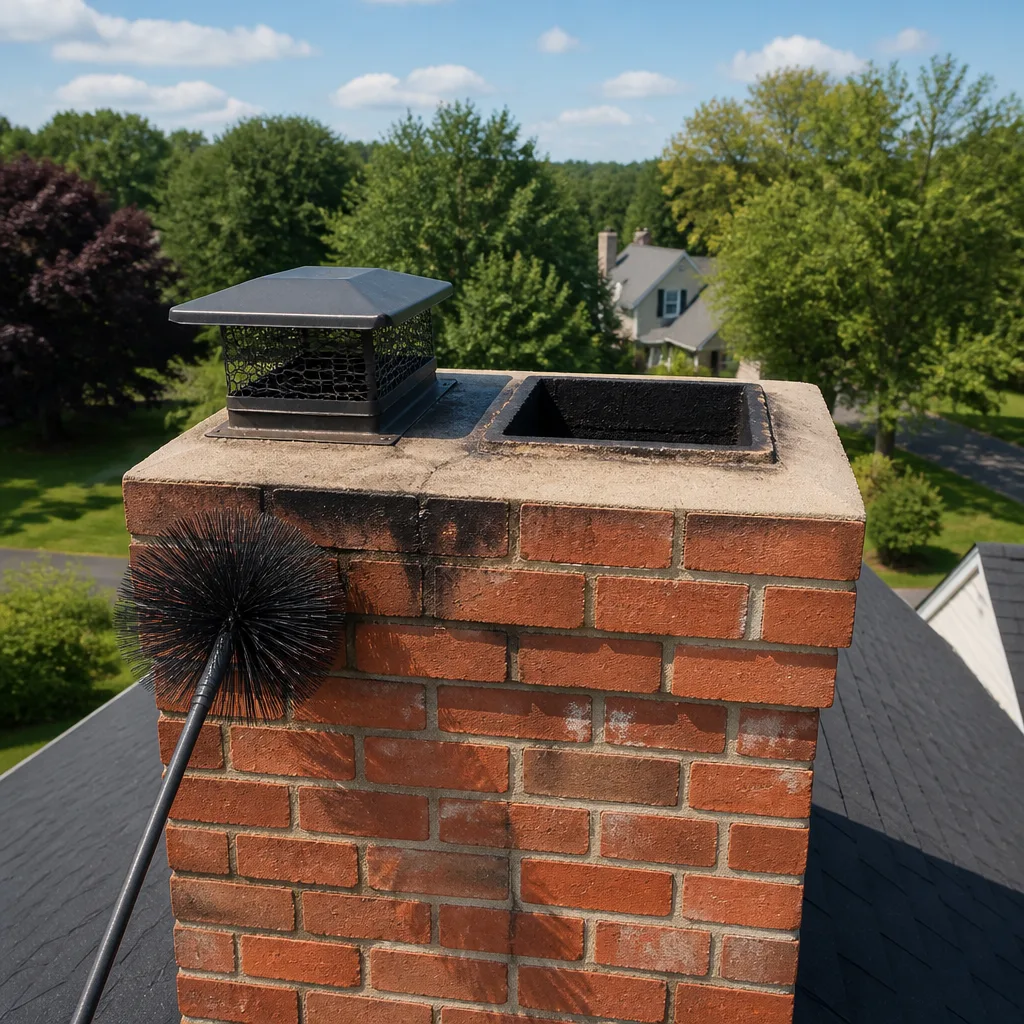 Sweep & inspection
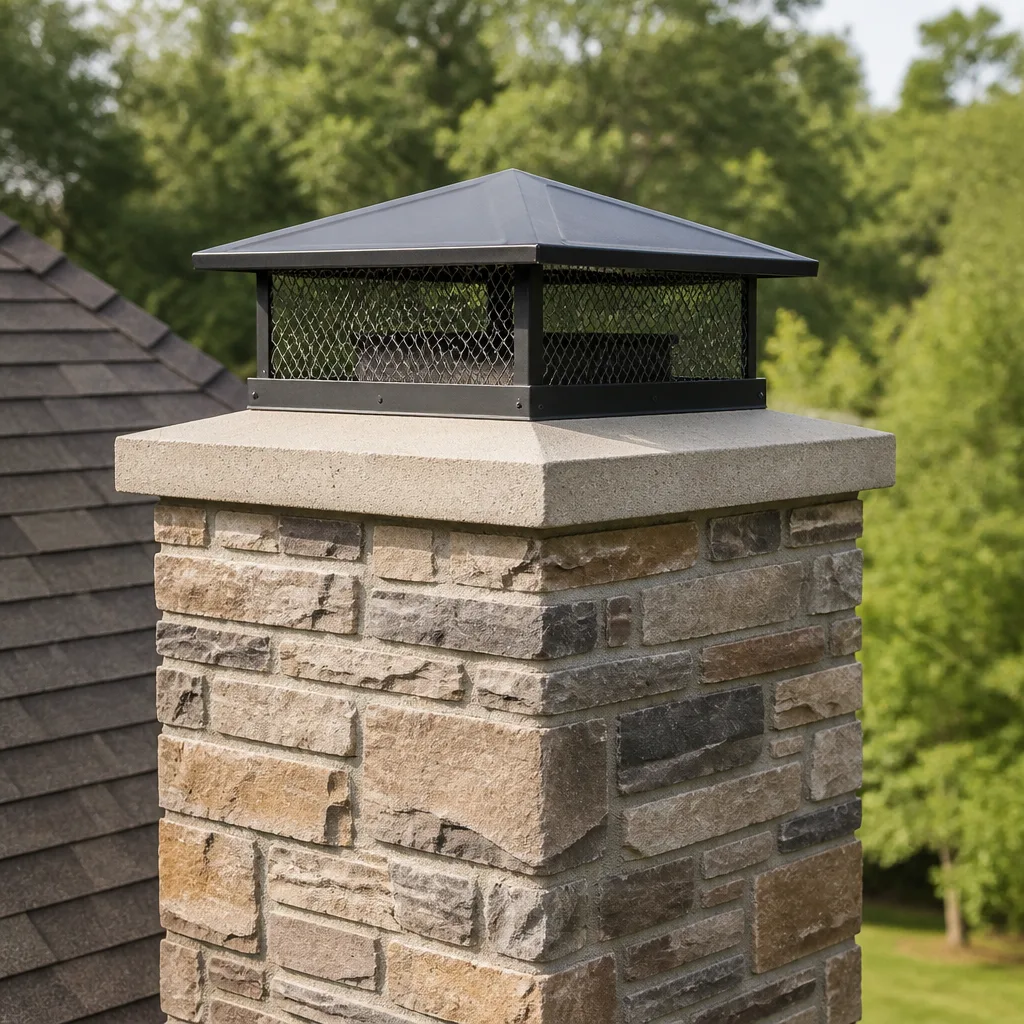 Caps & crowns
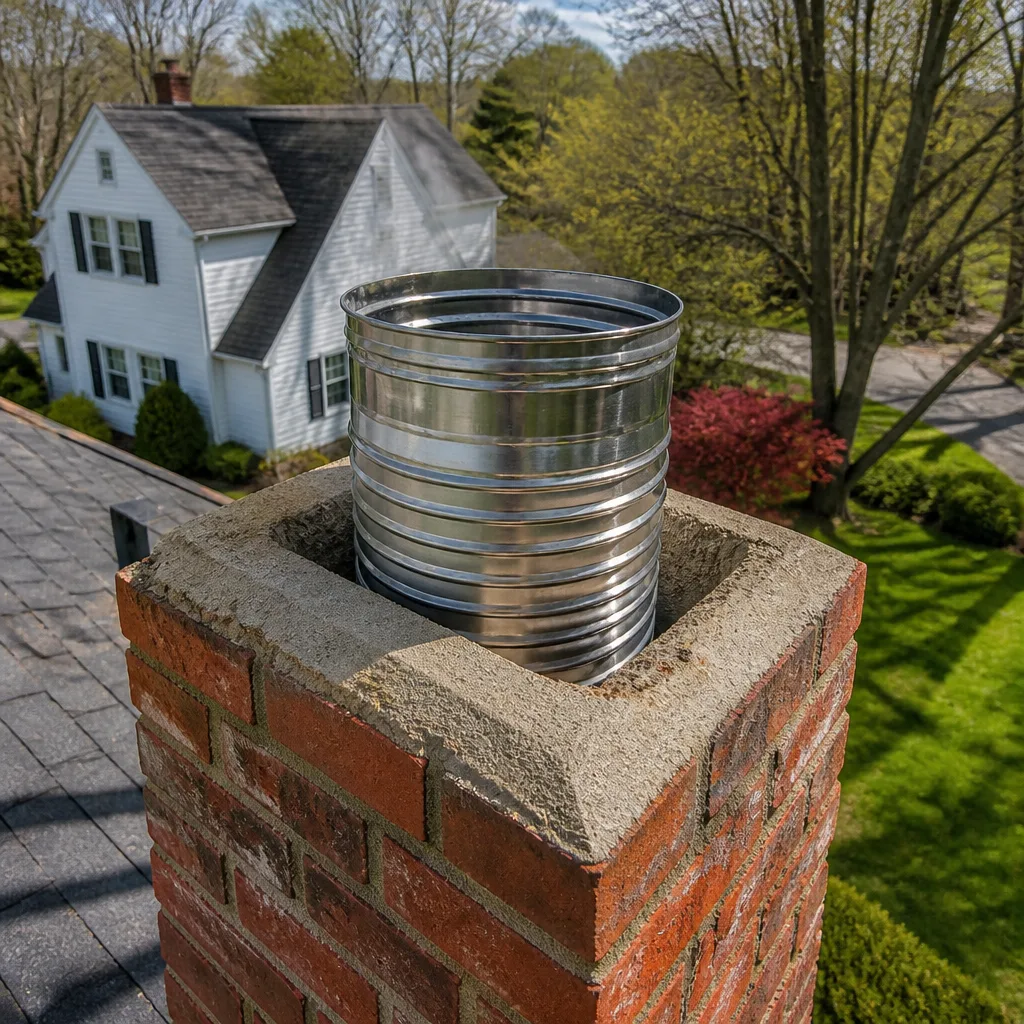 Flue relining
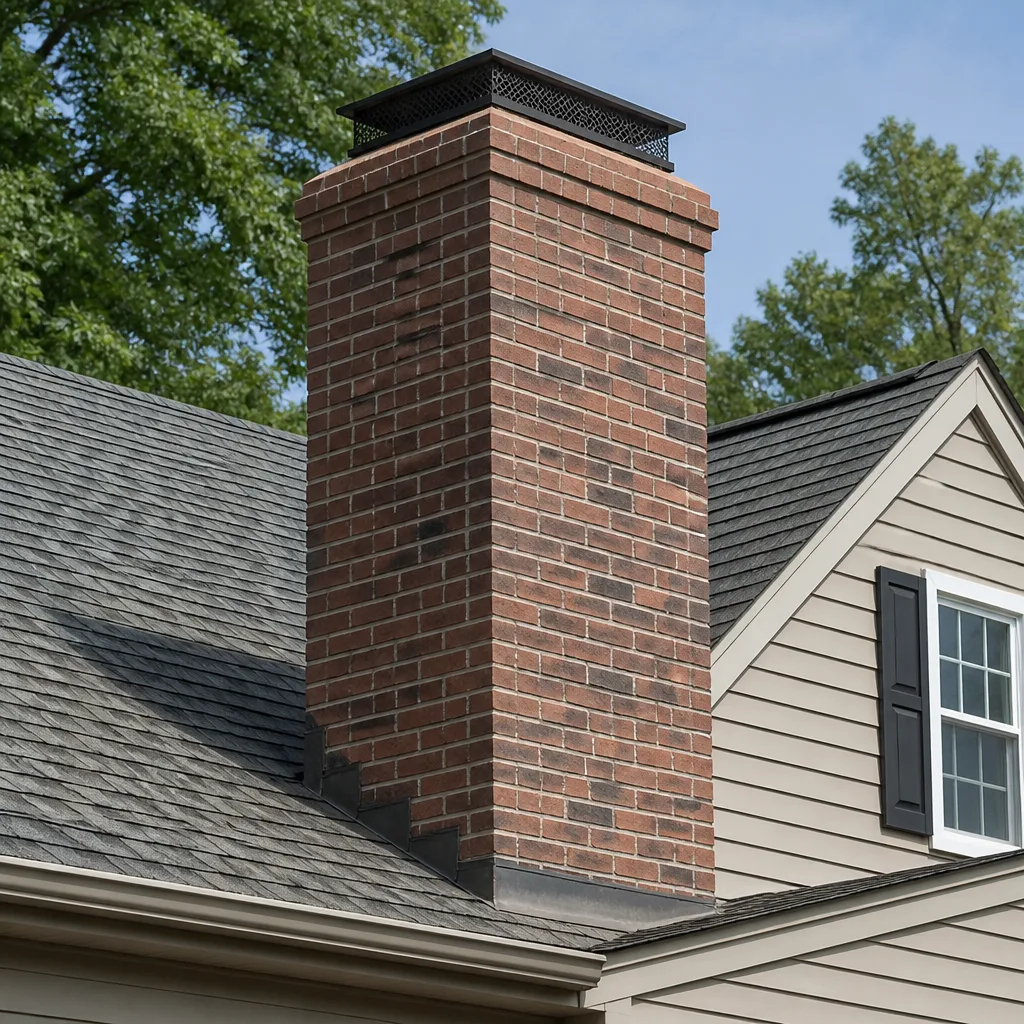 Masonry repair
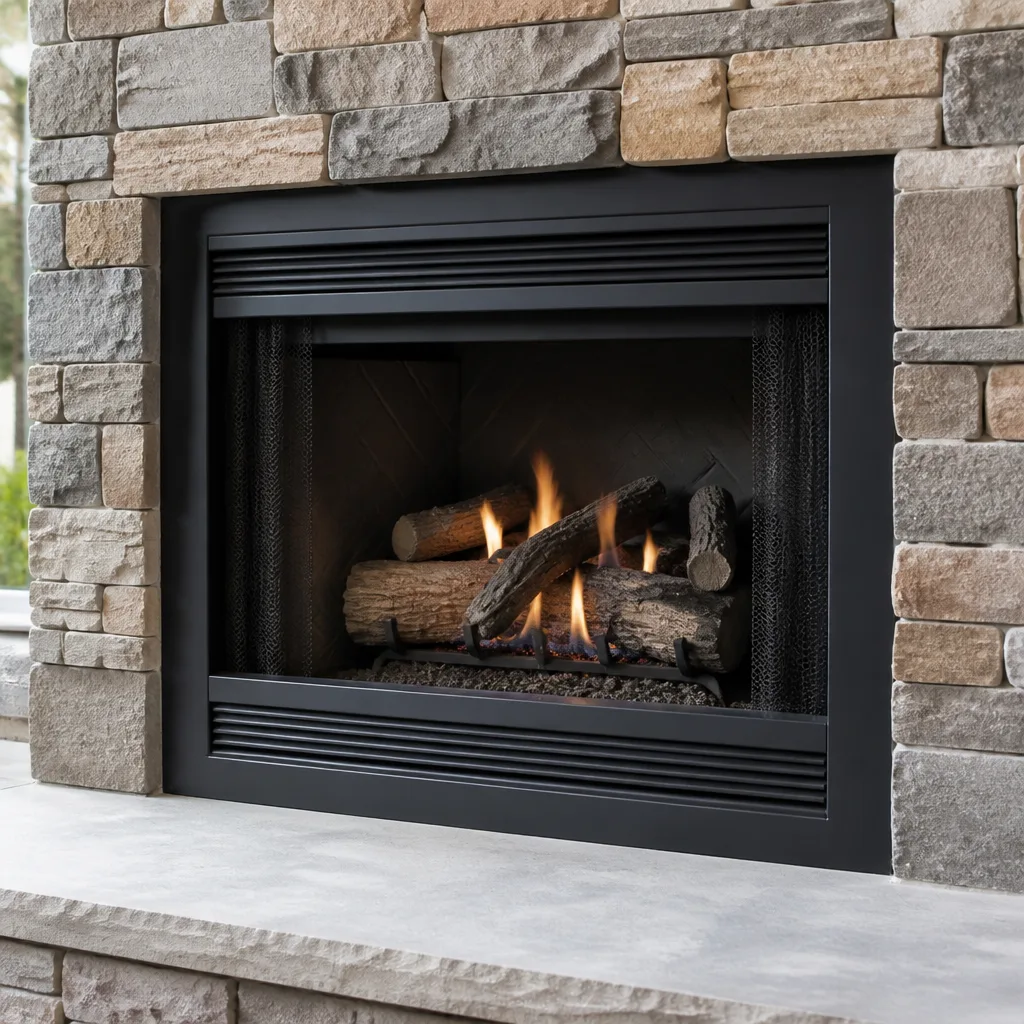 Gas fireplace service
Level 1 sweep and inspection to the NFPA 211 annual standard - flue, crown, cap, and flashing checked and photographed
Chimney sweep logs do not sweep chimneys. They loosen some creosote - which then falls where a brush and vacuum still have to collect it.
Chimney Cleaning Permits, Codes & Inspections in High Point, NC: What You Need to Know
Here’s the part that surprises most homeowners: the cleaning itself needs no permit at all. Sweeping a flue is maintenance, and nobody from the city inspects a brush going up a chimney. The permit question shows up later, when the sweep finds cracked tiles or a failing liner and the fix involves relining or structural repair. In Guilford County, a chimney liner installation completed without a permit may not be recognized by your insurer as a code-compliant repair, even if the technician did the work correctly. That gap matters at claim time and at closing time. This guide walks through what’s actually regulated in High Point, which inspections the code requires rather than recommends, and how a house built before 1990 fits into rules written decades later.
Quick Answer
Chimney cleaning in High Point, NC does not require a permit, but relining, structural repair, and any work that alters the flue system generally do fall under North Carolina residential code and local permitting. A Level 2 inspection is not optional in several situations: a real estate transaction, a change in fuel type, or after a chimney fire or other event that may have damaged the flue. Unpermitted repair work can complicate insurance claims and must be disclosed when you sell.
Styles & brands we work with
- Sweep & inspection
- Caps & crowns
- Flue relining
- Masonry repair
- Gas fireplace service
Table of Contents
- Cleaning vs. Repair: Where the Permit Line Actually Falls
- Which Codes and Standards Apply to Chimney Work in North Carolina
- When a Level 2 Inspection Is Required, Not Just Recommended
- How Unpermitted Chimney Work Affects Insurance and Disclosure
- What Code Compliant Means for Older High Point Homes
- How the Permit Process Works for Chimney Repair in High Point
- What an Inspection Actually Covers
Cleaning vs. Repair: Where the Permit Line Actually Falls
The line is simple to state and easy to blur in practice. Routine sweeping is maintenance. Repair, relining, and anything that changes how the flue is constructed is construction work, and construction work is what permits are for.
A standard chimney sweep in High Point covers brushing the flue, removing creosote, checking the firebox, damper, cap, and crown, and running a camera when it’s needed. No permit. Nothing gets filed with the city. That’s true for wood-burning fireplaces and for the venting on a gas appliance.
Then the sweep finds something. A cracked flue tile. A liner that’s separated at a joint. A crown that’s spalling and letting water in. Now you’re into one of these categories:
- Relining: installing a new flue liner, whether a flexible stainless system like DuraFlex or a resurfacing product like HeatShield. This is a structural change to the flue and typically requires a permit.
- Masonry repair: rebuilding a chimney crown, repointing brick, replacing damaged flue tiles. Permit territory in most cases.
- Appliance or fuel changes: swapping a wood insert for a gas appliance, or adding a new appliance to an existing flue. This changes the venting and usually triggers both a permit and a required inspection.
- Cap and component replacement: a new cap or top-sealing damper from Gelco or Olympia Chimney is generally not a permitted activity on its own, but it should still be installed to the manufacturer’s spec.
The trap is when a technician offers to “take care of the liner while we’re here” without pulling a permit. It’s cheaper in the short run and a problem later. If the work is never inspected, there is no record that it was done to code.
Which Codes and Standards Apply to Chimney Work in North Carolina
North Carolina adopts the International Residential Code with state amendments, and that code leans on NFPA 211, the Standard for Chimneys, Fireplaces, Vents, and Solid Fuel-Burning Appliances, for the technical details. Local inspectors in High Point reference NFPA 211 when they evaluate whether a flue is lined correctly, whether clearances to combustibles are met, and whether a venting system is appropriate for the appliance attached to it.
What that means in plain terms:
- The flue has to be lined for its full length. An unlined brick chimney serving a wood appliance doesn’t pass, no matter how well the chimney draws.
- Clearances to wood framing and other combustibles are specified and inspected. Older High Point homes sometimes have framing closer than current standards allow.
- The liner material and sizing must match the appliance. An oversized flue on a modern appliance can vent poorly and cool too fast, which drives creosote buildup.
- Chimneys and vents must be inspected after certain events, which is where the Level 1, 2, and 3 inspection framework comes in.
Inspectors in Guilford County generally look for the same things: a continuous liner, proper termination height above the roof, a sound crown, and a cap that keeps water and animals out. Product choice matters here. A reline using a system from Olympia Chimney or Copperfield gives an inspector a known, listed product to verify against its manufacturer instructions. A liner of unknown origin is harder to sign off on, and that’s before anyone talks about insurance.
When a Level 2 Inspection Is Required, Not Just Recommended
A Level 1 inspection is what comes with an annual sweep: a visual check of accessible components with the usual tools. A Level 2 goes further. It includes a camera inspection of the flue interior and access to areas that a basic check can’t see, including attics, crawl spaces, and any concealed portions of the venting system. NFPA 211 requires a Level 2 in specific circumstances. These aren’t upsells; they’re the standard.
A Level 2 inspection is required when:
- You’re buying or selling a home. A real estate transaction is one of the clearest triggers. A buyer’s lender or insurer may ask for it, and a seller needs to know what they’re disclosing.
- You change the fuel type. Switching from wood to gas, or adding a new appliance to an existing flue, means the venting needs to be evaluated against a different set of requirements.
- There has been a chimney fire or another event that may have damaged the flue. Even a small fire can crack tiles or warp a liner in ways you can’t see from the firebox.
- You’ve had a change to the system. A new liner, a new appliance, or a repair that altered the flue should be followed by an inspection.
- You’ve noticed a change in how the chimney performs. New smoke spillage, a different draft, or creosote falling into the firebox all warrant a closer look.
In our experience, the second and third items are the ones High Point homeowners skip. A gas insert gets installed over a weekend and the old flue never gets looked at. A chimney fire two winters ago gets forgotten until spring, when the flue is cracked and nobody connected the dots. A Level 2 with a camera catches both.
How Unpermitted Chimney Work Affects Insurance and Disclosure
Here’s the part that has nothing to do with whether the work was done well. An insurer pays a claim based on whether the work was done legally, and a repair done without a permit can be treated as non-compliant even if the liner is sound. A claim from a chimney fire on a flue that was relined without a permit is an argument you don’t want to have with your carrier.
Three things tend to happen:
- Claims get scrutinized. An adjuster can ask for proof the repair was permitted and inspected, especially if the loss traces back to the repaired section. Without that paper trail, the claim can be denied or reduced.
- Selling gets complicated. North Carolina’s residential property disclosure requirements mean a seller must disclose known defects and unpermitted work. An unpermitted chimney repair can become a negotiating item, a repair credit, or a stalled closing.
- Future work gets more expensive. If a buyer’s inspector flags the work, the fix later may mean removing and redoing what was already installed, plus the permit and inspection that should have happened the first time.
The counterintuitive part is that the permit protects the contractor as much as the homeowner. A permit means an inspector with no stake in the job looked at the liner and signed off. That signature is what your insurer looks at, and it’s what you hand over at closing. Any high-ticket recommendation should come with camera footage showing why, so you’re not paying for a repair on someone’s word alone. If a technician tells you the flue needs a reline and won’t show you the cracked tile on camera, that’s your signal to get a second opinion.
What Code Compliant Means for Older High Point Homes
A lot of the housing stock in High Point predates the liner requirements that apply today. That doesn’t make every old chimney unsafe. It does mean the chimney needs to be evaluated on its own terms, and a few problems show up over and over.
Masonry chimneys built before current standards often have:
- No liner at all, just bare brick flue walls. Creosote and moisture attack the mortar joints directly, and the flue can leak smoke into the house or the framing cavity behind it.
- Clay tile liners with cracked or offset joints. Once the tiles separate, the flue isn’t continuous any more, and hot gases can reach the surrounding masonry.
- Crowns that drain toward the flue instead of away from it. A bad crown lets water into the chimney, which freezes and thaws through Piedmont winters and works the masonry apart.
- Clearances that don’t match current code. Framing close to the chimney is common in older homes and needs to be identified during an inspection, not discovered later.
The good news is that the fix doesn’t always require a full tear-out. HeatShield resurfacing can be applied to a sound masonry flue to restore the liner surface without full reliner replacement. When the flue is too far gone for resurfacing, a flexible stainless liner from DuraFlex or a comparable trade-grade system is the usual answer. What “code compliant” means in practice is this: the flue is continuous, properly sized for the appliance, clear of combustibles, capped, and documented. That documentation is the permit and inspection record, and it’s the part that holds up at resale.
How the Permit Process Works for Chimney Repair in High Point
The permit itself is not complicated, but the order of operations matters. Here’s how it usually goes for a chimney repair that requires one:
- The sweep or inspection documents the problem. Camera footage, photos, and a written scope. This is what the permit application is based on.
- The contractor pulls the permit before starting work. In most cases the licensed contractor, not the homeowner, handles this. You should confirm who’s pulling it before anyone shows up with materials.
- The work is performed and inspected. Some repairs require an inspection at a stage before the flue is closed up, and some require a final inspection after. Both need to happen.
- The inspection record is handed to the homeowner. Keep it. It belongs with the house paperwork along with the appliance manual and the sweep reports.
If a contractor tells you a permit isn’t needed for a reline, ask why in writing. Sometimes there’s a legitimate reason based on the scope of the job, and sometimes the contractor doesn’t want the inspection. The difference matters to your insurer, not just to you. Cities vary on which work requires a permit and what the fees are, so the safest move is a call to High Point’s building department to confirm the current requirement for your specific job.
What an Inspection Actually Covers
People tend to picture an inspection as a guy shining a flashlight up the flue. A proper inspection is more structured than that, and the difference is what makes the report useful when you need it for an insurer, a buyer, or a repair decision.
Here’s what a Level 2 inspection covers in a typical High Point home:
- The firebox and damper. Brick, mortar joints, damper operation, and signs of overheating.
- The flue interior. Camera scan of the full length, looking for cracked tiles, gaps, separated liner joints, excessive creosote, and obstructions.
- The chimney exterior. Crown condition, brick and mortar, flashing at the roofline, and the cap. A cap that’s missing or rusted out is one of the most common findings.
- The venting path. For gas appliances, the connector, draft hood, and termination. For wood, the connector pipe and any thimble through a wall.
- Clearances and accessible concealed spaces. Attic and crawl space access where the venting passes through or near combustible material.
- The appliance connection. Whether the appliance matches the flue it’s vented into, which is a common problem when an insert was added to an old fireplace.
The report should include photos and footage, not just a summary. If you’re going through a home purchase in High Point, ask for the full report rather than the one-line summary the inspector might provide to the realtor. And if a repair is recommended, the footage should show why. The “we need to reline this” conversation is a lot easier when you can see the cracked tile yourself. That’s the standard we hold our own work to, and it’s the standard you should expect from anyone working on your chimney. For a related hazard most homeowners overlook, a dryer vent cleaning check is worth adding to the same visit.
Common Mistakes to Avoid
- Assuming a cleaning is a full inspection. A sweep and a Level 2 inspection are not the same thing. If you’re buying or selling, or you’ve had a fire, ask for the inspection specifically.
- Letting a reline happen without a permit. It’s the most common way homeowners end up with a repair their insurer won’t recognize. Confirm the permit is being pulled before the work starts.
- Treating a gas appliance as “no inspection needed.” Gas fireplaces and inserts have their own venting requirements, and a change in fuel type is one of the triggers for a Level 2.
- Ignoring the crown. Water entering the chimney from a bad crown is the leading cause of masonry deterioration in this part of North Carolina. A $200-level crown repair avoids a much larger one later.
- Skipping the level 2 inspection at purchase. A real estate transaction is the moment to demand one. After closing, it becomes your problem.
- Using a general handyman for liner work. Trade-grade products from Olympia Chimney, Copperfield, Gelco, and Famco are installed to manufacturer spec for a reason: inspectors and insurers check against it.
- Not keeping the paperwork. The permit, inspection record, and sweep reports are part of the house. Put them in the same folder as the survey and the appliance manuals.
See the difference
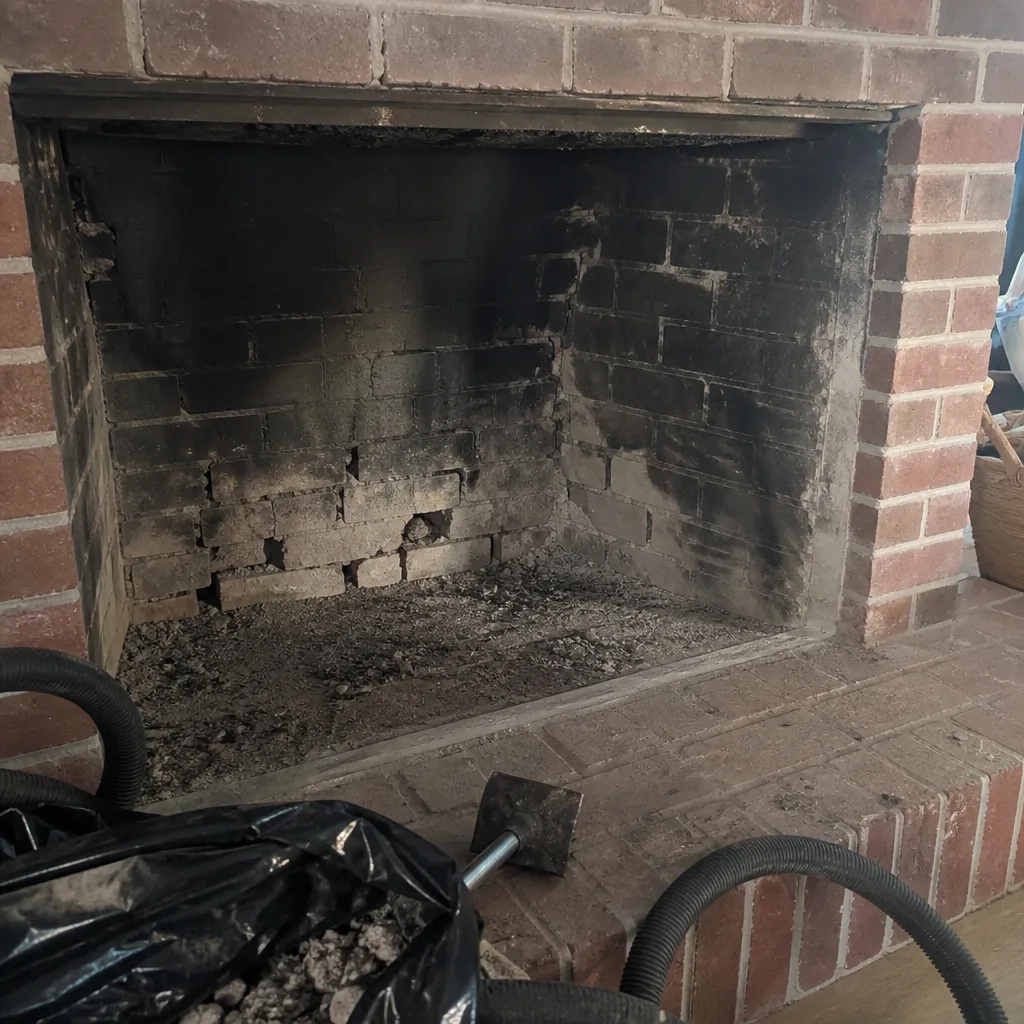 Before
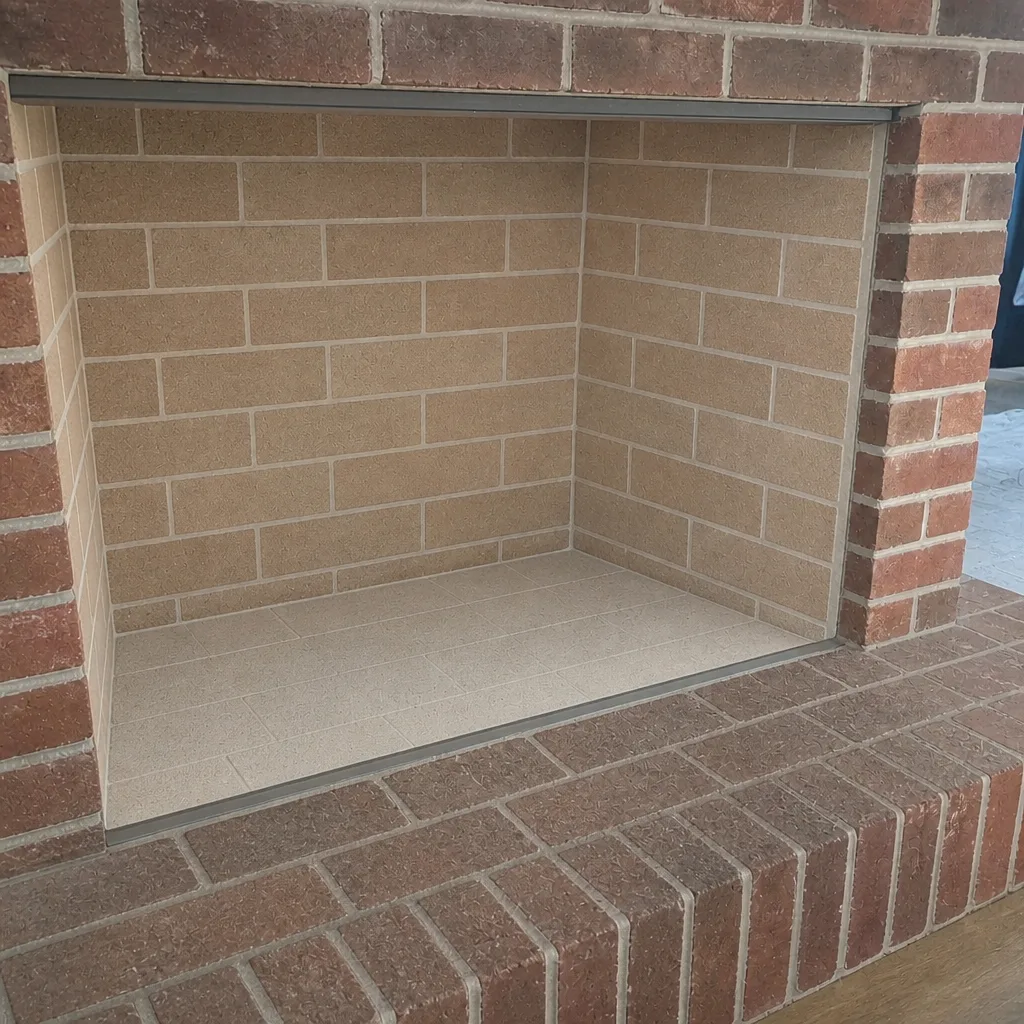 After
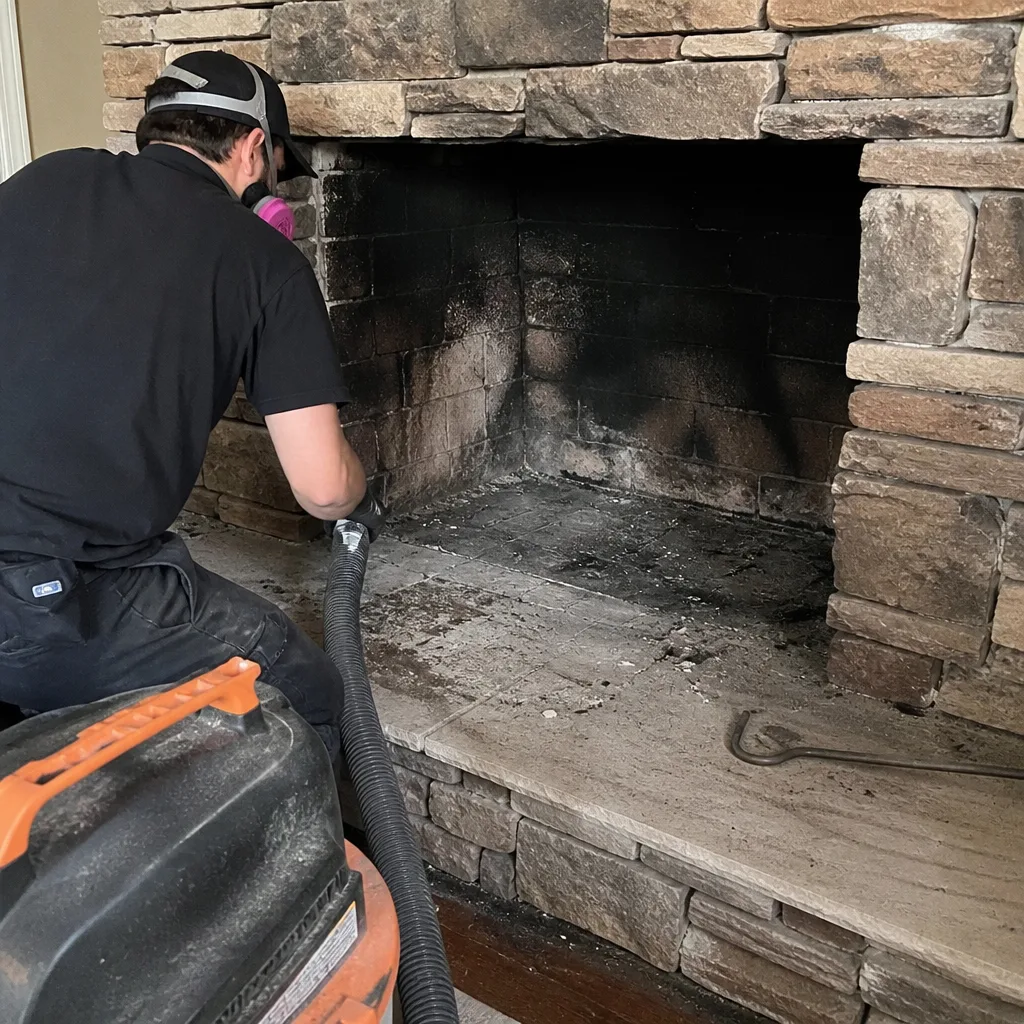 Before
 After
 Before
 After
When to Call a Professional
A chimney repair isn’t a weekend project, and a flue evaluation isn’t something to guess at. Call a qualified chimney technician if you’re completing a home sale in High Point and need a Level 2 inspection, if you’ve changed the fuel type on a fireplace or added an insert, if you know or suspect there’s been a chimney fire, if you’re noticing smoke spilling into the room or draft problems, or if you’ve been told you need a reline and want a camera-based second look. Creosote removal and flue inspection are both routine jobs for a trained technician, and neither should involve climbing a ladder with a flashlight. For more on how we approach the local work, see High Point. Chimney Sweep High Point offers free estimates in High Point – call (877) 798-3391.
Frequently Asked Questions
No. Chimney cleaning in High Point does not require a permit because sweeping is routine maintenance, not construction. The permit question comes up when the cleaning finds something and the fix is a repair or reline, which generally does require one. Call (877) 798-3391 for an exact quote on a sweep, and estimates are free.
In most cases, yes. A reline is a structural change to the flue, and that puts it under North Carolina residential code and local permitting. The exact requirement can vary by scope, so the safest move is to confirm with High Point’s building department before the work starts, and to insist the contractor pull the permit rather than skipping it. Call (877) 798-3391 to talk through what your job involves.
A Level 2 inspection is required by NFPA 211 in several specific situations: a real estate transaction, a change in fuel type or appliance, after a chimney fire or other event that may have damaged the flue, and when a change has been made to the venting system. It’s also the right call when you’ve noticed a change in how the chimney performs. Call (877) 798-3391 to schedule one.
It can be a problem. An insurer may treat unpermitted repair work as non-compliant even if it was done correctly, and that can affect a claim. The permit and inspection record is what proves the work was done to code. If you don’t have that paperwork and you’re concerned about an existing repair, a new inspection with camera documentation is the place to start. Call (877) 798-3391 for an estimate.
It has to meet the code that applies to any work being done on it now, and any new repair has to bring the flue into compliance. Older masonry flues often lack a liner or have cracked tiles, and that triggers a reline or resurfacing with HeatShield. The evaluation is done on your actual flue, not on the age of the house. Call (877) 798-3391 to book an inspection.
A sweep removes creosote and debris. An inspection evaluates the flue and venting against code and reports on what’s found, with photos and camera footage. A cleaning usually includes a Level 1 visual check, while a Level 2 adds a camera inspection and access to concealed spaces. Call (877) 798-3391 to find out which one your situation calls for.
The Bottom Line
The cleaning is the easy part. No permit, no inspection, no paperwork. The part that matters is what happens after the sweep finds a problem. A repair or reline pulled with a permit and signed off by an inspector protects you at claim time and at closing time. A repair done without one is a question mark on your house. If you’re buying or selling in High Point, changing a fuel type, or recovering from a chimney fire, get the Level 2 inspection. If you’ve been told you need a reline, ask to see the camera footage and confirm the permit. Trade-grade products and a documented process are what make a repair hold up.
Call (877) 798-3391 for a free estimate. We answer 24/7. Fast dispatch from 7am to 7pm, Sunday through Friday. Whether you need a routine Chimney Sweep High Point visit, a camera inspection before a repair, or a straight answer about whether a reline is really necessary, we’ll show you what we found and tell you plainly when the work can safely wait.
Written by the team at Chimney Sweep High Point.