
Last updated November 14, 2026
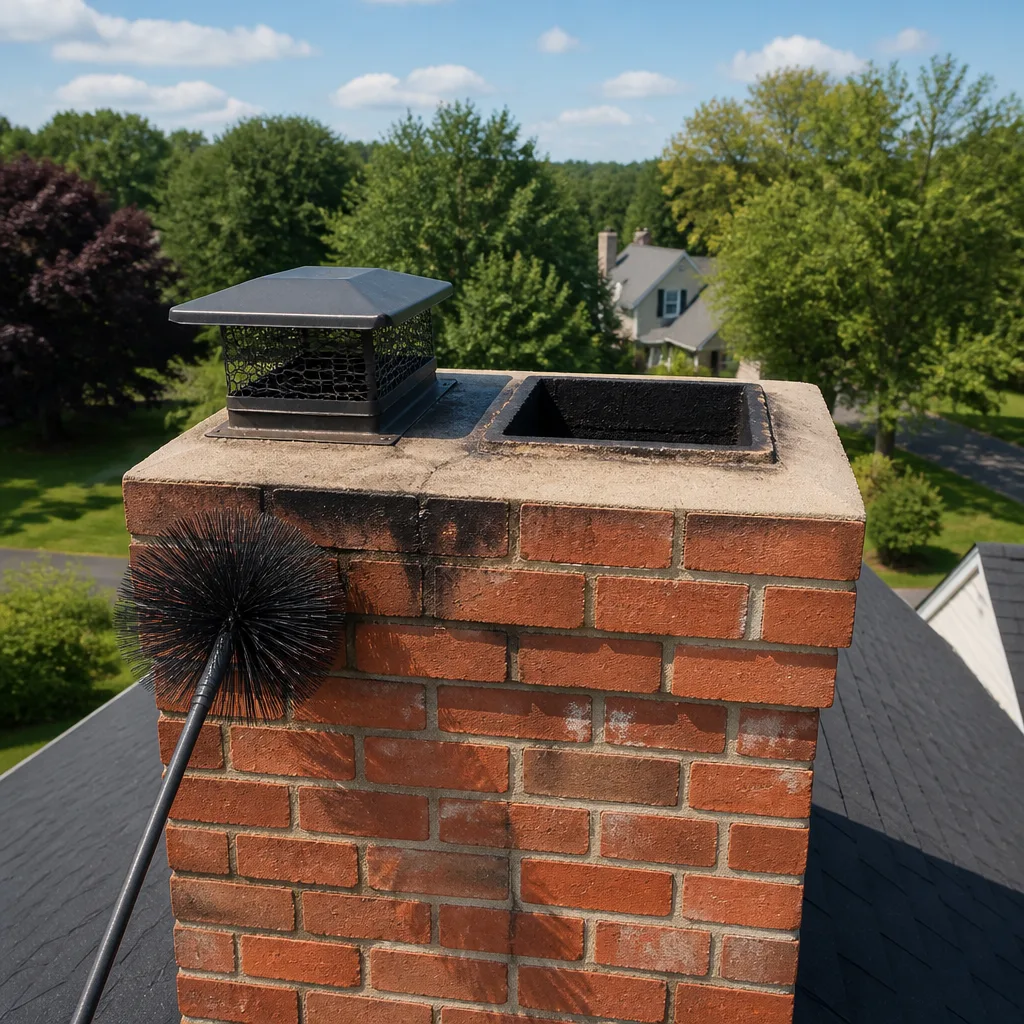 Sweep & inspection
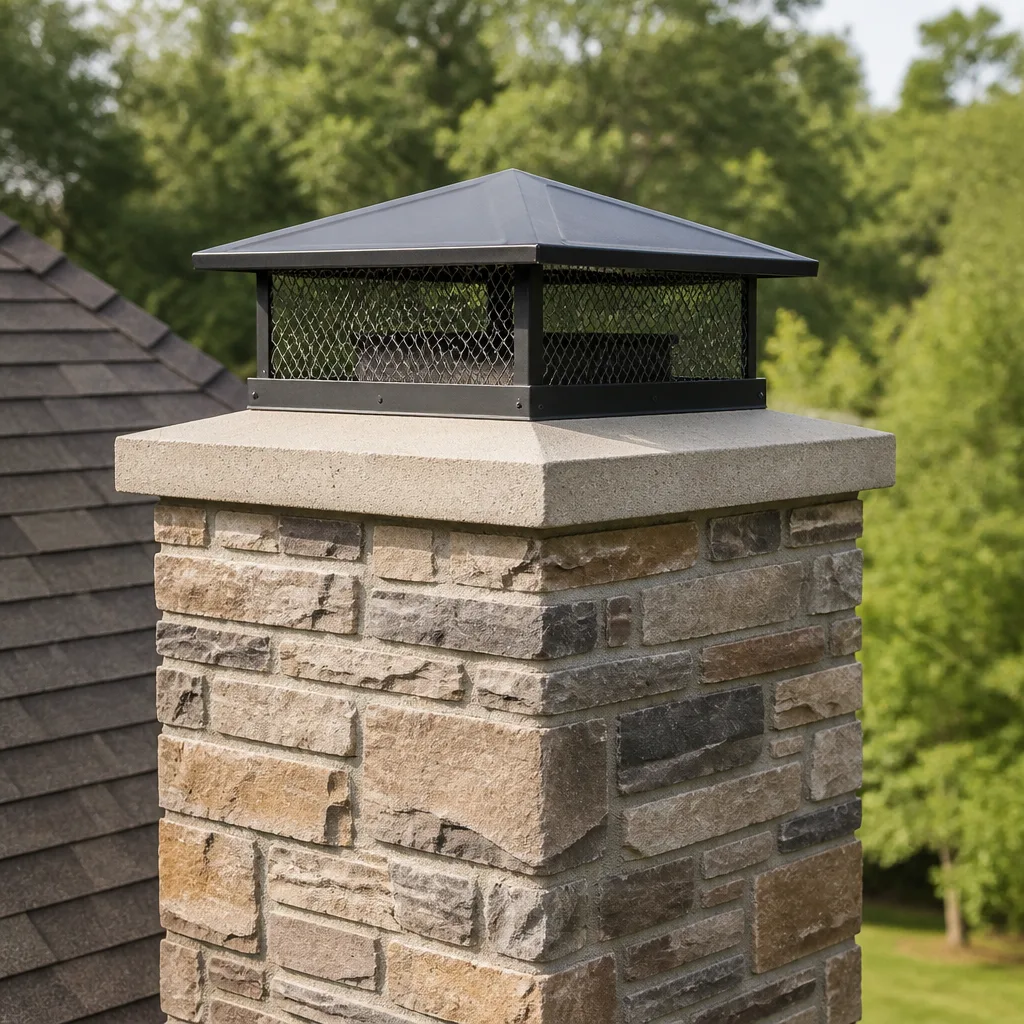 Caps & crowns
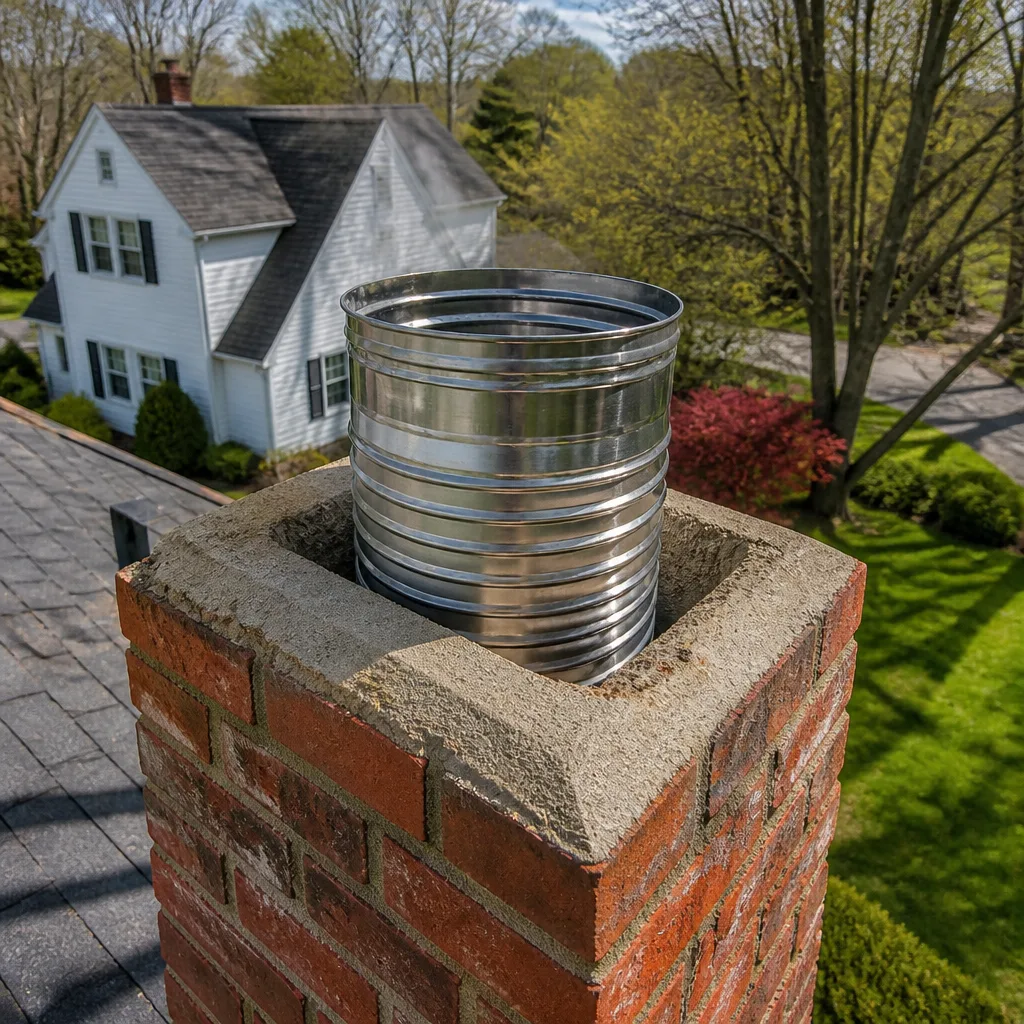 Flue relining
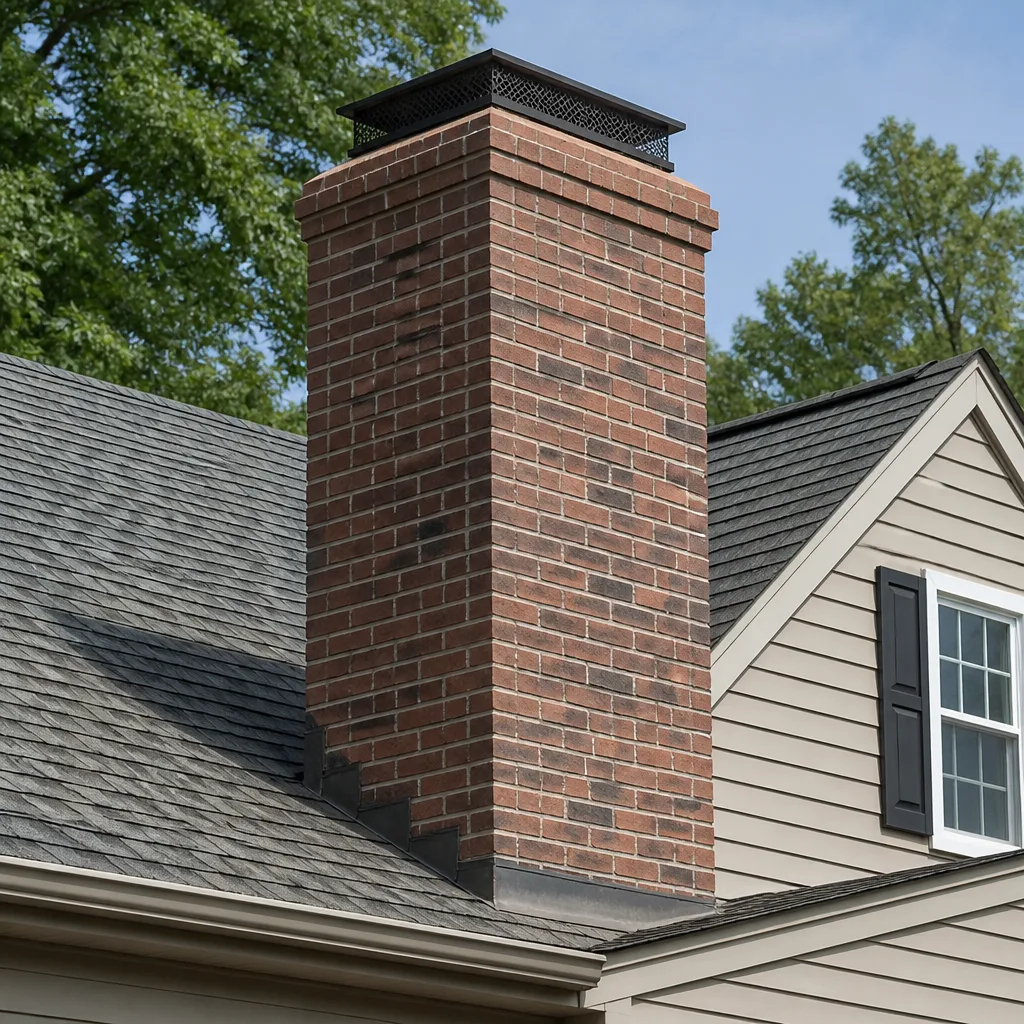 Masonry repair
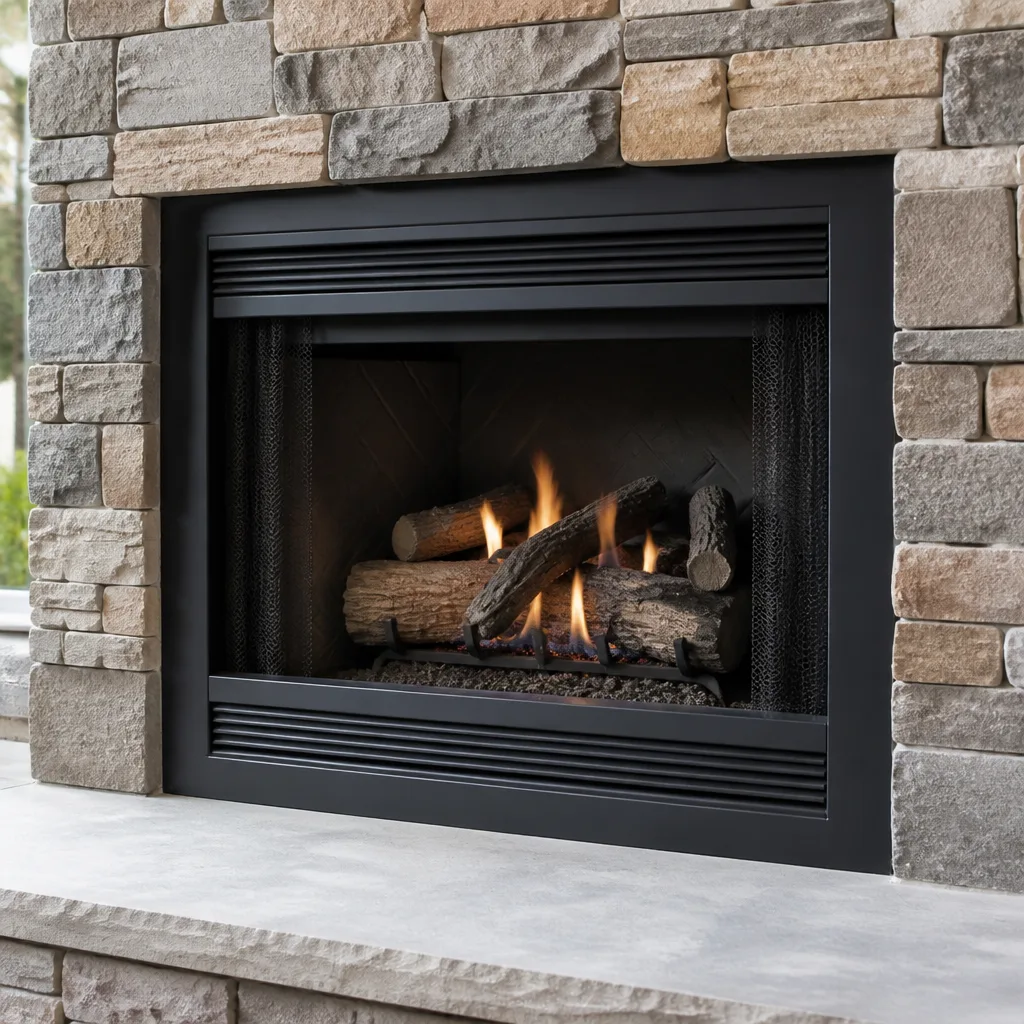 Gas fireplace service
Level 1 sweep and inspection to the NFPA 211 annual standard - flue, crown, cap, and flashing checked and photographed
Chimney sweep logs do not sweep chimneys. They loosen some creosote - which then falls where a brush and vacuum still have to collect it.
DIY vs Professional Chimney Cleaning: The High Point Homeowner’s Decision Guide
A homeowner who brushes their own flue and considers it cleaned has done roughly 60% of the job, and left the most fire-prone part of the system untouched. That’s not a knock on DIY effort. It’s a description of where the creosote actually collects. The flue shaft is the easy part: a straight run of pipe you can reach with a brush on rods. The smoke chamber above the damper is a corbeled, sloped chamber that no consumer kit can properly reach or coat, and it’s exactly where a lot of chimney fires start. This guide walks through what a homeowner can genuinely accomplish in High Point, what needs professional equipment no matter how handy you are, and how to decide which route makes sense for your house.
Quick Answer
DIY chimney cleaning in High Point is reasonable only if you have a straight flue, a wood-burning appliance, low annual use, and a professional inspection on record within the last year or two. For anything else, a professional sweep is the safer and more complete choice because a brush alone doesn’t inspect the liner, doesn’t coat the smoke chamber, and doesn’t tell you whether the system is safe to burn in afterward.
Styles & brands we work with
- Sweep & inspection
- Caps & crowns
- Flue relining
- Masonry repair
- Gas fireplace service
Table of Contents
- What a Consumer Brush Kit Actually Accomplishes
- The Jobs That Require Professional Equipment
- The Safety Question DIY Doesn’t Answer
- The Four Variables That Decide It for You
- The Insurance Angle Nobody Talks About
- How Often a High Point Chimney Really Needs Sweeping
- What a Professional Visit Actually Involves
- The Honest Cost Comparison
What a Consumer Brush Kit Actually Accomplishes
Let’s be fair to the homeowner with a brush kit and a shop vac. There’s a real task to be done inside a chimney, and a reasonably careful person can do part of it. Here at Chimney Sweep High Point, we’ve fielded plenty of calls from High Point homeowners who’ve already run a brush down their flue and want to know what they missed. The honest answer: probably the important parts, but not everything.
What a consumer kit can accomplish, on a straight flue with a wood-burning insert or open fireplace:
- Removal of light to moderate creosote from the flue shaft. A stiff poly brush on flexible rods will dislodge soot and Stage 1 creosote (the flaky, sooty type) from the walls of a straight vertical flue.
- A basic visual of the firebox. You can see the damper, the firebrick, and the immediate throat of the chimney. Obvious cracks or missing mortar are visible with a flashlight.
- Bagging and disposing of the swept debris. Nothing technical about that, but it does need doing right so you don’t coat the room in soot.
- A sense of how much creosote came down. If the brush comes back loaded every pass, that’s information. It’s not diagnostic, but it’s data.
What a brush kit on a straight flue will not do: it will not reach the offset chambers, the smoke shelf, or the sloped smoke chamber above the damper. On a flue with any offset or transition, the brush rides the inside of the curve and leaves the outside of the bend untouched. That matters because creosote accumulates most heavily at those transitions.
None of this is meant to say DIY is pointless. It’s real work, and for a conscientious homeowner with a simple system, it buys time. What it doesn’t buy is certainty. That’s the crux of the decision.
The Jobs That Require Professional Equipment
Some of the job simply can’t be done with consumer equipment, not because of skill but because of reach, access, and tooling. Here are the four tasks that fall into that category, and what each one requires.
1. Smoke chamber coating and resurfacing
The smoke chamber sits above the damper and below the flue, and it’s shaped with corbeled firebrick in a stepped slope. Creosote clings to those rough surfaces, and a brush can’t coat them or seal them. Professionals use trade-grade products to resurface the chamber, and at Chimney Sweep High Point we apply HeatShield for this because it restores the flue’s integrity without pulling the whole liner. No consumer bottle sold at a hardware store does the same job.
2. Camera inspection of the flue interior
You can’t see around a bend in your flue with a flashlight. A camera on a flexible rod can. Camera inspection is the only way to spot a hairline liner crack, a shifted joint, or a hidden gap at the top. When we run a camera in High Point, we show the homeowner the recording. Seeing the inside of your own chimney is a different kind of information than a homeowner’s guess about how it looks.
3. Liner integrity testing
Tile liners crack. Clay tile joints shift with settling and with the temperature swings between an HVAC-warm house and a burning fire. A camera shows the surface; professional diagnostic tools test whether the liner is still doing its job as a containment barrier. That’s not something a homeowner can do by eye.
4. Structural chimney repair
Spalling brick, crown cracks, missing mortar joints at the top of the chimney, and leaks at the flashing all show up during a professional visit. None of that is part of a sweep, but a chimney sweep who can also inspect the structure is the only version of the visit that catches it. Repairs sourced with Olympia Chimney and Copperfield components mean the components fit as spec’d, not improvised from hardware-store parts.
The takeaway: DIY covers one third of the visit a sweep actually performs. The other two thirds involve the smoke chamber, the flue interior, and the structure – three areas a homeowner can’t safely inspect from the top of a ladder.
The Safety Question DIY Doesn’t Answer
Here’s the part of this guide that matters most. After you finish brushing your flue, what you actually know is that you’ve removed some creosote from the shaft. What you don’t know is whether the liner is intact, whether the smoke chamber has started to fail, or whether the creosote in the offset is Stage 2 or Stage 3. You don’t know if the system is safe to burn in. You know it’s cleaner. Those are different questions, and confusing them is the actual risk.
Creosote exists in three grades:
- Stage 1 – sooty and flaky. Removed by brushing. A homeowner can handle this with a kit on a straight flue.
- Stage 2 – crunchy and glazed in patches. Brushing removes some of it, but glazed areas need more aggressive tools and often chemical treatment.
- Stage 3 – glazed and hardened. This is the fuel for a chimney fire in the literal sense. A brush won’t touch it. A sweep is the only safe way to address it.
If you don’t know which stage you’re looking at, you also don’t know what your next fire will do. That’s a fair thing to want clarity on before the burning season starts in High Point – typically late October into November, when the first genuinely cold evenings hit Piedmont North Carolina.
We’re not here to make chimney fires sound more common than they are. Most chimneys most years are fine. But the way to know yours is fine is to have it looked at by someone who can answer the question, and a homeowner with a brush kit isn’t in that position. If you’ve already done the brushing, that’s genuinely useful – call us anyway for the inspection. The last thing anyone wants is a chimney fire in an unlined or under-lined flue.
The Four Variables That Decide It for You
Whether DIY is reasonable for your house comes down to four variables. If you can answer all four with confidence, you can make the call. Most High Point homeowners can’t without a professional having looked at the system.
Variable 1: Frequency of use
A fireplace you light four or five times a season deposits a modest layer of creosote. One you burn in every cold evening deposits a lot more. The general rule of thumb in the trade is an annual sweep for a household that burns regularly through the winter. If you scarcely use the fireplace, DIY brushing is more reasonable, though it doesn’t replace a periodic inspection.
Variable 2: Age of the home
Older High Point homes built before modern liner codes took effect generally have clay tile liners. Those are subject to cracking with settling and thermal cycling. A newer home with a factory-built fireplace and a stainless liner has different inspection needs. The age of the home tells you which inspection is most urgent; the DIY question comes after that.
Variable 3: Liner type
A clay tile liner needs camera inspection. A factory-built metal chimney has its own inspection requirements from the manufacturer. A flue with a stainless liner installed (DuraFlex is the brand we typically install for this) is more forgiving but still needs inspection at the top connections. Homeowners who don’t know their liner type are working blind.
Variable 4: Last professional inspection date
This is the simplest variable and often the deciding one. If a professional hasn’t looked at the chimney in more than a year, the DIY question is the wrong question – the right one is “when can we get it inspected?” Once a pro has looked at it and confirmed there are no liner issues, no chamber problems, and no structural concerns, that’s when DIY brushing between professional visits becomes reasonable.
The decision flow
- Has a professional inspected the system within the last 12-24 months? If no, book an inspection. DIY is not the right answer until that answer is yes.
- Is the liner clay tile, factory-built, or stainless? If clay tile and the home is more than 20 years old, schedule a camera inspection before brushing yourself.
- Does the household burn more than a few fires a month through the winter? If yes, an annual professional sweep is more reliable than annual DIY brushing.
- Does the flue have any offset, bend, or transition? If yes, DIY brushing leaves that section untouched.
- If all answers point toward a clean, simple, low-use system, DIY brushing between professional visits is defensible. Otherwise, schedule the sweep.
The Insurance Angle Nobody Talks About
If a chimney fire happens and the homeowner was the only person who’d cleaned the chimney, there’s a real problem at claim time. Insurers routinely ask for maintenance records when a chimney fire claim comes in. A professional inspection on record is evidence of maintenance; a homeowner’s own brushing is not.
This isn’t about pointing fingers after a fire. It’s about the paperwork that follows one. Most homeowners’ insurance policies will pay a chimney fire claim, but they’re within their rights to ask whether the chimney was maintained. If the only maintenance activity was a homeowner brushing the flue twice a season for three years with no professional inspection on file, that’s a thinner record than the homeowner wants to be standing behind.
The simplest protection is having a professional visit on record. An annual or biennial professional sweep and inspection in High Point gives you a paper trail. It’s not about anticipating the worst – it’s about being able to say the chimney was looked at and confirmed safe to use. We don’t know the exact language of every insurance policy and don’t speak for any insurer. But we do know the questions that come up, and a professional inspection is a cleaner answer than “I brush it myself.”
Pairing a chimney visit with a professional dryer vent cleaning gives the same kind of record for the other venting system in the house most homeowners forget to have looked at. The dryer vent is a real and overlooked fire hazard, and having both on record where the home has one inspection visit is a cleaner maintenance file than two.
How Often a High Point Chimney Really Needs Sweeping
For a High Point household that burns wood regularly through the winter, an annual professional sweep is the standard. For a household that only lights a fire a few times a season, a sweep every other year with an inspection on the years between is often reasonable. Gas appliances routed through a chimney or flue still need periodic inspection – the creosote story is different, but the venting story is not.
Piedmont North Carolina sends warm and cold stretches back and forth through the burning season. When the overnight temperature drops into the 30s, many High Point households run the fireplace hard for a week and then let it rest. Those swings matter for how creosote builds up and how much moisture cycles through the masonry. The masonry in High Point chimneys sees plenty of thermal cycling even across a single winter, which is why an older chimney with a clay liner in a home built before modern liner codes is a good candidate for inspection rather than an eyeball assessment.
Symptoms that mean schedule a sweep regardless of annual timing:
- Visible creosote buildup on the firebox walls or on the damper
- A strong creosote smell in the room when the chimney isn’t in use
- Smoke coming back into the room when a fire is lit
- A familiar or new chimney odor a neighbor might identify as a fireplace smell
- Any year with heavier-than-usual burning (long cold snaps, lots of wet wood)
If any of these are present, the DIY question is answered for you. Get a professional look. The chimney sweep visit for a High Point home takes a scheduled block of time and includes camera inspection with a photo report, so you see what’s actually in there.
What a Professional Visit Actually Involves
Understanding what a professional sweep does is the clearest way to see what’s missing from a DIY brush kit. Here’s what a typical visit involves, start to finish.
- Set up. Drop cloths, a shop vac rated for fine soot, and a work area protected before a single brush goes up the flue.
- Top-down brush and sweep. The flue is brushed from the roof (or from an access hatch on a factory-built system) down to the firebox. The sweep goes past the firebox, past the damper, and into the smoke chamber where possible.
- Smoke chamber inspection and coating. The chamber above the damper is examined for creosote deposits and surface condition. Where resurfacing is needed, a HeatShield application restores the surface and seals it, and the sweep will show you what was found.
- Camera inspection of the flue interior. A camera records the full flue. The homeowner sees the same view the sweep does.
- Liner integrity check. Cracks, gaps, and joint issues are noted. On a clay tile liner, that’s the whole reason a professional visit is worth doing; a homeowner with a brush kit can’t spot a hairline crack, and a hairline crack in a liner is the path for a chimney fire to escape into the framing.
- Crown and cap inspection. The chimney crown, cap, and flashing up top are checked. Missing or damaged caps are repaired or replaced with Gelco or Famco components fitted properly rather than improvised.
- Report and written estimate. What was found, what needs doing now, and what can safely wait. The estimate is written and priced per job.
That’s the full scope. A DIY brush kit does step 2, partially. Everything else is what a professional visit adds. That’s why the honest answer to “should I DIY this” is “for the brushing part, maybe; for the rest of the visit, no.”
We work with trade-grade brands for a reason. DuraFlex for liner installations, HeatShield for resurfacing, Olympia Chimney and Copperfield for the components, and Gelco and Famco for caps and venting covers. Those brands aren’t decorative logos. They’re the products that fit and last when the work is done right, which is why we don’t substitute hardware-store components for jobs where spec matters.
The Honest Cost Comparison
Costs vary by chimney, but a straight comparison is useful. Here’s how the two routes break down on a rough basis. All figures are typical estimates; the written estimate from an on-site visit sets the final price.
- DIY brush kit and rods: modest one-time equipment cost, plus shop vac (or a rented one). A homeowner’s time and effort, and no professional inspection record.
- Professional sweep: typical for a routine annual sweep in High Point, with camera inspection and photo report included. That’s usually a modest premium over the DIY equipment cost for a single visit, but covers the full inspection scope.
- HeatShield smoke chamber resurfacing (if needed): priced separately at the estimate stage. Restores flue integrity without a full reliner replacement, which is the costlier alternative.
- Liner repair or replacement (if a crack is found): priced per job at the written estimate. The point of the camera inspection is to avoid guessing at this cost either way.
- Dryer vent cleaning: priced separately at the estimate stage. A common add-on visit for homeowners who want both venting systems checked on the same day.
What the comparison doesn’t show in dollars is what DIY doesn’t buy. No inspection record. No camera footage of the flue interior. No verification the liner is intact. No smoke chamber resurfacing if it’s needed. If the system is a straight flue, low-use, recently inspected fireplace, the DIY case is reasonable. If none of that is true, the pro visit is doing work a brush kit can’t.
Common Mistakes to Avoid
- Brushing without an inspection first. Brushing a flue with a cracked liner or a damaged smoke chamber can spread soot into the structure through the very gap it can’t see. Get the inspection before the brush.
- Assuming the smoke chamber is part of the flue cleaning. It isn’t, not in a DIY kit. It’s the most fire-prone part of the system, and it needs resurfacing tools and a trained eye.
- Using a rotary whip on a lapped flex liner. Consumer rotary tools can score a metal liner. Some are safe for brick and clay; others aren’t. Ask before buying.
- Skipping the inspection on a clay tile chimney in an older High Point home. Tile cracks hairline thin, and a brush hides the crack while it’s in the flue. The camera is the only thing that shows it.
- Not having an annual professional record. Brushing between professional visits is fine. Replacing professional visits entirely is not, especially at insurance claim time.
- Burning unseasoned wood to “dry it in the fire.” Green wood deposits far more creosote than seasoned wood. If you’re brushing yourself, this is the variable that most affects how fast creosote builds back up.
- DIY-ing the dryer vent alongside the chimney. The dryer vent has its own fire risk and its own inspection standard, and the discharge point on an exterior wall is generally not something a homeowner can inspect safely. Have it looked at by someone who does this for a living.
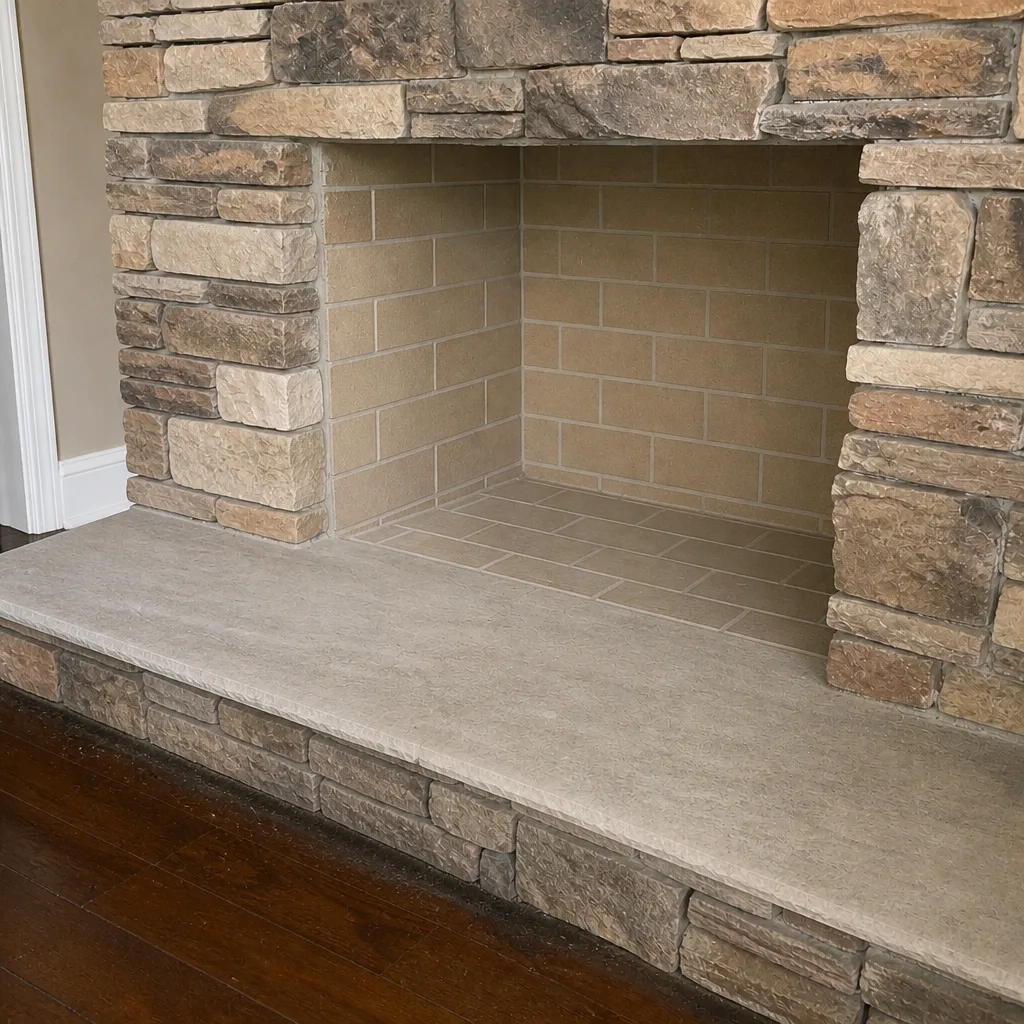
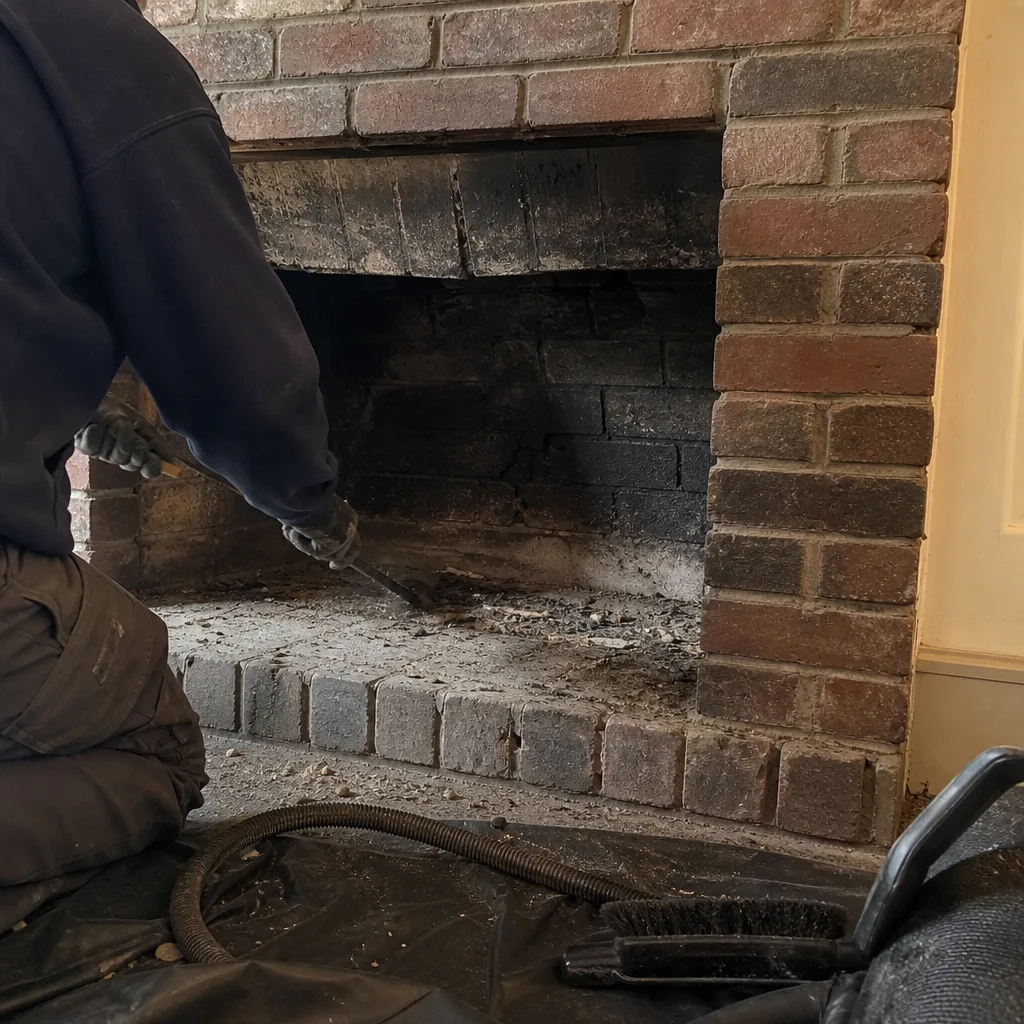
See the difference
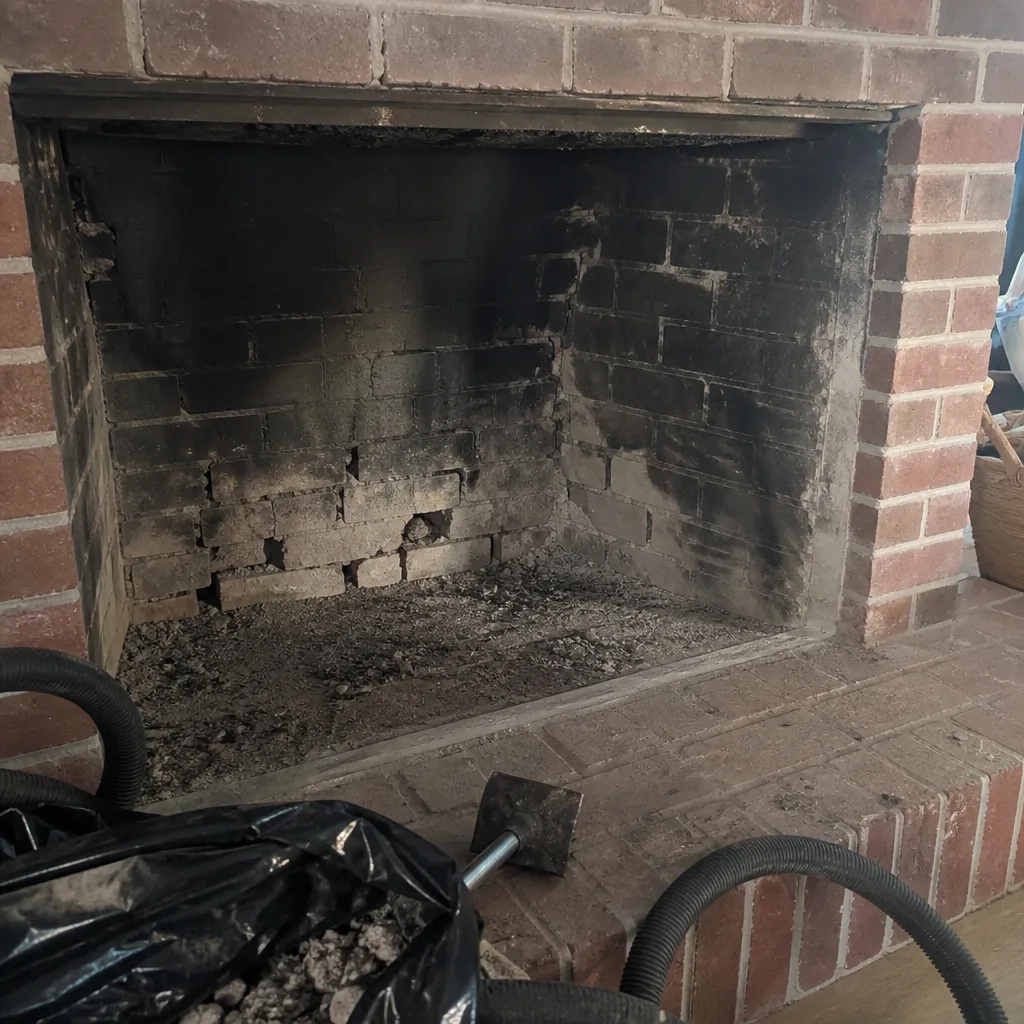 Before
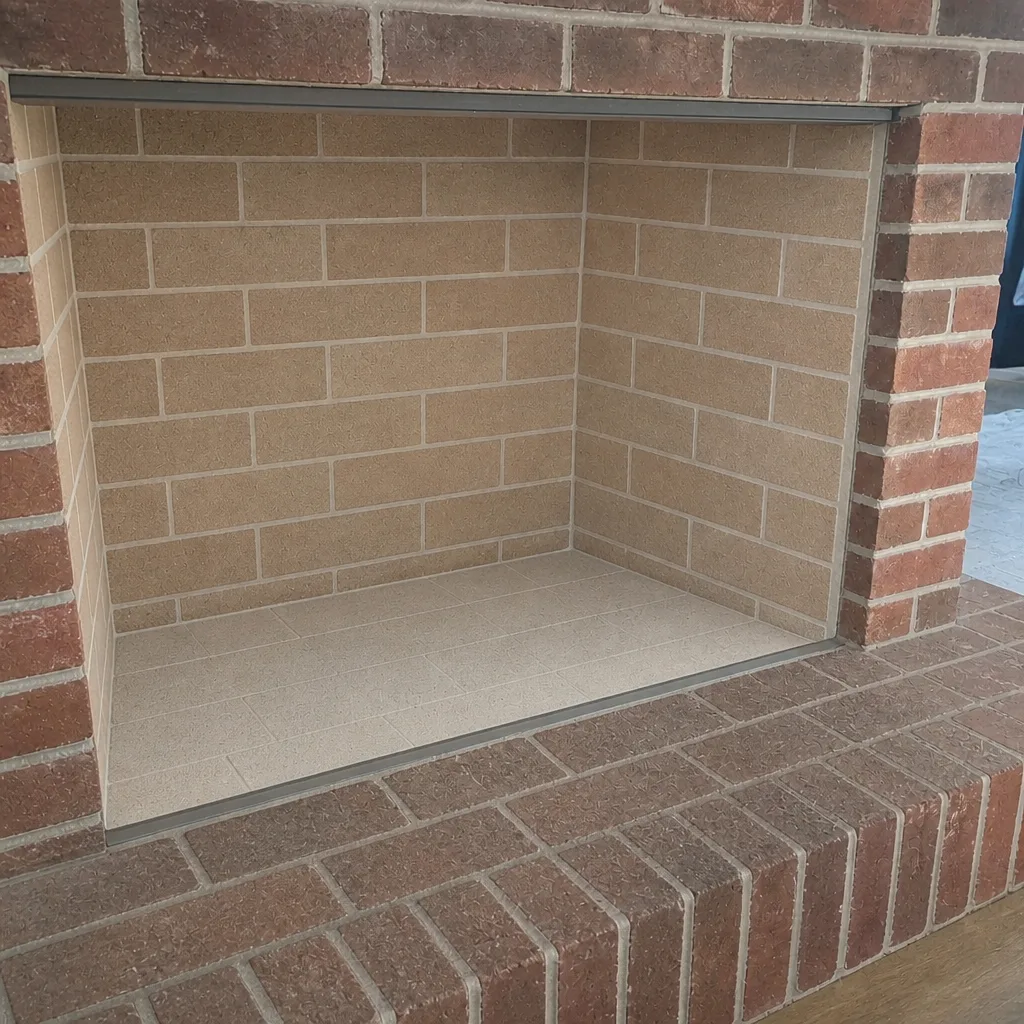 After
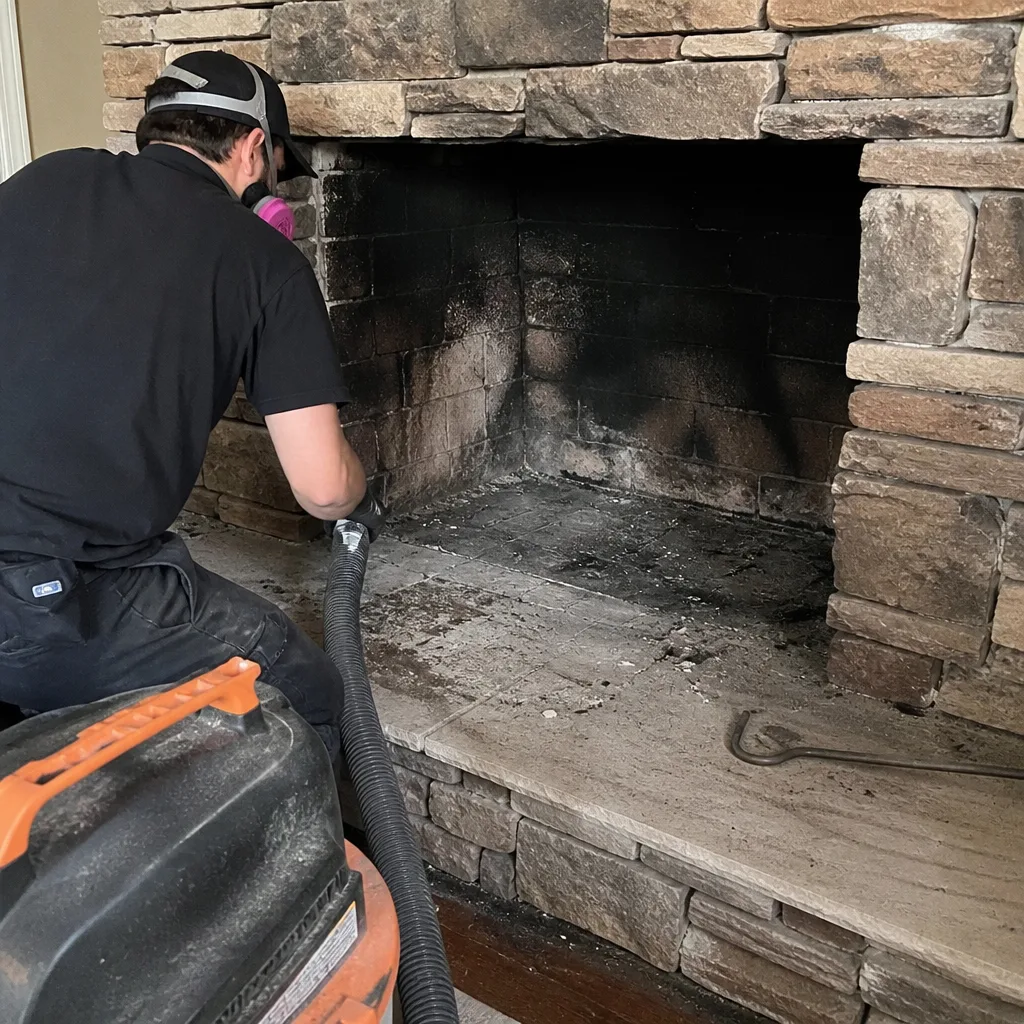 Before
 After
 Before
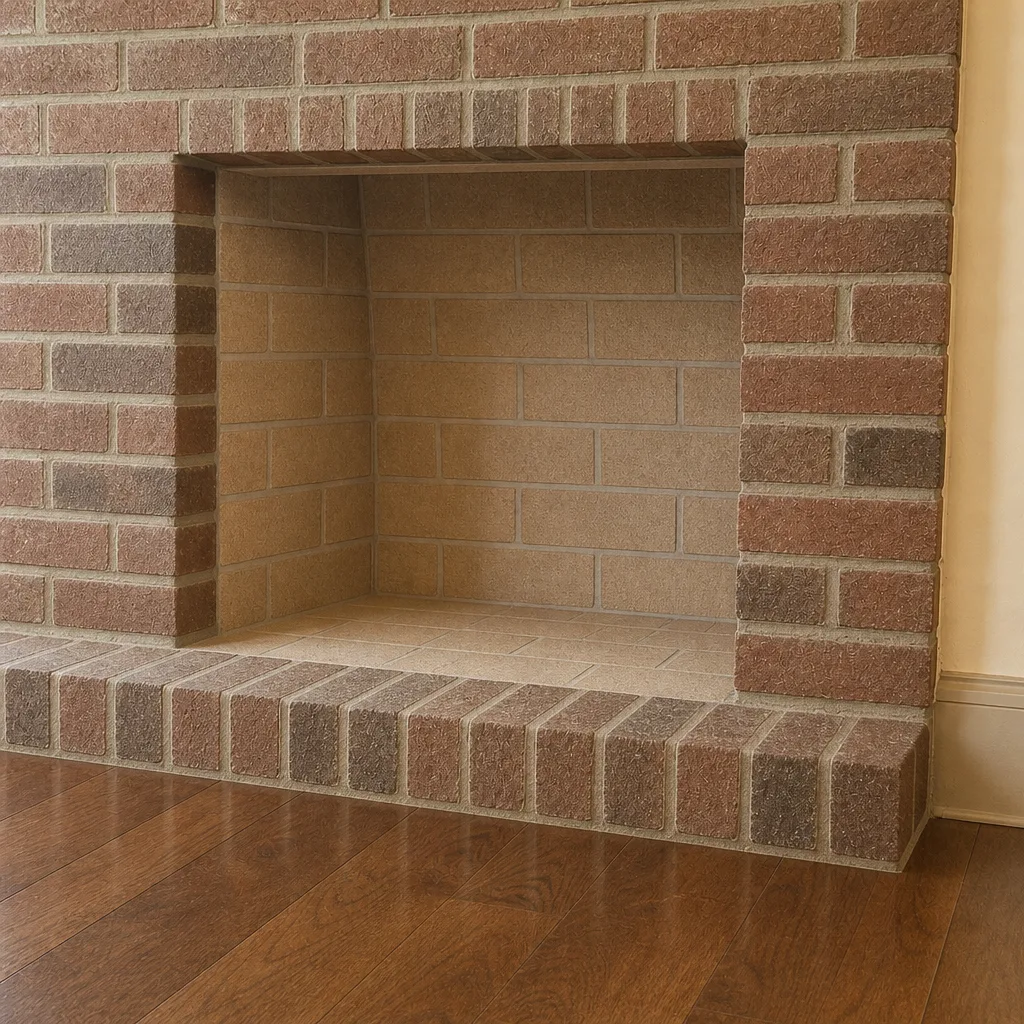 After
When to Call a Professional
Call a professional if the flue has any offset or transition, if the liner is clay tile and the home is more than 20 years old, if you burn regularly through the winter, if you’ve never had the system inspected, or if you’ve spotted creosote on the firebox or damper. Call if a fire ever produced a chimney noise or a strong smoke smell. Call if your insurance has asked for chimney maintenance records and you don’t have any. And call if you’ve done the DIY brushing and want to know whether the system is actually safe to burn – the answer requires a look, not a guess.
Getting a look at your High Point chimney is straightforward. Call Chimney Sweep High Point at (877) 798-3391 for a free estimate. We answer 24/7. Fast dispatch from 7am to 7pm, Sunday through Friday.
Frequently Asked Questions
You can clean the flue shaft of a simple, straight-flue chimney with a consumer brush kit, and that’s real work worth doing. What you can’t do with a kit is inspect the liner, coat the smoke chamber, or tell whether the system is safe to use afterward. DIY covers part of the job, not the whole job.
If you want the safety question answered, call (877) 798-3391 for a free estimate. Estimates are free.
Routine chimney sweeps in High Point are priced per job, and the written estimate after an on-site visit is the final word. Camera inspection and a photo report are included in the visit, so you see what we see. Call (877) 798-3391 for a free estimate.
Yes, at least periodically. Brushing doesn’t show you a hairline liner crack, a shifted tile joint, or a smoke chamber failure. The inspection is the part of the visit that answers whether the system is safe to burn. Most High Point households should have a professional look at least every year or two. Call (877) 798-3391 for a free estimate.
Annually if you burn wood regularly through the winter; every other year with an annual inspection between sweeps if the household burns infrequently. Gas appliances routed through the flue still need periodic inspection. If you’re unsure which category your house is in, an inspection is the way to find out. Call (877) 798-3391 for a free estimate.
Creosote builds up in the flue and the smoke chamber, mostly at the transitions and the chamber surfaces the brush can’t reach. Eventually that buildup is the fuel for a chimney fire, and the fire is the answer to the question of whether the system was safe. We’re not here to scare-sell: the correct framing is that skipping the sweep removes your ability to know the system is safe. Call (877) 798-3391 for a free estimate.
It can complicate the claim. Insurers routinely ask for maintenance records after a chimney fire, and a homeowner’s own brushing is not a professional inspection record. An annual professional sweep is the cleaner answer to that question. Call (877) 798-3391 for a free estimate.
They’re two distinct venting systems with two distinct fire risks, and both need a professional look. Dryer vent lint is a fire hazard most homeowners overlook, and the exterior discharge point isn’t something you can safely inspect yourself. In a High Point home, that’s a separate visit from the chimney sweep – but the same crew can handle both. Call (877) 798-3391 for a free estimate.
The Bottom Line
DIY chimney cleaning isn’t a bad idea; it’s an incomplete one. A brush kit can handle the flue shaft on a simple, straight-flue system, and that’s a real task worth doing between professional visits. It can’t touch the smoke chamber, can’t see a hairline crack, can’t tell you the liner is intact, and leaves no inspection record on file at insurance-claim time. If your system is clean, low-use, straight-flued, and recently inspected, the DIY case is defensible for brushing between visits. If any of those aren’t true, a professional sweep is the safer and more complete choice. That’s the honest framework, and it doesn’t change with the weather.
For a look at your own chimney in High Point, call (877) 798-3391 for a free estimate. We answer 24/7. Fast dispatch from 7am to 7pm, Sunday through Friday. Our technicians have up to 14 years of experience, and we work with the brands professional chimney crews actually trust.
Written by the team at Chimney Sweep High Point.