
Last updated November 14, 2026
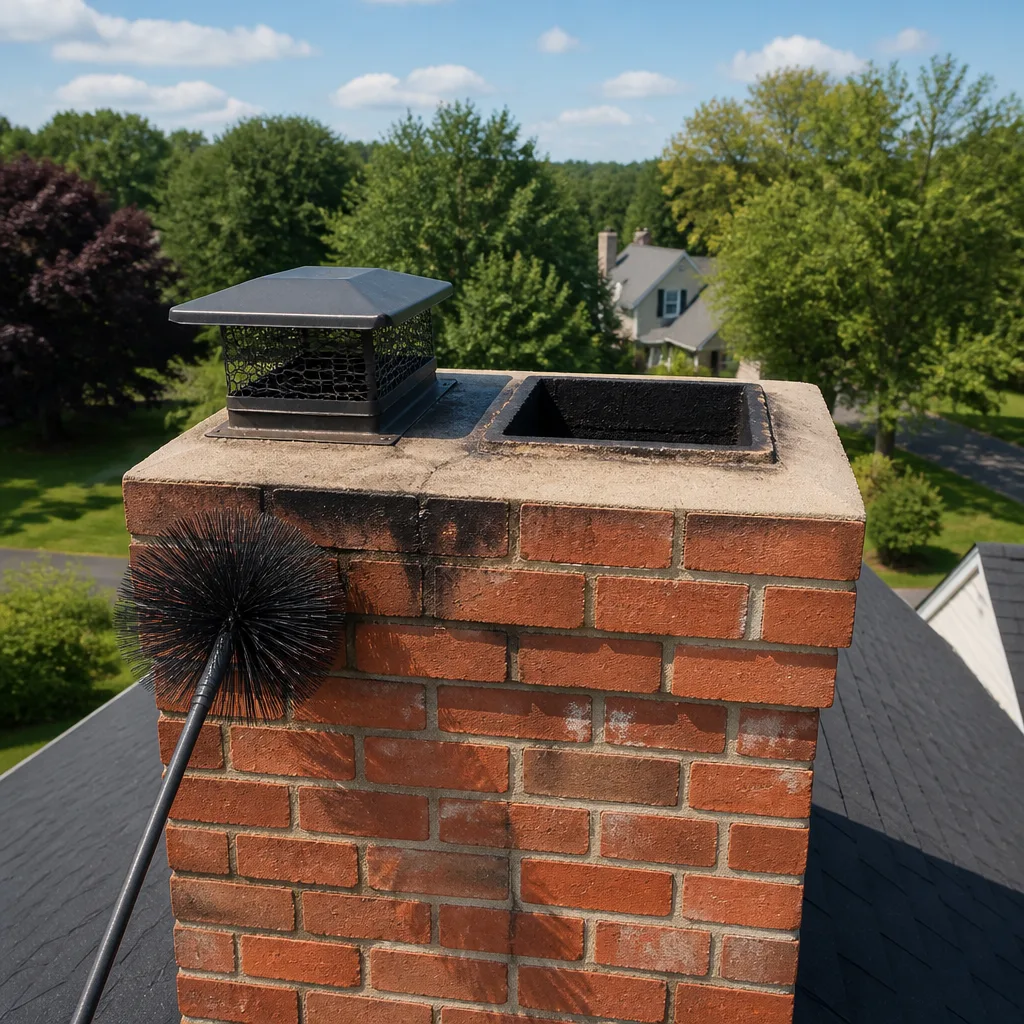 Sweep & inspection
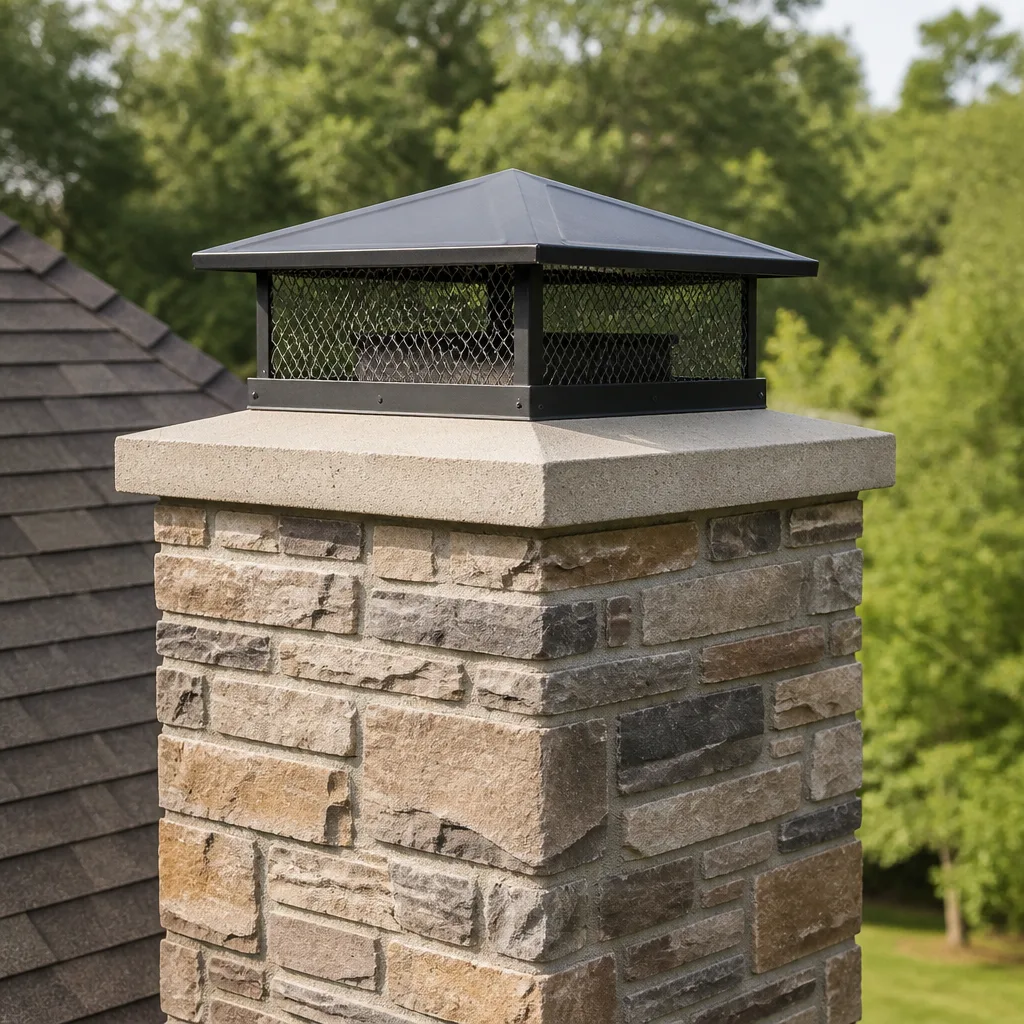 Caps & crowns
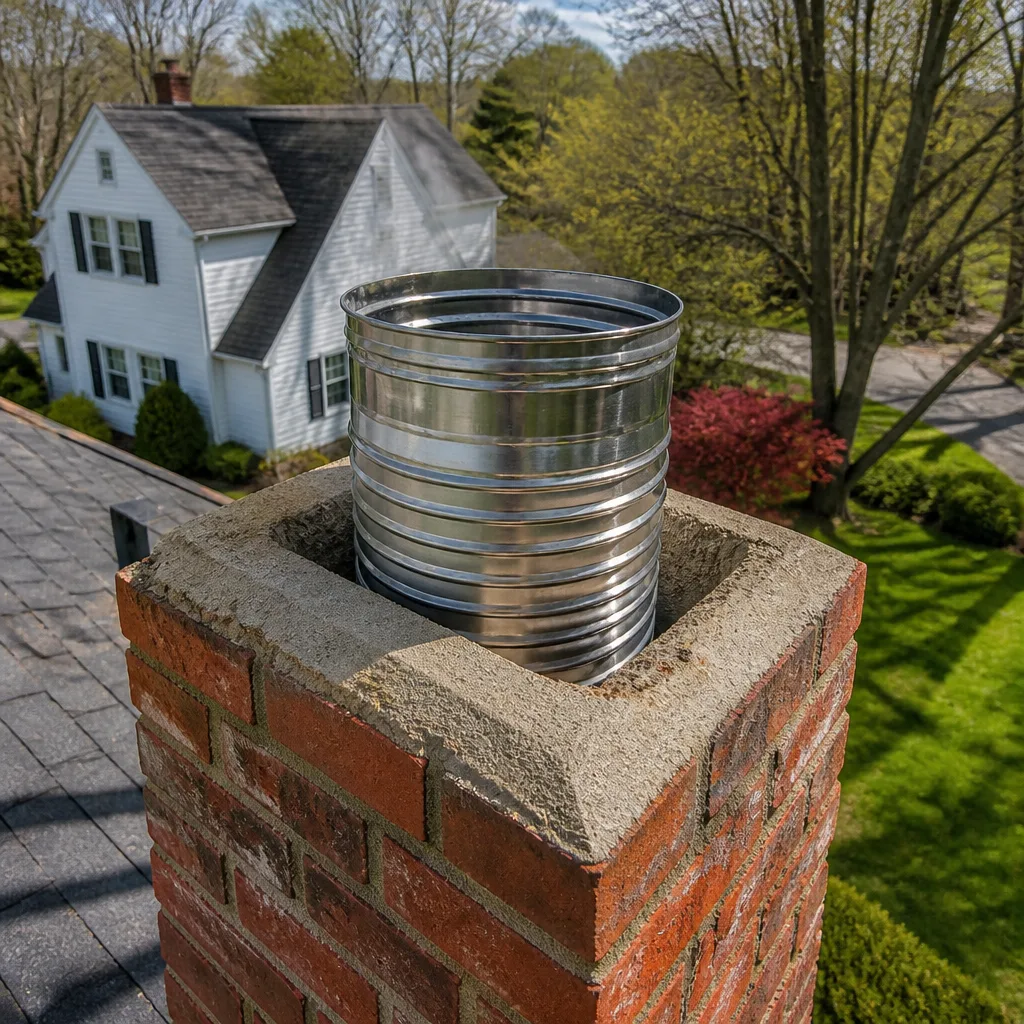 Flue relining
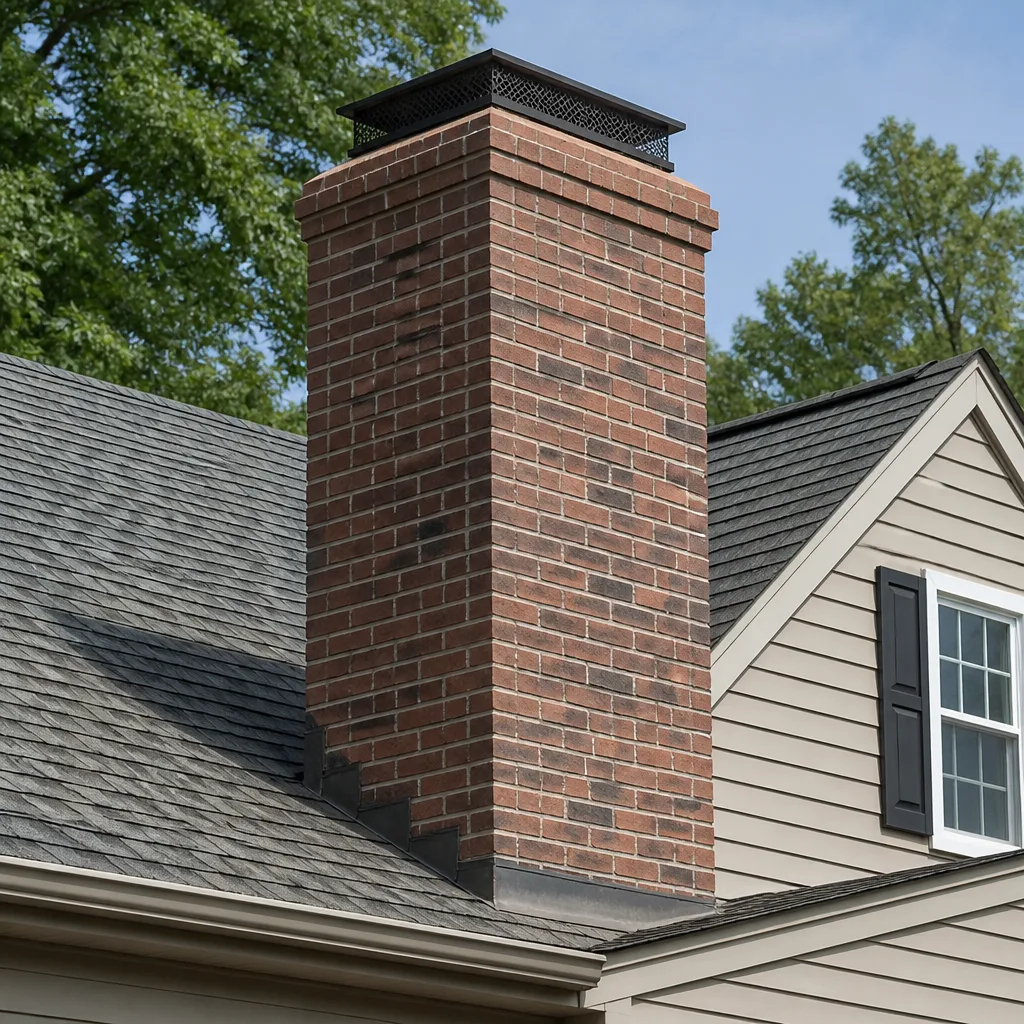 Masonry repair
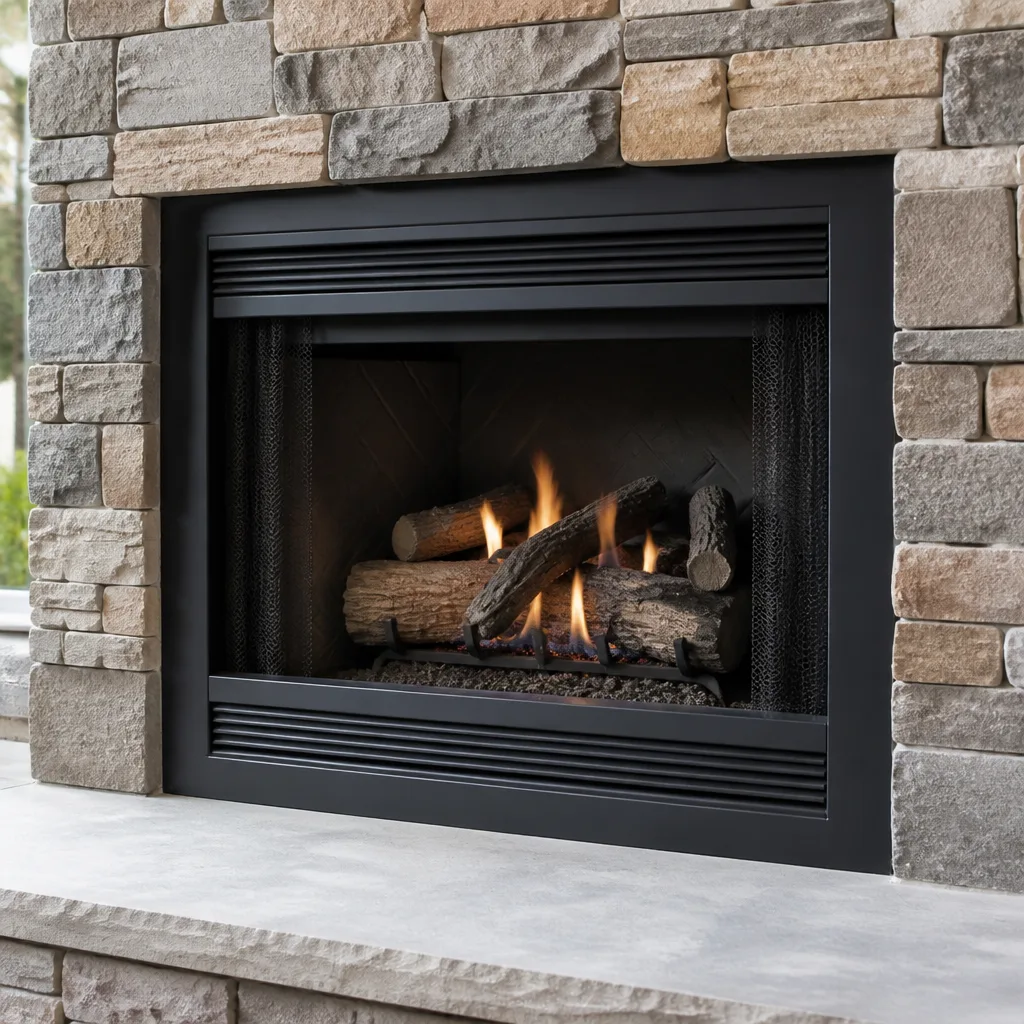 Gas fireplace service
Level 1 sweep and inspection to the NFPA 211 annual standard - flue, crown, cap, and flashing checked and photographed
Chimney sweep logs do not sweep chimneys. They loosen some creosote - which then falls where a brush and vacuum still have to collect it.
Seasonal Chimney Cleaning Care for High Point: Year-Round Homeowner’s Guide
Most chimney advice you’ll find online was written for a cold, dry climate, and it treats the annual sweep as the whole job. High Point doesn’t work that way. Our summers are long, humid, and still, and a firebox that sits unused from April to October can collect moisture the way a closed basement does. That moisture goes after mortar, damper hardware and clay tile long before the first fire of fall, which is why the maintenance calendar that actually fits High Point looks different from the national standard. This guide lays out a month-by-month plan calibrated to Piedmont weather, explains why the spring inspection matters as much as the fall sweep, and shows you what to check and when to call a professional.
Quick Answer
In High Point, chimney care runs on two peaks, not one: a fall pre-season sweep before the first fire and a spring post-season inspection once the burning year ends, with cap, crown and moisture checks slotted into the humid summer months between them. The fall visit confirms draft, damper seal and creosote load; the spring visit catches water damage while it’s still cheap to fix. Everything in between is about keeping rain and humidity out of a flue that isn’t drying itself with daily fires.
Styles & brands we work with
- Sweep & inspection
- Caps & crowns
- Flue relining
- Masonry repair
- Gas fireplace service
Table of Contents
- The High Point chimney calendar, month by month
- Why the spring post-season check matters in a humid Piedmont climate
- What a wet off-season does to a clay tile liner vs. a stainless liner
- Summer cap and crown maintenance as moisture defense
- What fall pre-season cleaning should confirm before the first fire
- The venting job most High Point homeowners forget
- Common mistakes to avoid
- When to call a professional
The High Point Chimney Calendar, Month by Month
Chimney maintenance in High Point follows the weather, not the calendar on a manufacturer’s brochure. Our burning season runs roughly October into March, the humid stretch sits from late May through September, and the freeze-thaw window that does the most mortar damage tends to fall in short cold snaps between December and February. Split the year along those lines and the tasks sort themselves out.
- October, before the first fire: full sweep, draft test, damper check, visual inspection of the firebox and flue. This is the visit that clears last season’s creosote.
- November through February: burn season. Watch for smoke rolling back into the room, a damper that won’t seat, or creosote odor on mild days. Those are signals to stop and get the flue looked at.
- March, at the end of burning: sweep out the season’s accumulation while it’s still soft, and get the flue inspected for cracks and joint separation.
- April and May: the spring post-season inspection, done after the last fire and before the humid months set in. Cap, crown and flashing get checked here.
- June through August: moisture-defense season. Confirm the cap is intact, the crown isn’t cracked, and the damper closes fully. This is also the stretch when a musty smell from the firebox shows up.
- September: a quick pre-season look before you schedule the fall sweep, so any summer damage gets fixed ahead of the first cold night.
The reason this order matters in High Point is simple: a flue dries itself out during burning season because every fire moves hot, dry air up and out. Once the fires stop, that drying stops too, and the flue becomes a cool shaft in a humid climate. Anything that lets outside moisture in has three to four months to work on the masonry before anyone notices.
Why the Spring Post-Season Check Matters in a Humid Piedmont Climate
Spring is when a High Point chimney is most vulnerable, not least. The fires are out, the air is warm and wet, and the flue has gone from hot and dry to cool and damp in a matter of weeks. That swing is what drives moisture into masonry pores, and it happens while nobody is looking up the chimney.
There’s a second reason the spring visit earns its place. Creosote left sitting in a flue through a humid summer softens, draws moisture, and starts producing that sharp, smoky smell that creeps into living rooms in July. Homeowners often blame the HVAC system or a dead animal, but the source is frequently last season’s deposit still clinging to the flue walls. A spring sweep removes it before the humid months can turn it into an odor problem, and the inspection that comes with it catches cracked mortar joints and separated flue tiles while they’re still small repairs.
In our experience, the spring visit is also the better time to photograph and document the flue. The flue is clean, the light is good, and any crack or gap is easy to see without a layer of soot in the way. That record matters when you compare condition year to year.
- What spring inspection covers: flue tile condition, mortar joints, damper operation, firebox masonry, cap and screen, crown and flashing at the roofline.
- What it prevents: moisture-driven spalling, rusty damper hardware, hidden joint separation that lets combustion gases escape into the structure.
- What it sets up: a baseline so the fall visit is a cleaning and confirmation, not a discovery.
If you only ever schedule one visit a year, make it the fall sweep, because that’s the one tied to fire safety. But in a humid climate like ours, the spring check is what keeps the chimney from quietly aging faster than it should. For a broader look at what a routine visit involves, see our chimney sweep page.
What a Wet Off-Season Does to a Clay Tile Liner vs. a Stainless Liner
Your liner material determines how much a wet High Point summer actually costs you. Clay tile liners were the standard for decades and they work well when they stay dry, but they’re brittle, they’re set in mortar, and they expand and contract with temperature. Stainless steel liners flex with those same swings and don’t absorb water at all. The difference shows up most in the off-season.
Clay Tile Through a Wet Off-Season
Clay is porous. Moisture from humid air, a missing cap, or a cracked crown works into the tile and the mortar around it. When a cold snap follows, that moisture freezes, expands, and pushes the surface off the tile, which is what spalling is. Repeat that cycle across a few winters and you get hairline cracks, then gaps at the joints, then a flue that no longer contains combustion gases the way it should. A clay tile flue hidden behind a cap can go from sound to questionable in a handful of seasons, and none of the damage is visible from the firebox.
Stainless Through the Same Season
A stainless liner doesn’t absorb water, so the freeze-thaw cycle doesn’t attack it from inside. What it does face is corrosion at the seams and joints if condensate sits against it, and that’s why installation quality matters as much as the material. We install and work with DuraFlex flexible liner systems, a professional-tier product used across the trade, and the system’s joint and fitting details are part of why it holds up where a rough installation wouldn’t.
This isn’t an argument that every chimney needs a liner. Many clay flues are in fine shape and stay that way with a good cap and a spring check. The point is to know which liner you have and what your specific off-season is doing to it. If the spring inspection finds cracked tiles or gaps, ask whether resurfacing makes sense before replacing. HeatShield resurfacing can restore flue integrity without a full reliner replacement, and for a flue with localized damage that can be the more sensible repair. What you shouldn’t do is assume a clay flue is fine because the fireplace still draws. Draft can be acceptable right up until a joint opens.
Summer Cap and Crown Maintenance as Moisture Defense
The cap and crown are the two pieces of the chimney most responsible for keeping summer moisture out, and both are easy to overlook because they sit at the roofline where nobody looks. The cap keeps rain, birds and debris out of the flue opening. The crown is the sloped concrete top that sheds water away from the masonry below. When either one fails, water gets a direct path into the chimney structure, and the humid months do the rest.
A cracked crown is the more serious of the two. Water seeps into the crack, works down through the masonry, and shows up as a damp stain on a ceiling or a musty smell in a room with a fireplace. By the time it’s visible indoors, it’s been happening for a while. A missing or damaged cap is faster to spot: rain down the flue, rusted damper parts, and animals finding their way in. Neither problem is hard to fix when it’s caught in spring or early summer, and both get expensive when left through a few wet seasons.
This is also where proper hardware matters. Improvised caps from a hardware store often don’t fit the flue opening correctly, which leaves gaps at the edges and defeats the purpose. We work with Gelco and Famco for caps and venting covers, and the fit and installation follow manufacturer spec rather than a best guess. A cap that seals properly does more for a flue through a High Point summer than almost anything else you can do to it.
- Check in late spring: crown for cracks and crumbling, cap for rust, loose fasteners or gaps.
- Check after any storm season: flashing at the roofline, since a lifted edge lets water track down the masonry.
- Fix early: a crown repair or cap replacement is small work compared to rebuilding a water-damaged chimney.
What Fall Pre-Season Cleaning Should Confirm Before the First Fire
The fall visit is the safety visit, and a good one is more than a sweep. It confirms three things before you light the season’s first fire: the flue is clear of creosote, the draft is pulling correctly, and the damper seals. A sweep that skips any of those is only half a job.
- Creosote load from the previous season. The sweep removes what’s built up in the flue, and the technician should be able to tell you how heavy it was. Heavy, glazed creosote is a different situation from light soot and calls for a closer look at burn habits and draft.
- Draft test. A flue that won’t pull sends smoke into the room, and it can also mean the flue is obstructed or undersized for the appliance. The test is quick and it’s the single best indicator that the chimney is ready to use.
- Damper seal and operation. A damper that won’t close fully leaks heat out of the house all winter and lets humid air into the flue in summer. A damper that sticks open is a moisture path in the off-season just as much as a missing cap.
- Visual inspection of the firebox and flue throat. Cracks in the firebox masonry or a damaged smoke shelf affect how the whole system performs and are worth catching before the season.
Do this in October, ahead of the first cold night, rather than waiting until the fireplace is needed. Once the weather turns, everyone in High Point wants a sweep at the same time, and the schedule fills accordingly. Booking the fall cleaning early is the one piece of this calendar that’s under your control.
The Venting Job Most High Point Homeowners Forget
Chimney care is only half of what keeps a house safe from venting fires. The dryer vent cleaning side of the checklist gets skipped more than any other, and the reason is simple: it’s out of sight. Lint builds up in the duct behind the dryer over months of use, and once it’s thick enough, a spark or an overheated dryer can ignite it. It’s a real fire risk, and it’s one of the most commonly overlooked in the home.
The signs that a dryer vent is overdue are worth knowing. Clothes take longer than they used to. The dryer feels hot to the touch on the outside. The outside vent flap doesn’t open much, or you can feel weak airflow. There’s a musty smell in the laundry area. Any of those points to restricted airflow, and restricted airflow is what turns a normal lint load into a hazard. A dedicated cleaning clears the duct and restores the airflow the dryer was designed around.
This is why we run three service categories under one company: chimney sweeping, chimney repair, and dryer vent cleaning. It means a homeowner in High Point doesn’t have to line up two separate contractors and hope each one handles their part. When you book a fall chimney sweep, it’s a natural time to have the dryer vent checked too. Visit our Chimney Sweep High Point home page to see how the services fit together.
Common Mistakes to Avoid
- Treating the chimney as a fall-only item. In a humid climate, the off-season is when the damage happens. Skipping the spring check is the mistake we see most often, and it’s the one that lets small moisture problems turn into structural repair.
- Assuming a drawing fireplace means a sound flue. Draft can be fine while a flue joint has opened behind the tile. The only way to know is an inspection that looks at the flue, not just the firebox.
- Putting off the cap. A missing or poorly fitted cap lets rain straight down the flue all summer. It’s one of the cheapest fixes on the chimney and one of the highest-value.
- Using a hardware-store cap that doesn’t fit. Improvised covers leave gaps at the flue opening, which defeats the point. Proper fit from a trade supplier does the job right the first time.
- Burning unseasoned wood to stretch a supply. Wet wood builds creosote faster and produces less heat. It’s a slow way to create a problem that a sweep has to deal with later.
- Ignoring creosote odor in summer. A smoky smell in a hot, humid High Point summer usually means deposit left in the flue is drawing moisture. It’s a sign the spring sweep was skipped.
- Forgetting the dryer vent entirely. It isn’t part of the chimney, but it’s part of the same venting-safety picture. Lint buildup is a fire risk whether or not anyone remembers to check it.
When to Call a Professional
Some chimney work is a homeowner check; some isn’t. Call a professional if you see cracked or crumbling masonry in the firebox, a damper that won’t seat, smoke rolling back into the room when you burn, a musty smell from the fireplace area in summer, or water stains on the ceiling near the chimney. Those point to problems that need eyes on the flue, and a homeowner can’t inspect the inside of a flue safely. Anything involving the flue interior, liner condition, crown repair or roofline work belongs with a trained technician, and so does a dryer vent that’s clearly restricted. We work with the brands professional chimney crews actually trust, and our technicians have up to 14 years of experience with the full range of chimney systems. Chimney Sweep High Point offers free estimates in High Point: call (877) 798-3391. We answer 24/7, and fast dispatch from 7am to 7pm, Sunday through Friday, gets a technician out to look at what you’re seeing.
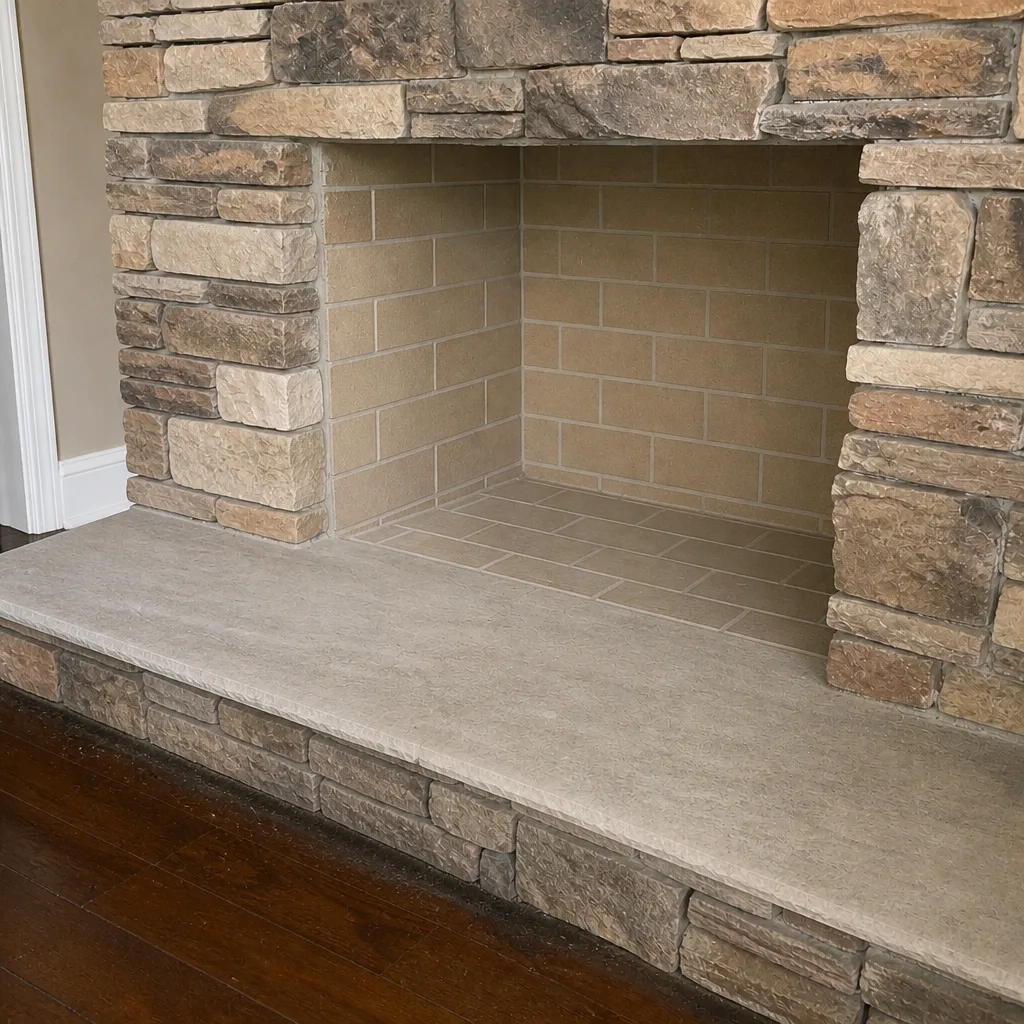
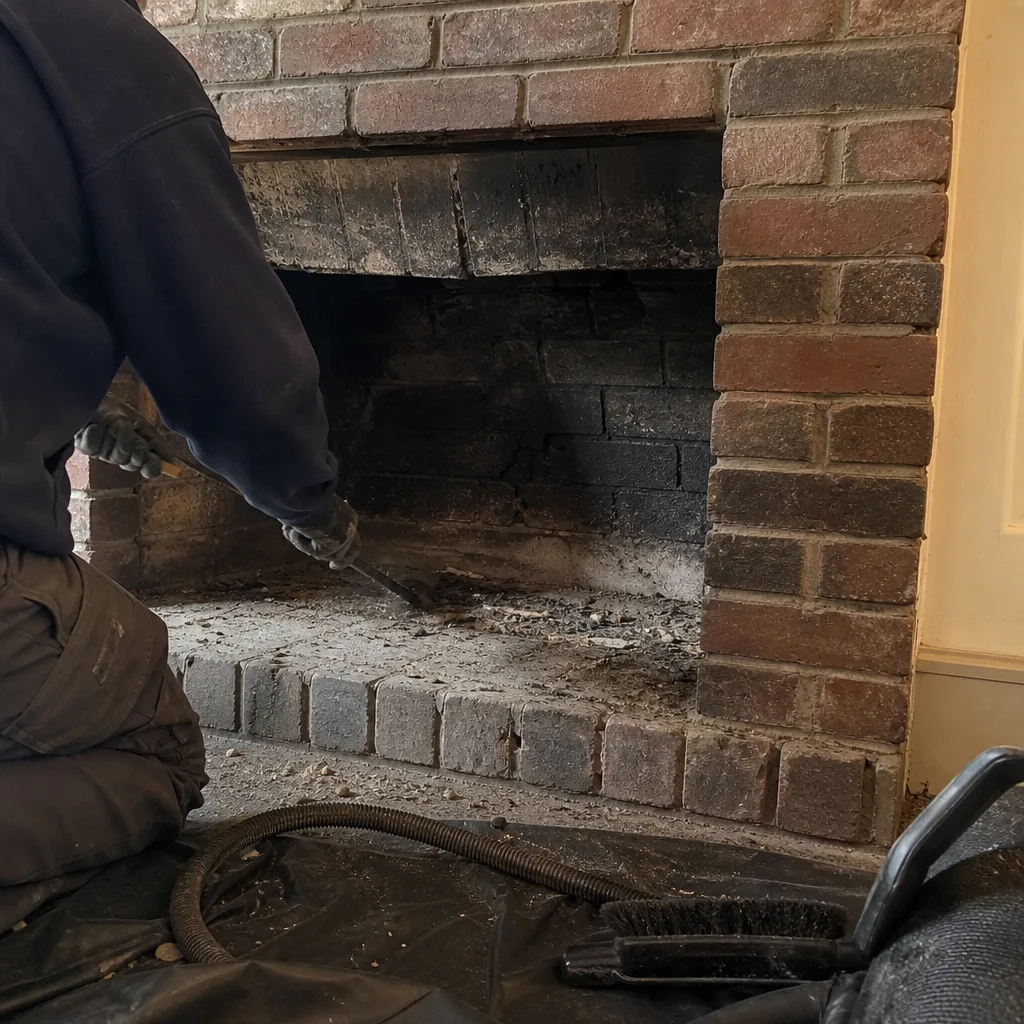
See the difference
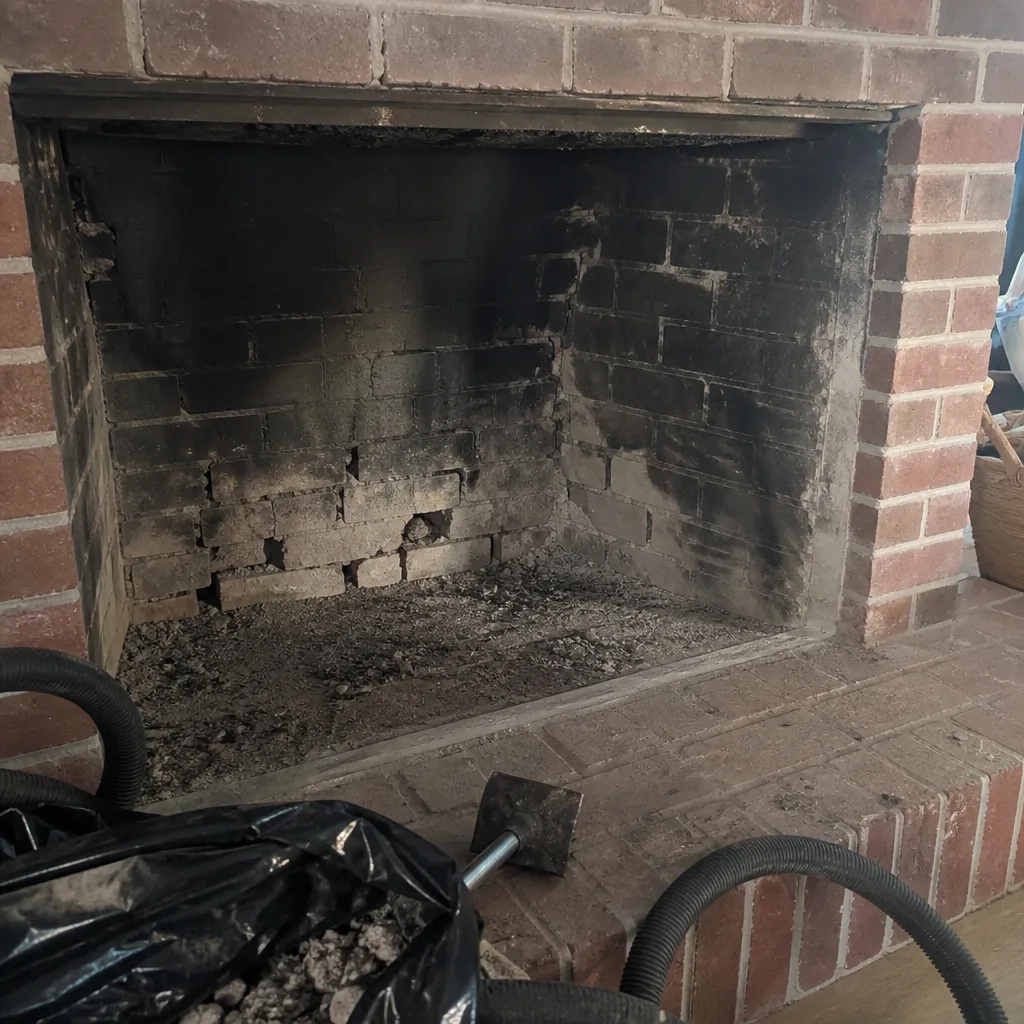 Before
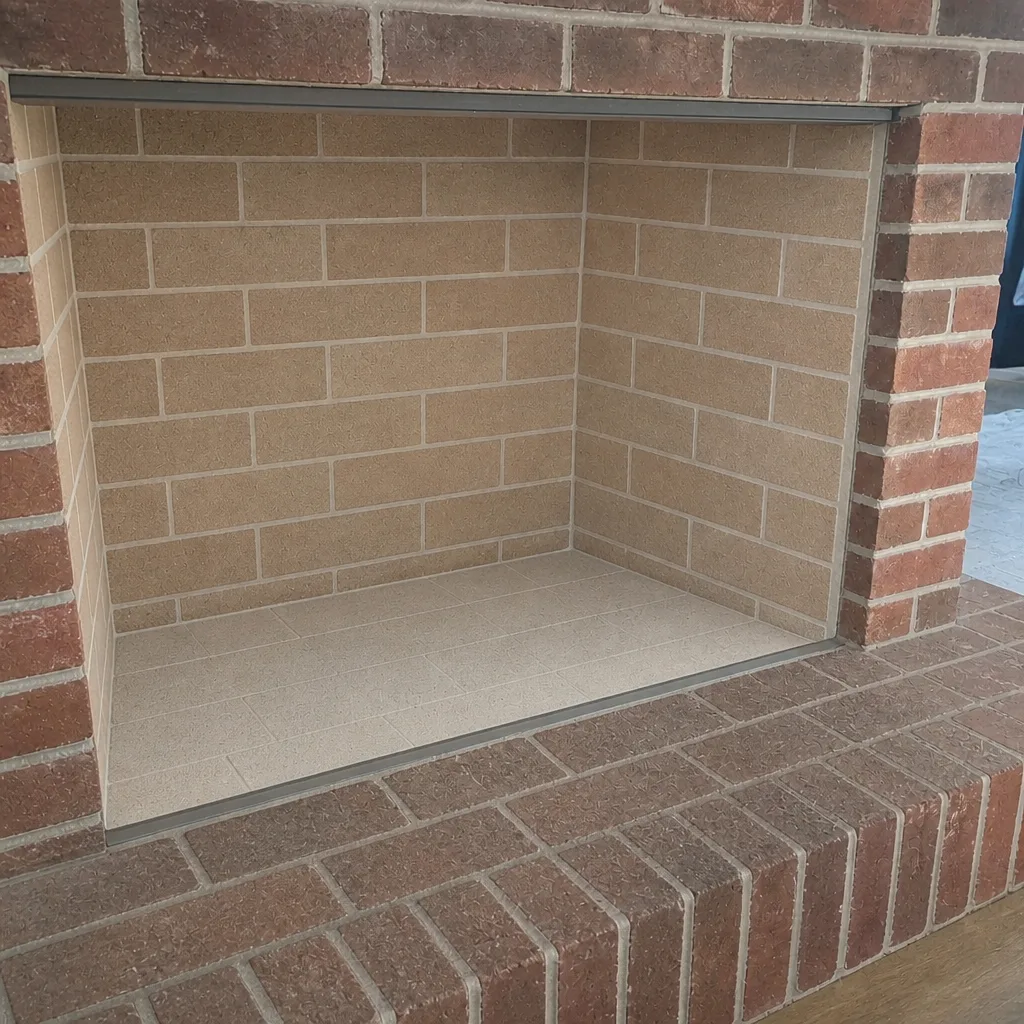 After
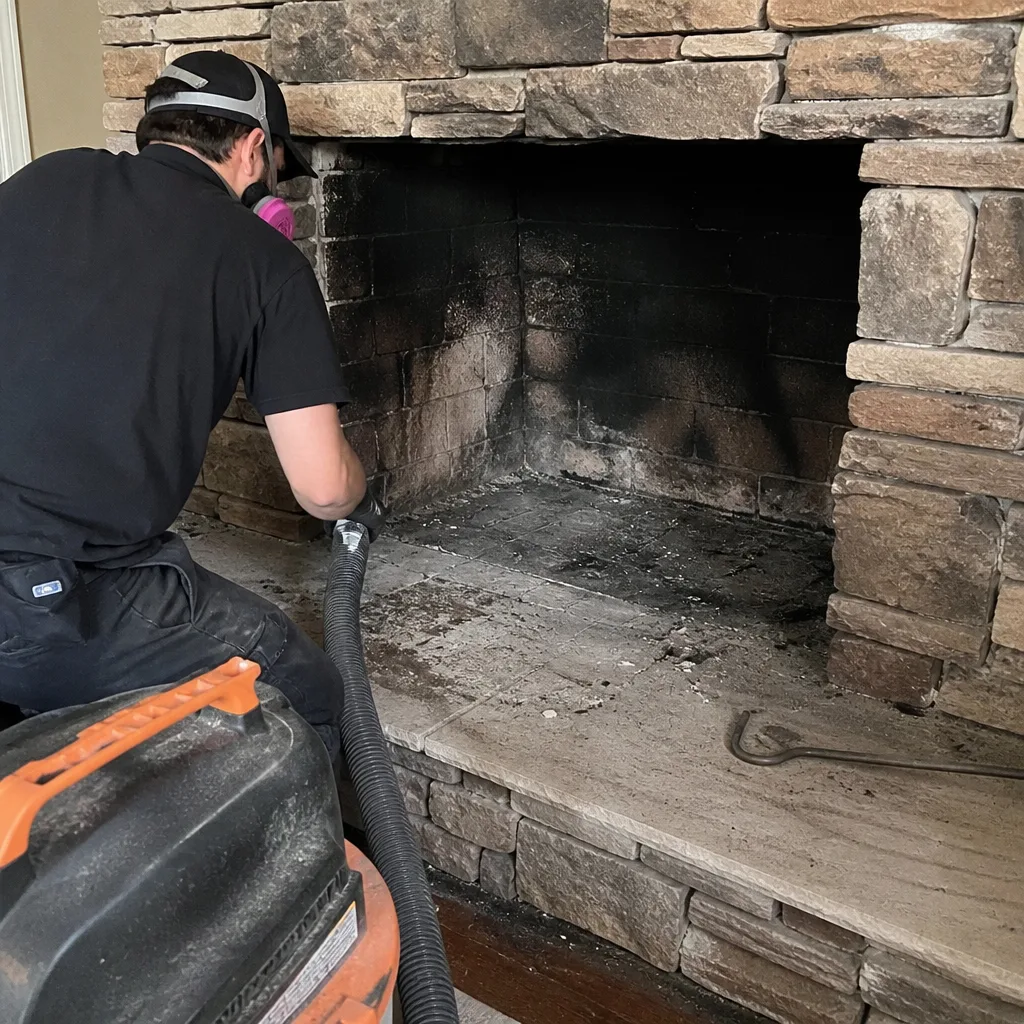 Before
 After
 Before
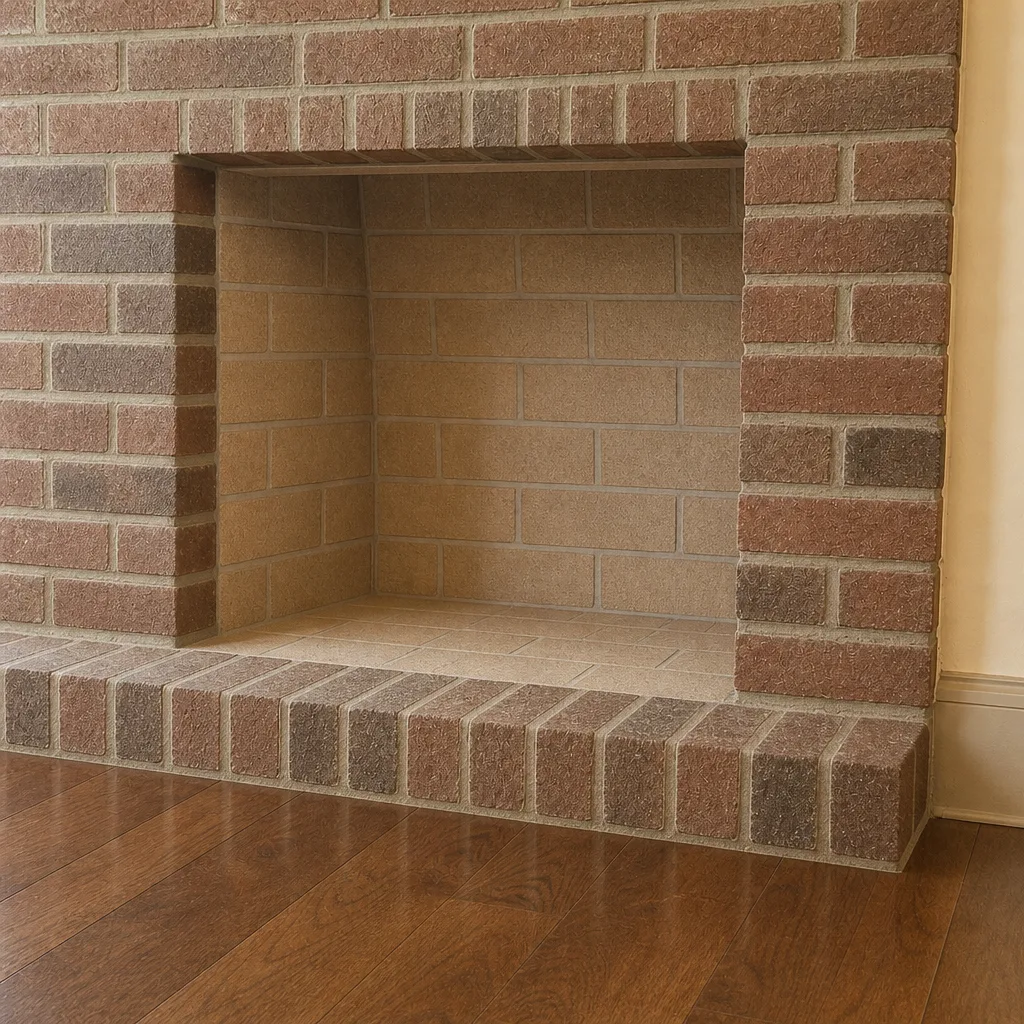 After
Frequently Asked Questions
Once a year during burning season is the baseline, plus a spring inspection after the last fire. In High Point’s humid climate, that spring visit matters as much as the fall sweep because it catches moisture damage before the wet months. If you burn heavily, sweep more often.
A smoky smell in summer usually means creosote left in the flue is drawing moisture from the humid air. The fix is a sweep to clear the deposit, followed by a check of the cap and crown to make sure moisture isn’t getting in. Call (877) 798-3391 for an estimate.
Not automatically. A clay flue in good condition with an intact cap and crown can last a long time. Cracks, gaps at the joints, or spalling are what trigger a conversation about relining or resurfacing. HeatShield resurfacing can restore a flue without a full reliner replacement when the damage is localized. The inspection tells you which route fits.
Yes, if it’s been a while or clothes are taking longer to dry. A working dryer can still have a lint-clogged duct behind it, and that’s the fire risk. Weak airflow at the outside vent or a hot dryer body are signs to get it cleaned. Call (877) 798-3391 for an estimate.
A proper fall visit includes the sweep, a draft test, a damper check, and a visual inspection of the firebox and flue throat. It should confirm the flue is clear of creosote and that the system will pull correctly before the first fire. Anything less is an incomplete job.
Yes. The cap keeps rain, animals and debris out of the flue, and in a humid climate that matters for moisture control through the summer. A properly fitted cap from a trade supplier like Gelco or Famco does the job correctly. Call (877) 798-3391 to have yours checked.
The Bottom Line
High Point’s humid summers rewrite the standard chimney calendar. The fall sweep still matters most for fire safety, but the spring post-season inspection is what stops moisture from quietly damaging the flue while the fireplace sits idle. Keep the cap and crown in good shape through the summer, know whether you have clay tile or a stainless liner, and don’t forget the dryer vent in the same round of checks. A chimney that’s checked twice a year, once before burning and once after, ages far more slowly than one that only gets attention when something goes wrong. If you’re not sure where your chimney stands, High Point homeowners can call (877) 798-3391 for a free estimate and a straight answer about what actually needs doing.
Written by the team at Chimney Sweep High Point.