
Last updated November 14, 2026
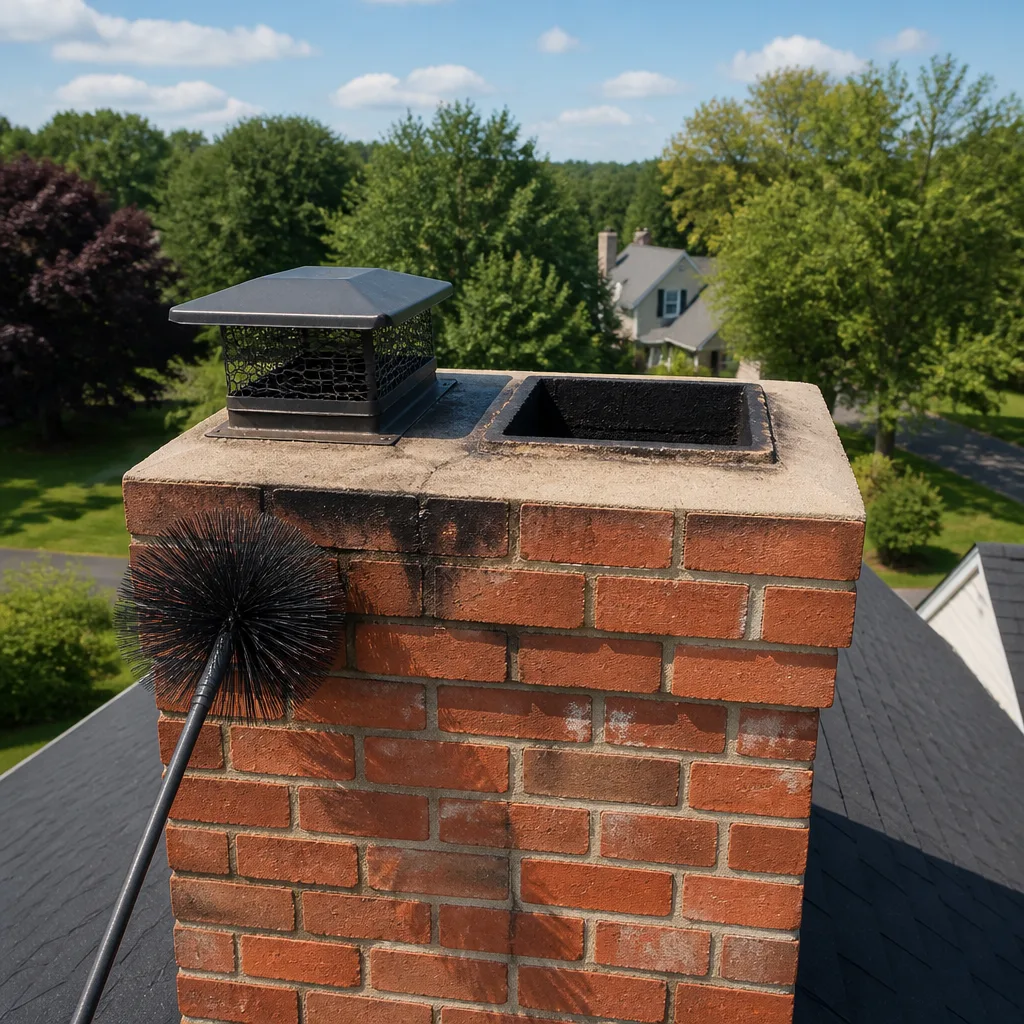 Sweep & inspection
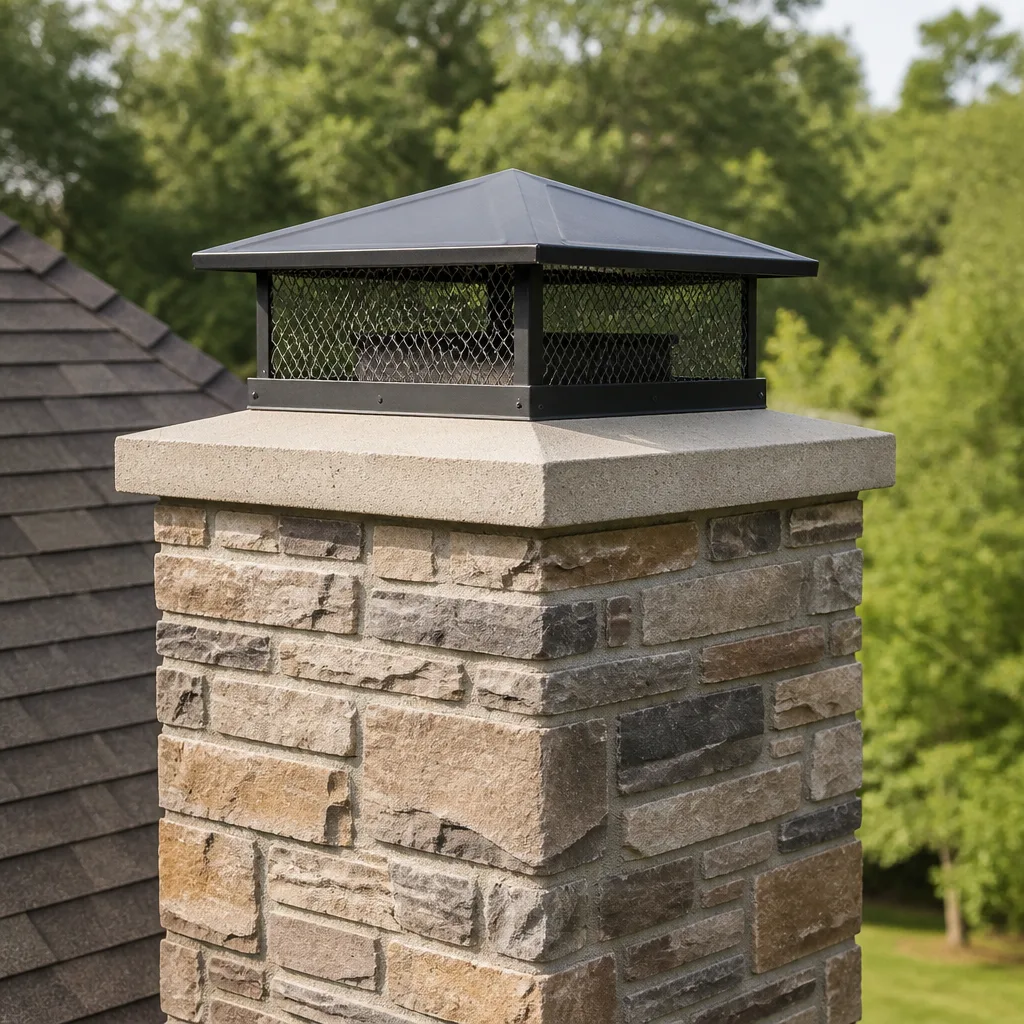 Caps & crowns
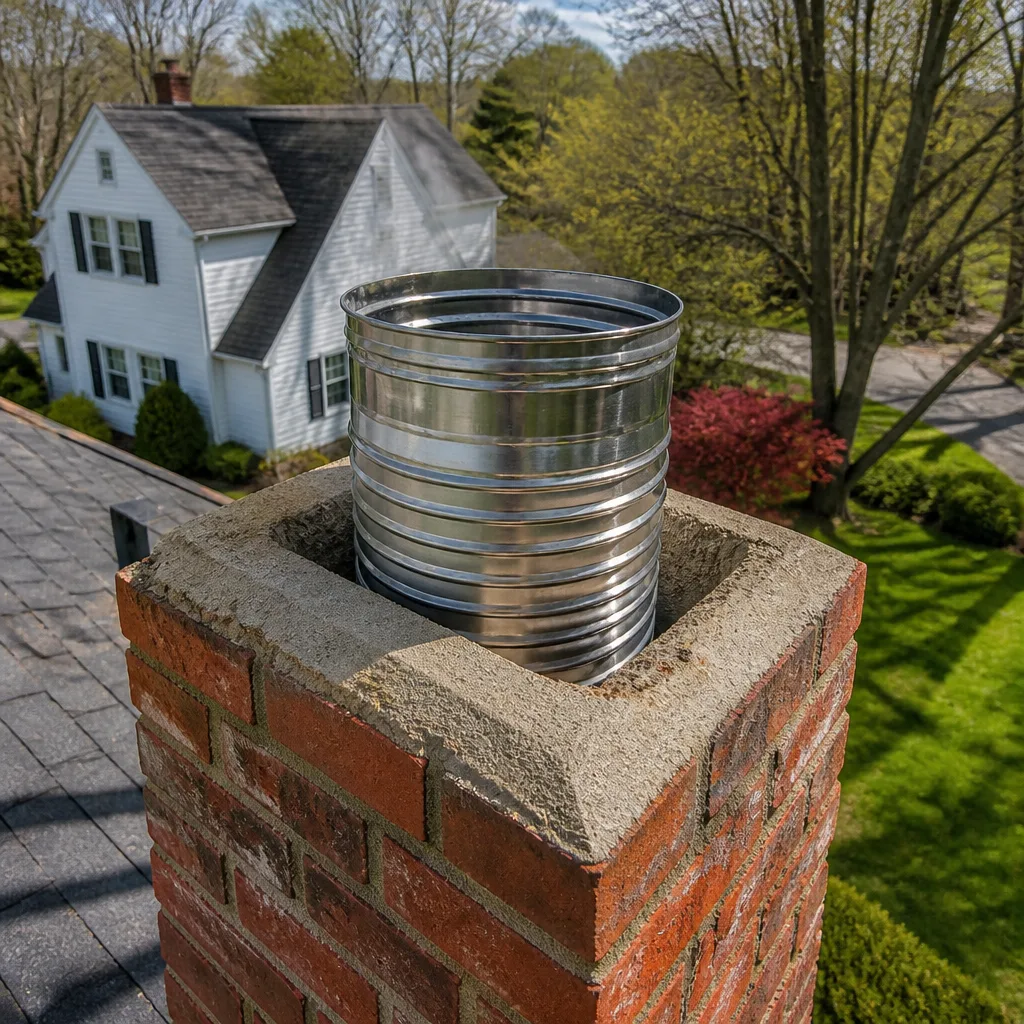 Flue relining
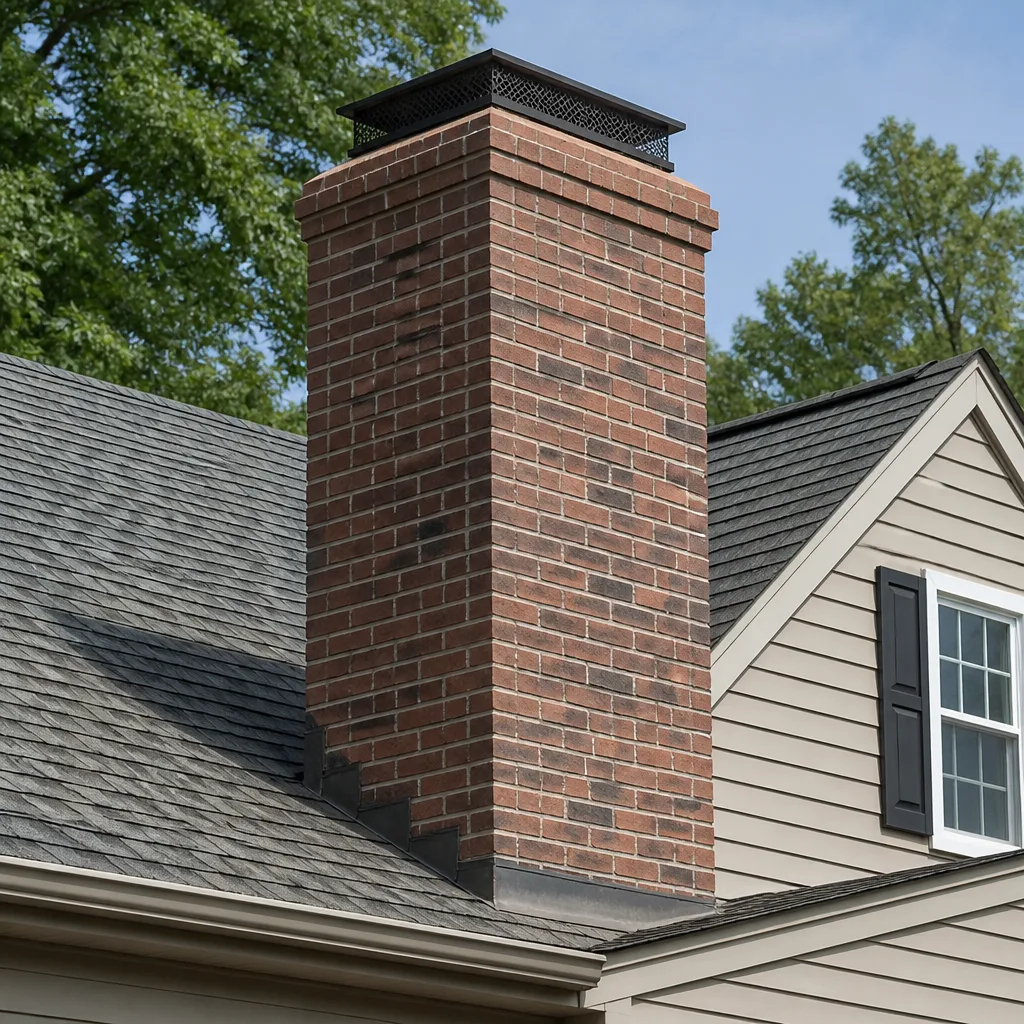 Masonry repair
 Gas fireplace service
Level 1 sweep and inspection to the NFPA 211 annual standard - flue, crown, cap, and flashing checked and photographed
Chimney sweep logs do not sweep chimneys. They loosen some creosote - which then falls where a brush and vacuum still have to collect it.
Chimney Cleaning Emergency Preparedness Guide for High Point Homes
During an active chimney fire, closing the damper is the wrong instinct. It’s the move most people make, and it’s understandable: you want to cut off the air. But choking a flue fire that way can trap combustion gases in the chimney and push intense heat into the framing around it. The right sequence takes about sixty seconds to learn and it is different for every kind of chimney emergency. This guide walks through the four situations High Point homeowners actually run into – a live flue fire, carbon monoxide symptoms, an animal stuck in the flue, and the paperwork that follows a scare – in the order the decisions come at you.
Quick Answer
If you suspect a chimney fire in High Point, get everyone out of the house, call 911, and do not close the damper or throw water on the fire. If you smell gas or anyone has headache, dizziness or nausea with a fire burning, treat it as carbon monoxide and evacuate immediately. Once the emergency is over, arrange a professional inspection before you use the fireplace again – the fire itself is rarely the whole problem.
Styles & brands we work with
- Sweep & inspection
- Caps & crowns
- Flue relining
- Masonry repair
- Gas fireplace service
Table of Contents
- What to do in the first 60 seconds of a chimney fire
- How to tell a flue fire from normal draft noise
- Carbon monoxide and chimney failure: when the risk is highest
- Animal intrusions: live in the flue versus dead in the flue
- What to document after a chimney emergency in North Carolina
- How to prepare before the season starts
- Common mistakes to avoid
- When to call a professional
What to do in the first 60 seconds of a chimney fire
The first sixty seconds decide how much damage a flue fire does. Creosote fires can sound violent and still be self-limiting; they can also spread into the attic or roof framing in a matter of minutes if the chimney has a crack or a thin wall. You do not have time to diagnose which kind you have. Act as if it is the serious kind, then let the fire department tell you otherwise.
Here is the sequence that works:
- Get everyone out of the house. No gathering of valuables, no checking the attic. Out the nearest door and account for every person and pet.
- Call 911 from outside. Tell them it’s a chimney fire and whether you can see flames or smoke from the top of the chimney. The fire department will check the roof and the attic for extension.
- Do not close the damper. A closed damper starves the fire of air, but it also holds heat and unburned gas inside the flue, which is exactly what you’re trying to avoid. Leave it open.
- Do not put water on the fire. Water on a hot flue can crack masonry or warp a metal liner, and it can send a steam flash back into the room.
- If you have a chimney fire extinguisher rated for creosote, and only if the fire is small and contained, you may use it from a safe distance. If you’re unsure, skip this step and stay outside.
- Stay out until the fire department clears the house.
After the emergency, the chimney still needs professional attention. A flue fire can leave cracked tiles, warped liners, and dislodged mortar in a chimney that looks fine from the ground. Before you burn again, schedule a chimney sweep and camera inspection so you know what’s actually in the flue.
How to tell a flue fire from normal draft noise
Not every loud chimney is on fire. A cold flue firing up, a downdraft on a windy night, and a stovepipe that flexes as it heats all make noise. The difference is usually in the combination of sounds and what’s coming out of the top of the chimney. Homeowners in High Point call us about this every heating season, and the answer often comes down to three signals.
Signs of a chimney fire
- A roaring or rumbling sound like a freight train or a low-flying plane coming from the flue. This is louder and more sustained than a normal draft rumble.
- A shaking or vibrating stovepipe or a fireplace insert that visibly trembles while the fire is burning.
- Flames or dense smoke visible from the top of the chimney when you step outside.
- Pieces of creosote or black flakes falling onto the roof or lawn.
- A hot smell in the room, or a warmth on the chimney breast that feels out of proportion to the fire you built.
Signs it’s probably not a fire
- Noise that starts when the fire is small and fades as the flue warms up.
- A puff of smoke into the room when you open the damper – that’s a cold flue or a draft reversal, not a fire.
- Wind-driven noise that changes with the weather outside.
When you’re not sure, erring on the side of calling 911 costs you nothing but an hour. Erring the other way can cost you the house. If the fire department finds nothing serious, call us afterward and we’ll inspect the flue so you know the state of it.
Carbon monoxide and chimney failure: when the risk is highest
Carbon monoxide is the emergency you can’t see, hear, or smell. It builds up silently and it’s produced by any fuel-burning appliance – a wood stove, a gas furnace, a gas water heater, a gas log set. In a chimney or flue system, CO gets pushed into the living space when the flue stops drafting properly. The cause is usually a blocked flue, a cracked or separated liner, a damaged cap, or a backdraft from a tightly sealed house with no makeup air.
In our experience, the risk is highest in three situations:
- The first cold snap of the season. A flue that sat cold all spring and summer may have a bird nest, a leaf plug, or a cracked mortar joint that wasn’t there last year. The first fire of the year is when those problems show up as CO.
- After a flue fire. A fire can crack the liner or pull joints apart in a way that’s invisible from the outside. The fire may go out and the house may seem fine, but the flue has lost its seal.
- During a cold snap with the house sealed up. A tightly weatherized home with a single chimney can pull exhaust back down the flue when the bath fan, dryer, or kitchen hood runs. This is common in newer High Point construction where the envelope is tight and no makeup air was designed in.
CO symptoms come on gradually: headache first, then dizziness, nausea, and drowsiness. People describe it as “just feeling off” before the headache hits. If anyone in the house feels that way while a fire or a gas appliance is running, get out and call 911. Don’t open windows and wait to see if it clears – leave and let the fire department measure the air.
Every home with a fuel-burning appliance should have a CO alarm on each floor and outside every sleeping area. Test them at the start of each heating season. And have the flue inspected annually, because a CO alarm is a backup, not a substitute for a sound liner. HeatShield resurfacing can restore a deteriorating flue without a full reliner replacement, and a DuraFlex system provides a new liner path when the original has failed outright.
Animal intrusions: live in the flue versus dead in the flue
Birds, squirrels, and raccoons get into High Point chimneys through missing or damaged caps. The response is completely different depending on whether the animal is alive or dead, and the single most dangerous thing you can do is try to smoke it out. We see this every spring nesting season and every fall when animals look for warmth. Here’s how to sort the situation.
Live animal in the flue
- Close the fireplace doors and the damper. Keep the animal from getting into the room.
- Call a professional chimney service or an animal control number, not 911. A live animal in the flue is a job for a trained handler with the right equipment.
- Do not light a fire. A fire under a live animal is cruel, it can panic the animal into a worse position, and it can damage the flue.
- Do not open the damper and wave a broom around. A panicked animal will go up and out, not always out the top, and sometimes straight into the house.
Dead animal in the flue
- Expect the smell. A dead animal in the flue produces a strong odor that gets worse when the weather warms or when you run the furnace.
- Don’t try to burn it out. Burning an animal carcass in a flue can start a fire in the animal nest material and can damage the liner.
- Have the animal removed and the flue cleaned and inspected. The nest and carcass material has to come out, and the flue needs to be checked for blockages and contamination.
- Fix the cap. Gelco and Famco caps and venting covers are made for this – a properly fitted cap that matches the flue opening keeps animals out. Improvised hardware-store screens tend to fail in the first windstorm.
After either situation, a camera inspection tells you whether the animal damaged the liner or left enough nest material behind to block the flue. Don’t skip that step, even if the removal went smoothly.
What to document after a chimney emergency in North Carolina
Your homeowner’s policy in North Carolina will pay only for what you can document. In the middle of the emergency, documentation is the last thing on your mind, but the hour after the fire is over is the window. Do it then, or you’ll be reconstructing events from memory while an adjuster asks for details you can’t provide.
Here’s the list we’d hand any High Point homeowner after a flue fire, a CO scare, or a chimney collapse:
- Photos and video from the ground. Take shots of the chimney from every angle, the roof line, the firebox interior, and the room where the fireplace is. Include the smoke damage if there is any. Take them before cleanup starts.
- A timeline of events. Write down the time you noticed the problem, the time you called 911, the time the fire department arrived and cleared the scene, and the names of any responders you spoke with. Times matter to adjusters.
- The fire department report. Ask for the incident number and a copy of the report. This is your strongest piece of documentation if the fire department responded.
- A professional inspection report with camera photos. This is where a chimney professional matters most. The report should describe the damage to the liner, the firebox, the mortar, and the cap, with photos of each. An adjuster can read a photo of a cracked tile; a verbal description is much harder to work with.
- Any contractor estimates you get. Keep every written estimate in one folder. Don’t authorize repair work before your adjuster has seen the inspection report, or you may complicate the claim.
- Receipts for anything you replaced or paid for – a hotel night, a fire extinguisher, a CO alarm replacement.
One more thing on NC policies: most homeowner policies exclude normal wear and tear, and creosote buildup that leads to a fire may be treated as a maintenance issue rather than a covered loss. Read your policy or call your agent before you assume coverage. You want to know that answer before you start spending on repairs.
How to prepare before the season starts
Almost every chimney emergency we get called about was predictable. The flue was overdue for a sweep, the cap was cracked, the liner had a known defect, or the CO alarm was dead. Prep work done before the first fire of the season is worth more than any amount of emergency response once something goes wrong.
The pre-season checklist
- Schedule an annual inspection and sweep. Once a year for wood-burning fireplaces, and every year for gas appliances connected to flues. If you burn heavily, twice a year.
- Test every CO alarm on every floor and outside every sleeping area. Replace batteries at the change of season, and replace the alarm itself per the manufacturer’s date.
- Check the cap and the crown. A missing or damaged cap lets animals and water in. A cracked crown lets water into the masonry, which shows up as a damaged liner by the middle of winter. We install Gelco and Famco caps matched to the flue, which is the difference between a cap that survives the season and one that doesn’t.
- Look at the firebox and damper. A damper that won’t open fully or seal closed is a draft problem waiting to happen. So is a firebox with missing mortar joints.
- Book a dryer vent cleaning once a year. Lint is the most common cause of dryer fires, and it’s the same category of venting problem as a blocked chimney flue. dryer vent cleaning is part of the same service call and the same inspection.
- Have the chimney inspected after any flue fire before you burn again. No exceptions.
Most of this is a one-time visit before the season, plus a CO alarm check that takes a minute. That’s the whole preparedness plan. The rest is what to do if the plan fails.
Common Mistakes to Avoid
- Closing the damper during a flue fire. It feels like the right move but it traps heat and unburned gas in the flue, which can push the fire into the framing. Leave the damper open and get out.
- Burning a fire before the first inspection of the season. A flue that sat empty all summer can hold a bird nest, a leaf plug, or a cracked joint. Light the first fire without an inspection and you might as well not have a chimney at all.
- Relying on the smell test instead of a CO alarm. Carbon monoxide has no odor. If you’re counting on your nose to catch a problem, you have no detection.
- Trying to smoke an animal out of the flue. This is the mistake we hear about most. It burns the nest material, panics the animal, and can start a fire in a flue you haven’t inspected yet.
- Cleaning up before taking photos. Adjusters don’t accept “I took care of it already.” Take the photos and write the timeline the same day, before the cleanup starts.
- Burning again immediately after a flue fire. The fire damage isn’t always visible from the firebox. Until the flue is inspected with a camera, you don’t know what’s in there, and a second fire in a damaged flue is much worse than the first.
- Assuming the insurance claim will cover it. NC homeowner policies vary widely, and creosote buildup is often excluded as maintenance. Find out what your policy says before you authorize repairs.
When to Call a Professional
Call a professional chimney service when the emergency is over and you need to know what you’re dealing with, and call before the emergency whenever you can. Specifically: after any flue fire, before lighting the first fire of the season, at the first sign of a cracked liner or a damaged cap, when a live animal is in the flue, when CO symptoms appear while a fire is running, and any time the flue hasn’t been inspected in a year. If you’re in or around High Point, we can get a camera into the flue, show you what we find, and give you a written recommendation. Chimney Sweep High Point offers free estimates in High Point – call (877) 798-3391. We answer 24/7. Fast dispatch from 7am to 7pm, Sunday through Friday.
See the difference
 Before
 After
 Before
 After
 Before
 After
Frequently Asked Questions
A roaring or rumbling sound from the flue, a shaking stovepipe, flames or dense smoke from the top of the chimney, or falling creosote flakes are the classic signs. If you have two or more of those, get out and call 911 – don’t stay inside to diagnose it. If you only have one and you’re unsure, get out anyway and call from outside.
Closing the damper starves the fire of air, which sounds good, but it also holds combustion gases and heat inside the flue and can push that heat into the framing around the chimney. The fire may go out on its own either way. The difference is how much of the structure gets damaged in the process. Leave it open.
The risk is highest on the first cold nights of the season, after a flue fire, and during a cold snap when the house is sealed up and a single flue is supporting the whole house. A blocked flue, a cracked liner, or a backdraft is the usual cause. A CO alarm on every floor is the only reliable detector, and an annual inspection catches the flue problems before they show up as symptoms. Call (877) 798-3391 for a free estimate if you want your flue checked.
Close the fireplace doors and the damper, and call a professional or animal control – not 911. Don’t light a fire and don’t try to smoke the animal out. A live animal in the flue needs to be removed by someone with the right equipment, and the flue needs to be inspected afterward for nest material and damage.
That depends on your policy and the cause. Many NC policies cover damage from a sudden chimney fire but exclude damage from long-term creosote buildup treated as a maintenance issue. The documentation you gather in the first hours – photos, timeline, fire department report, professional inspection report with camera photos – is what the adjuster will rely on. Call your agent before you authorize repairs.
Once a year for a wood-burning fireplace, and every year for a gas appliance connected to a flue. If you burn wood heavily through the winter, twice a year is safer. The rule homeowners should think of: sweep before the first fire of the season, not after the first scare. Call (877) 798-3391 to get on the schedule before the cold weather arrives.
The Bottom Line
The right response to a chimney emergency is a short, specific sequence, and almost nobody knows it until they need it. Get out for a flue fire, leave the damper open, and call 911. Treat CO symptoms as an evacuation, not a wait-and-see. Never smoke an animal out of a flue. Take photos and write a timeline the same day, because your NC policy pays on documentation. And do the prevention work before the season, because the emergencies that don’t happen are the ones you don’t have to recover from. If you want your flue checked before the first fire, call us and we’ll show you what’s in there.
Ready to schedule? Chimney Sweep High Point handles sweeping, repair, relining with DuraFlex and HeatShield, and dryer vent cleaning. Call (877) 798-3391 for a free estimate. We answer 24/7. Fast dispatch from 7am to 7pm, Sunday through Friday.
Written by the team at Chimney Sweep High Point.