
Last updated November 14, 2026
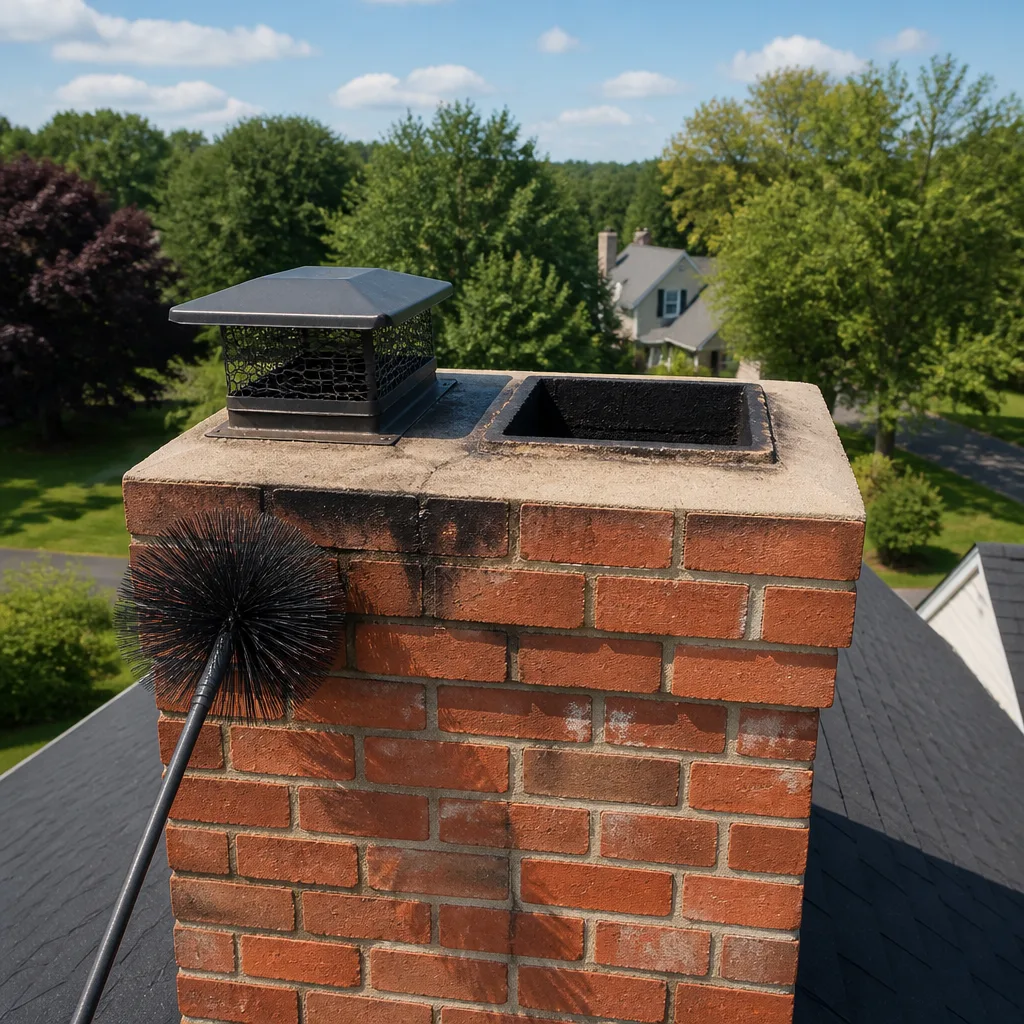 Sweep & inspection
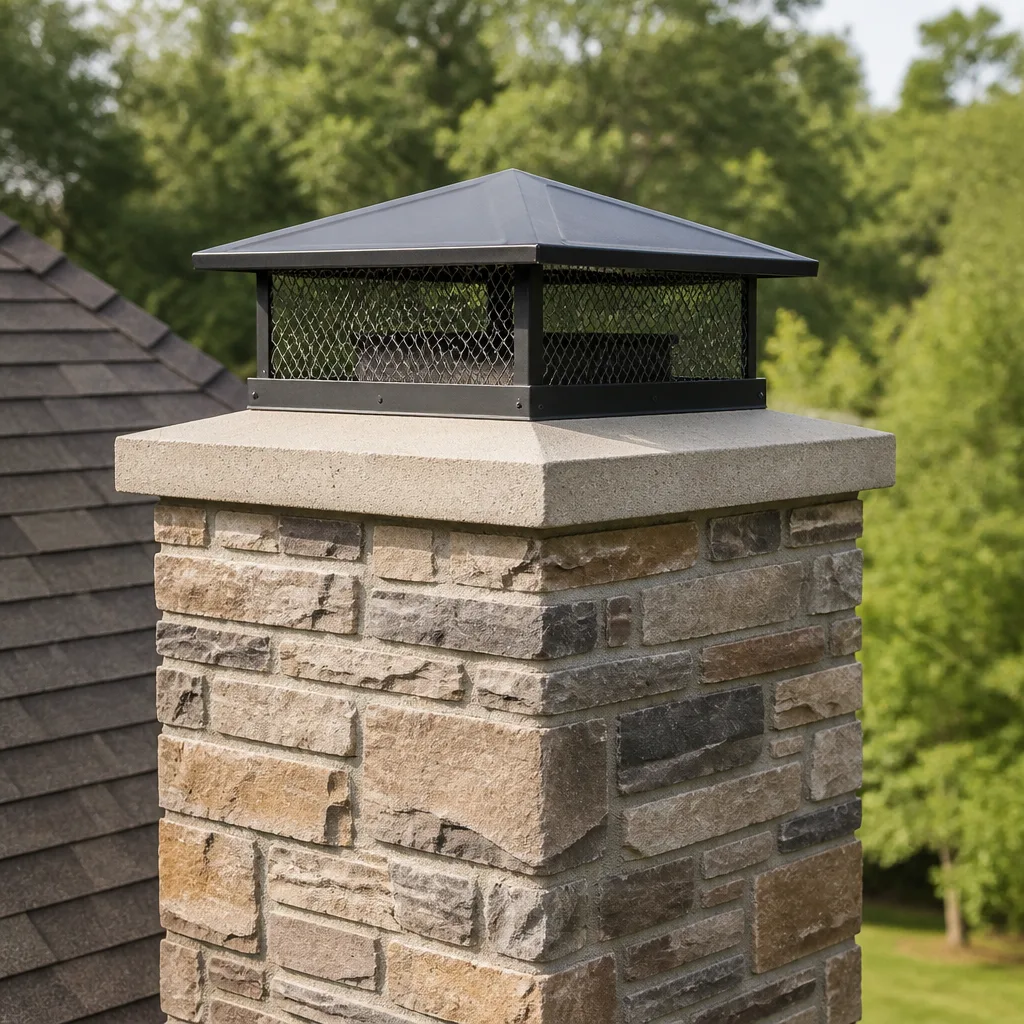 Caps & crowns
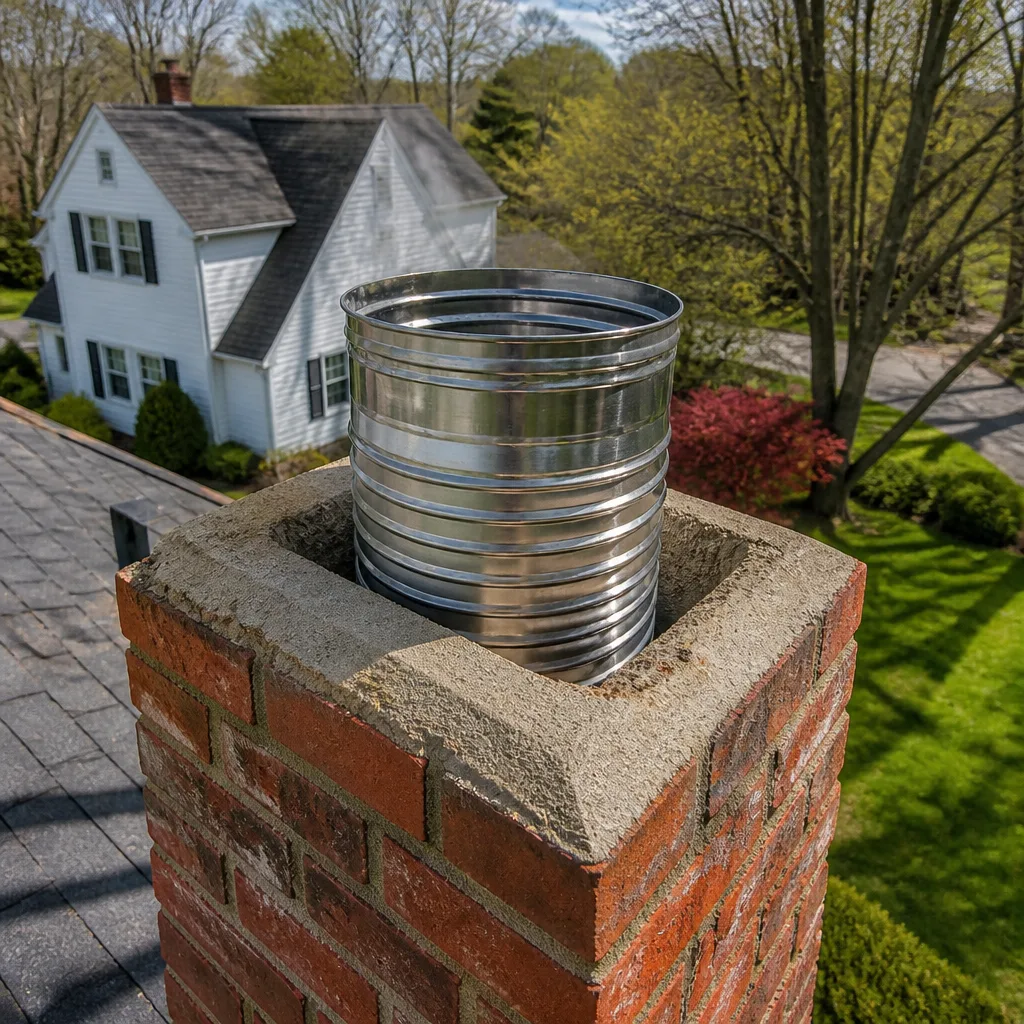 Flue relining
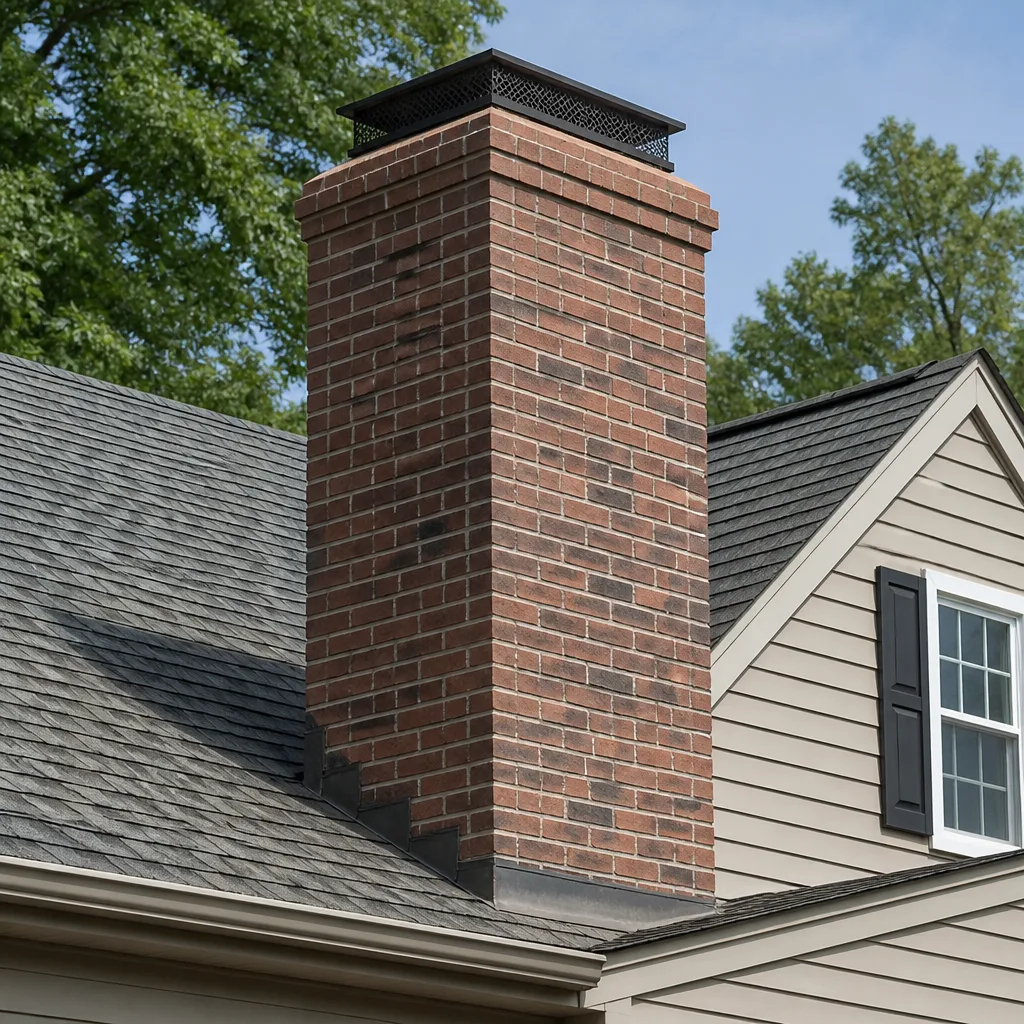 Masonry repair
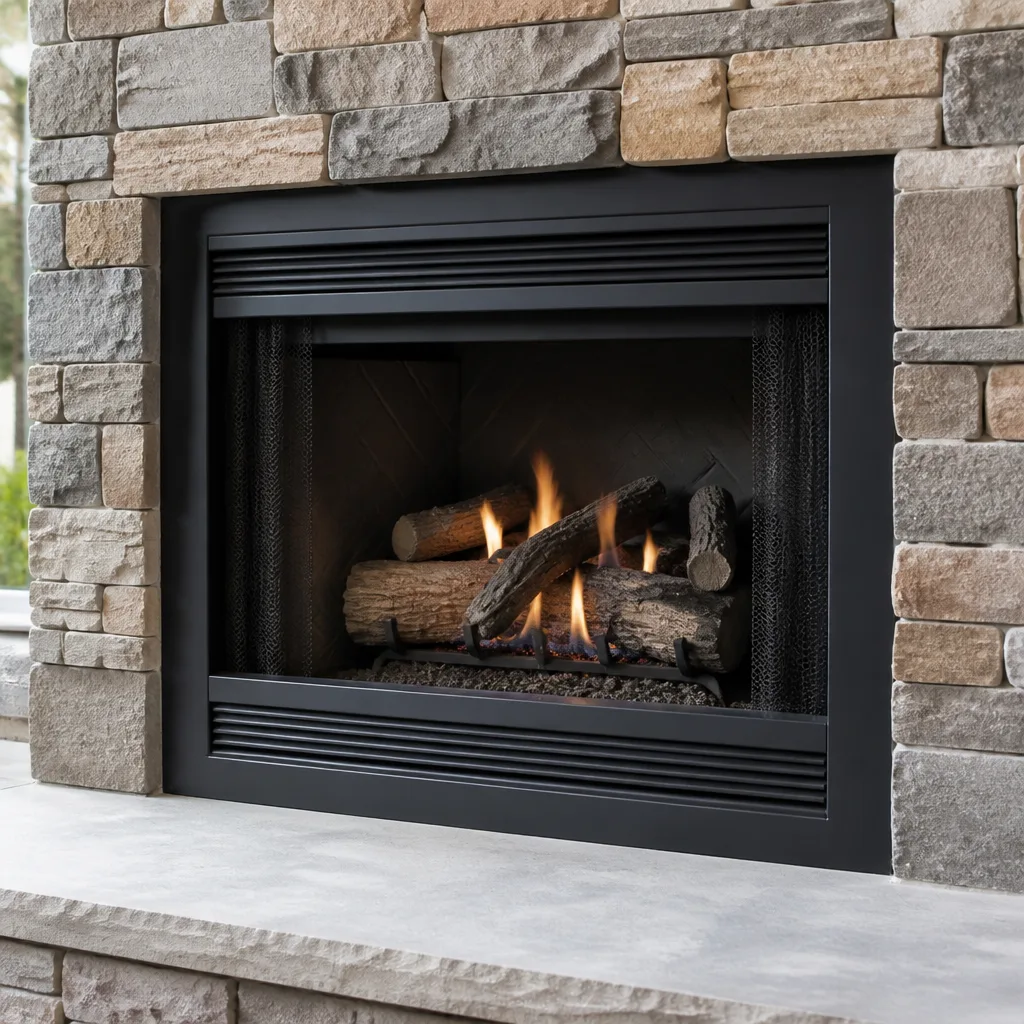 Gas fireplace service
Level 1 sweep and inspection to the NFPA 211 annual standard - flue, crown, cap, and flashing checked and photographed
Chimney sweep logs do not sweep chimneys. They loosen some creosote - which then falls where a brush and vacuum still have to collect it.
Choosing the Right Chimney Cleaning Brand: A Buyer’s Guide for High Point
Most homeowners never ask what brand of liner or sealant their contractor is installing. They ask about price, they ask when the crew can come, and they assume the material behind the wall is a commodity. It isn’t. The liner in your flue and the sealant on your smoke chamber carry different listings, different temperature ratings and different warranty terms depending on who made them, and none of that shows up on a quote that just says “stainless liner.” This guide explains how to read the brands a chimney company uses in High Point, what UL 1777 testing actually covers, how to verify that the material you were quoted is the material going into your chimney, and why a cheaper product today can cost more than the job it was meant to fix.
Quick Answer
The brand of chimney cleaning and repair material matters because a UL 1777-listed liner system from a recognized manufacturer meets a published test standard while a generic import often doesn’t, and your chimney’s code compliance, insurability and warranty all rest on that listing. In High Point, ask any contractor for the manufacturer name on the liner, sealant and cap before work begins, then confirm it on the packaging and the warranty paperwork. Trade-grade brands like DuraFlex, HeatShield, Olympia Chimney, Gelco and Famco are what professional crews specify because the products carry documentation you can actually verify.
Styles & brands we work with
- Sweep & inspection
- Caps & crowns
- Flue relining
- Masonry repair
- Gas fireplace service
Table of Contents
- Why the Brand Behind the Chimney Cleaning Matters
- What UL 1777 Certification Actually Tests
- The Professional-Grade Manufacturers and What Sets Them Apart
- Chimney Sealants and Coatings: Why Substitution Is a Problem
- How to Verify the Brand You Were Quoted
- Material Quality and the True Cost Picture
- Questions to Ask Before You Book a Sweep in High Point
- Matching the Material to Your Appliance and Your Chimney
Why the Brand Behind the Chimney Cleaning Matters
Chimney cleaning sounds like the simplest service in the trade. A brush goes down the flue, creosote comes out, the technician checks the firebox and writes a report. In practice, the visit is an inspection with a cleaning attached, and what the technician finds determines what gets recommended next. The recommendation almost always involves a product: a liner, a crown coating, a top-seal cap, a smoke chamber parging compound. That product has a manufacturer, a listing and a warranty, or it doesn’t.
This is where homeowners in High Point get caught out. Chimney work is mostly invisible once it’s finished. A liner disappears behind the damper frame. A resurfaced smoke chamber is closed off by the firebox. Because you can’t see the completed work the way you’d see a new roof, the only reliable evidence of what went in is paperwork: the labeled packaging, the manufacturer’s installation instructions, the warranty registration card. If the contractor can’t produce any of that, you have no way to know what’s in your chimney.
We’ve seen the difference play out in how a job is quoted. A quote that names DuraFlex, HeatShield or Olympia Chimney is telling you something specific about the supply chain behind it. A quote that says “stainless steel liner, installed” is telling you almost nothing. The same gap applies to chimney sweep visits themselves: a technician who knows the products also knows what to look for while the flue is open, and that changes what the report says.
There’s a second reason the brand matters in this region. High Point sits in the Piedmont, which means humid summers, a real heating season, and houses old enough that original masonry chimneys are common. Materials have to hold up through both wet and dry cycles. A product that performs in a dry climate can fail here if the sealant or crown coating isn’t rated for freeze-thaw movement. Manufacturer specs exist precisely to answer that question, and a brand name is how you get to them.
None of this means the contractor’s technique doesn’t matter. It does, and it matters enormously. The point is that technique and material are two halves of the same job, and homeowners are usually only equipped to evaluate one of them.
What UL 1777 Certification Actually Tests
UL 1777 is the safety standard for chimney liners, and a liner that carries it has been tested as a system rather than as a length of metal tube. That distinction is the whole point. The test standard evaluates how a liner behaves when a chimney fire drives flue temperatures far past normal operating range, how the joints and seams hold, how the assembly handles thermal expansion, and whether the combination of liner, insulation and connection method stays intact under those conditions.
Three things follow from that, and each one has a practical consequence for a High Point homeowner.
- Code compliance. Most building codes and appliance manufacturers require a listed liner for a reason. An unlisted product installed in a flue is a question mark at inspection time, and if the installation is ever reviewed, the listing is the first thing checked.
- Insurance. A chimney fire claim can turn on whether the liner met the standard in force at installation. An insurer has no obligation to accept a homeowner’s word that the material was adequate, and the manufacturer’s listing is what settles the question.
- Warranty. A manufacturer’s warranty is written against a tested product. If the liner in your chimney wasn’t made by a manufacturer with a listing, there is no warranty to claim against when the product fails.
Here’s the part almost nobody explains: UL 1777 applies to the liner system, and a system includes insulation and the connection to the appliance. A listed flexible liner installed without its matching insulation is no longer the tested assembly. That’s why trade-grade products come with manufacturer instructions that specify exactly how they’re meant to be installed, and why a technician who improvises with hardware-store hardware has quietly voided the listing.
Ask any company quoting a reline in High Point one direct question: “Is this a UL 1777-listed system, and will I get the manufacturer’s documentation?” If the answer is vague, the listing probably doesn’t exist.
The Professional-Grade Manufacturers and What Sets Them Apart
Professional chimney crews work with a fairly short list of manufacturers, and the names come up repeatedly because the products are engineered for the specific conditions of chimney work. DuraFlex makes flexible stainless liner systems used in relines, including the insulation kits that keep the assembly listed. HeatShield makes a repair-grade resurfacing system for flues and smoke chambers, which we use when the flue structure can be restored rather than replaced. Olympia Chimney supplies liner systems and components across the trade. Gelco and Famco supply caps, covers and venting components that are engineered to fit specific flue sizes rather than approximated from whatever the hardware store has.
What separates these from generic alternatives isn’t a marketing claim. It comes down to four things you can check.
- Published specifications. A real manufacturer publishes temperature ratings, material grades, thickness tolerances and installation instructions. If you can’t find a spec sheet for a product, that’s the finding.
- A traceable warranty. Trade-grade products are registered to the homeowner and the installation. That record follows the house.
- Consistent composition. Alloy grade and wall thickness in a liner aren’t cosmetic details; they determine how the product behaves at temperature. Generic imports vary here, and the variance isn’t visible once the liner is installed.
- Component fit. Caps and venting components from Gelco and Famco are made to match specific flue dimensions. A cap that doesn’t seat correctly lets water in, and water intrusion is one of the most common causes of masonry damage we see in High Point.
The practical takeaway for a homeowner is simpler than the list. When a contractor names the manufacturer, the manufacturer has a spec sheet, the warranty is registerable, and the parts fit as designed. When a contractor names a product category and nothing else, none of those are true.
Chimney Sealants and Coatings: Why Substitution Is a Problem
Resurfacing products get substituted more often than liners, because the substitution is invisible and the price difference is real. A smoke chamber parging compound is not standard mortar. It’s formulated to bond to a surface that goes through repeated heat cycles, and it has to hold without cracking when the masonry around it expands and contracts. Standard mortar is a structural binding agent for laying brick. It isn’t designed for the inside of a smoke chamber, and it behaves differently at temperature.
HeatShield resurfacing is the clearest example of a product built for this job. It restores flue and smoke chamber integrity as a repair-grade system, which means a flue with deteriorated but structurally sound masonry can sometimes be restored rather than relined. That’s a meaningful difference in scope and cost. It only works, though, if the product is the actual system applied to the manufacturer’s specification. A crew that mixes a generic refractory cement and calls it resurfacing isn’t delivering the same result, and you won’t know from the finished firebox.
Two practical checks apply to any coating or sealant work in High Point:
- Ask for the product name and the manufacturer’s application instructions. A legitimate installer can hand these over.
- Confirm the warranty covers the product as installed, not just the labor.
Crown coatings and top-seal products follow the same logic. The Piedmont’s wet winters and humid summers put real stress on a chimney crown, and a coating that isn’t rated for that movement will crack. When it cracks, water gets into the masonry below, and the repair that follows is far larger than the coating would have been. We use trade-grade sealants for exactly this reason: the failure mode is expensive and slow, which means it’s easy to miss until the damage is done.
How to Verify the Brand You Were Quoted
Verification is the step almost no homeowner takes, and it’s the one that protects the money. You don’t need technical knowledge to do it. You need to ask for evidence at three points in the job.
- Before booking. Ask for the manufacturer name of every product in the quote, in writing. A chimney liner quote should name the liner manufacturer and the insulation system. A resurfacing quote should name the sealant. A cap quote should name the cap maker.
- On the day of the work. Ask to see the labeled packaging for the materials going in. Labels on boxes and rolls carry the manufacturer’s name and the product code. This is a normal request, and any professional crew will expect it.
- After the work. Ask for the manufacturer’s warranty registration in your name, along with the installation paperwork. Keep it with your home records. If you sell the house, that documentation is evidence the work was done to standard.
You can also cross-check on your own. Manufacturer spec sheets are published and easy to find. If the product named on your quote has no spec sheet, that’s not a detail to overlook. If the packaging doesn’t match the quote, ask why before the crew leaves.
Finally, look at what the invoice says. A receipt that lists materials by manufacturer and product is a document you can use later. A receipt that says “chimney repair” tells you nothing. In our experience, a company that sources from brands like Olympia Chimney or DuraFlex doesn’t hesitate to put the names on paper, because the paper is part of what they’re selling.
Material Quality and the True Cost Picture
A cheaper liner installed today that isn’t rated for your appliance type is a liability, not a savings. That’s the sentence to carry through the rest of this guide. The reason is that chimney work doesn’t fail visibly and gracefully. It fails inside the structure, where the first sign is often water staining on a ceiling or a draft problem that takes a season to notice.
Consider what the low-cost path actually involves. An unlisted liner saves money at installation. It also voids the code compliance question, leaves nothing to claim against if it fails, and may not satisfy an insurer after a chimney fire. If the flue then has to be relined properly, the homeowner has paid for the work twice. The same logic applies to sealants and caps: a cap that doesn’t fit properly lets water into a chimney that then needs masonry repair, and masonry repair is a much larger job than a correctly fitted cap.
A better way to think about the cost is to compare complete systems rather than line items.
- Routine sweep and inspection. The annual visit that establishes what condition the flue is in. This is the foundation of every other decision on the chimney.
- Targeted repair. Resurfacing with HeatShield where the masonry allows. This is often the lower-cost path compared with a full reline, and the assessment determines which applies.
- Full reline. A DuraFlex or comparable listed stainless system with its insulation, installed to manufacturer specification. Higher cost, but it’s a tested assembly with a registerable warranty.
- Ancillary venting work. Caps and covers from Gelco or Famco, fitted to the actual flue dimensions.
We give every homeowner a written estimate before work is booked, priced per job, with the products named. What we won’t do is recommend a reline on a chimney that can be resurfaced, or a repair on a chimney that simply needs a sweep. Nothing goes on the estimate that isn’t supported by what we see on camera, and we’ll tell you plainly when work can safely wait.
Questions to Ask Before You Book a Sweep in High Point
The questions below separate a company that knows its materials from one that sources whatever is on hand. Ask them before the visit, not after.
- “What brand of liner do you install, and is it UL 1777-listed as a system?” The answer should name a manufacturer and come with documentation.
- “Can you show me the packaging on the day?” A crew with nothing to hide will hand it over.
- “Will I get the manufacturer’s warranty in my name?” This is the record that survives the job.
- “What’s the resurfacing product, if I need one?” HeatShield or an equivalent repair-grade system, not standard mortar.
- “Who makes the cap, and how is it sized?” A cap from a manufacturer like Gelco or Famco fitted to the flue is different from a universal piece of hardware.
- “Do you do camera inspection, and will I see the photos?” The inspection is the whole basis for any recommendation.
We answer all of these on the call, and we put the material names on the estimate. For a closer look at how a visit works locally, see our High Point service information. If your dryer vent is also overdue, that’s a separate fire risk most homeowners overlook, and our dryer vent cleaning service covers it under the same call.
Matching the Material to Your Appliance and Your Chimney
The right material for your chimney depends on what’s venting through it, and this is where a generic liner recommendation breaks down fastest. A wood-burning fireplace, a wood stove insert and a gas appliance each produce different exhaust conditions, and the liner has to be rated for the one in the house. A product rated for one application isn’t automatically rated for another.
The chimney itself matters as much as the appliance. An exterior masonry chimney in High Point behaves differently from an interior one, and an older chimney with an oversized flue may need different treatment from a newer one. That’s why the inspection comes first. The technician has to see the flue’s dimensions, the condition of the masonry and the appliance connection before specifying a product, and the recommendation should point back to the specific conditions observed.
We work with a defined roster of trade-grade brands, not an unlimited catalog: DuraFlex and HeatShield for liners and resurfacing, Olympia Chimney and Copperfield for components, Gelco and Famco for caps and venting. These are the brands professional chimney crews buy, and working with a focused set is part of why a recommendation can be specific. It also means we can tell a homeowner when a product genuinely fits the chimney and when the problem needs a different approach entirely.
Two words of caution on high-heat components. The interior of the flue and the smoke chamber are dangerous spaces, especially around a deteriorated smoke shelf or damaged masonry, and nothing in this guide is an instruction to work inside a chimney yourself. That work belongs with a trained professional. The same goes for dryer venting behind an appliance: the risk there is vent buildup, and the fix belongs with someone who can inspect the full run.
Common Mistakes to Avoid
- Accepting a quote with no brand names on it. A quote that says “stainless liner” without naming a manufacturer gives you nothing to verify. Ask for the name in writing before booking.
- Assuming brand loyalty is a sales pitch. Naming a manufacturer is what makes a warranty and a spec sheet possible. In High Point, where humid summers and real heating seasons stress the masonry, the spec sheet matters more, not less.
- Skipping the packaging check. The label on the box is the cheapest verification available. It takes a minute and it’s the whole point.
- Filing the warranty paperwork in a drawer and forgetting it. Keep the certificate with your home records. If the house is ever sold or an insurance question comes up, that paper is the answer.
- Letting a contractor substitute mortar for a parging compound. Standard mortar isn’t formulated for a smoke chamber’s heat cycles. The substitution is invisible until it fails.
- Accepting a reline recommendation without seeing the evidence. You should be able to look at the camera footage yourself. If you can’t, ask for a copy.
- Booking a sweep and skipping the dryer vent. Lint buildup behind the dryer is a fire risk that a chimney sweep visit won’t catch. Handle both under one call rather than discovering the second problem later.
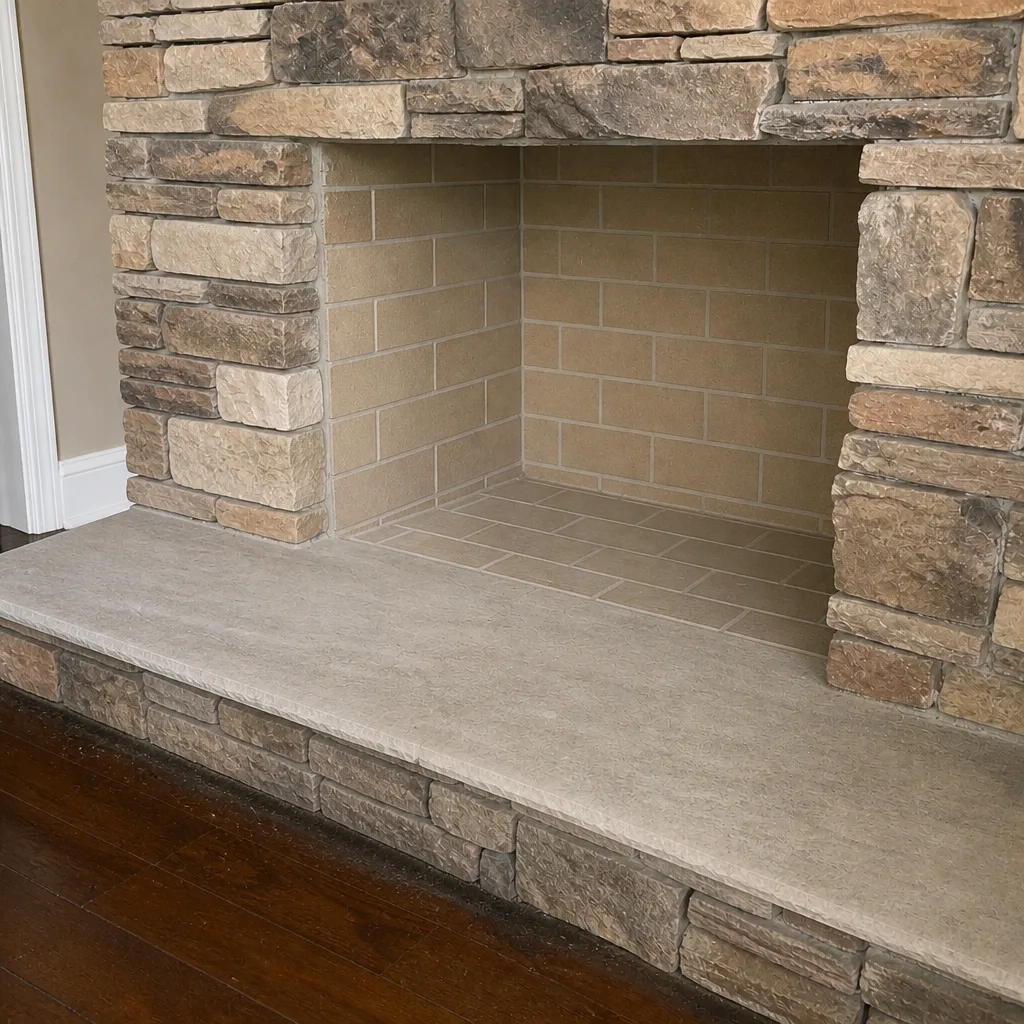
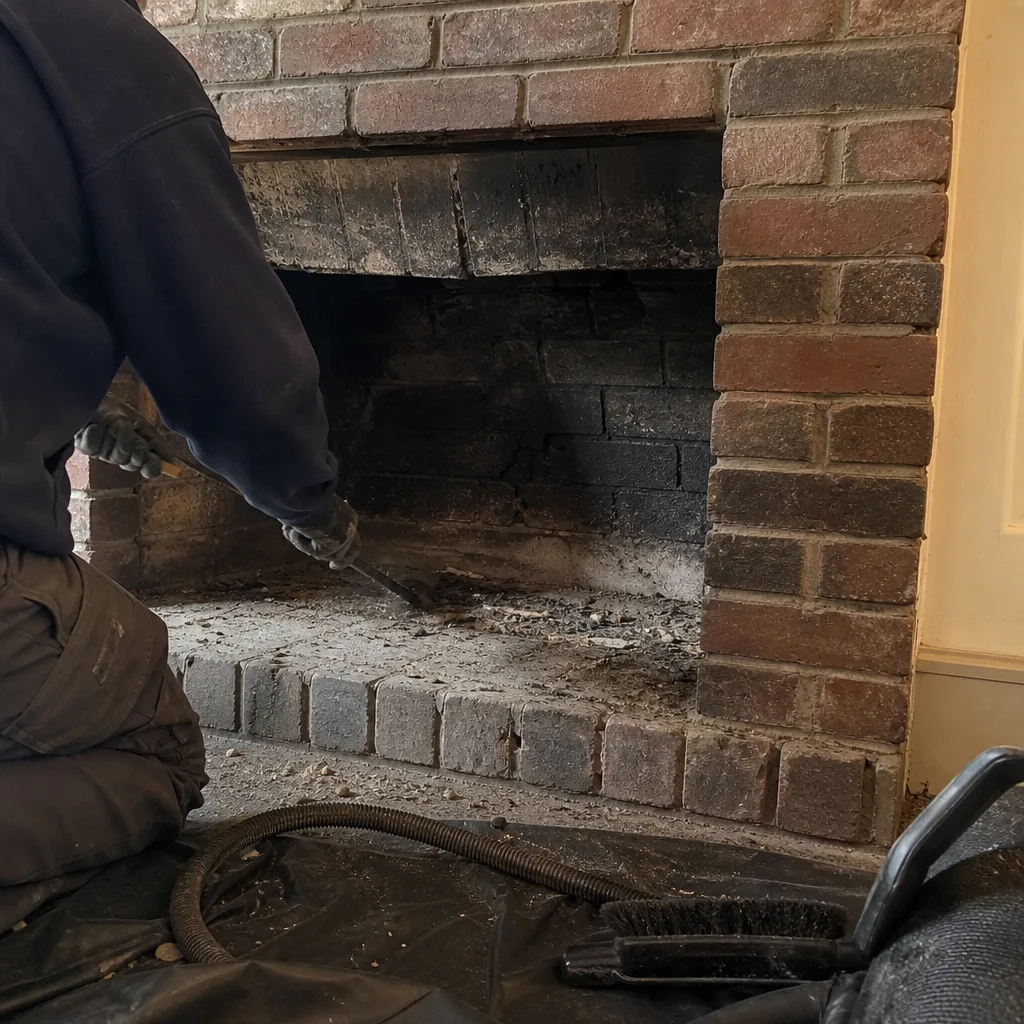
See the difference
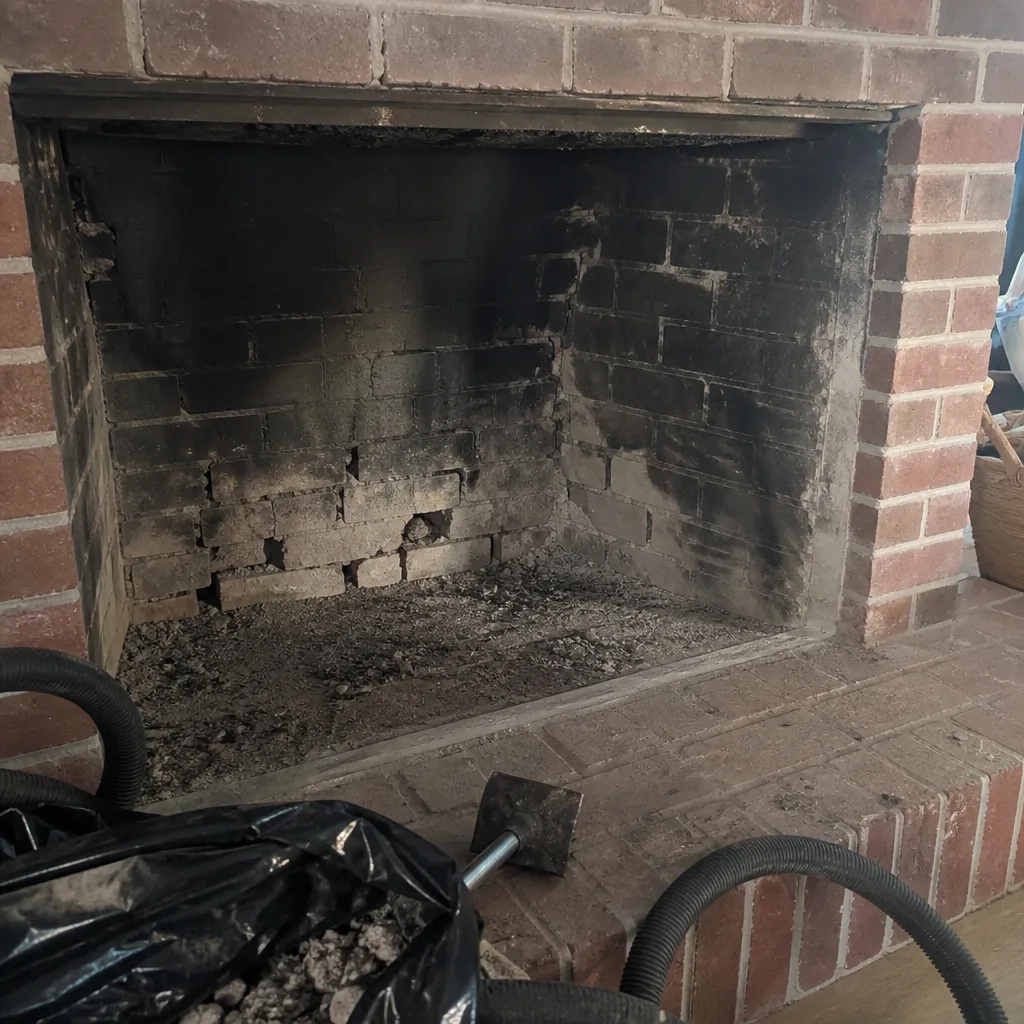 Before
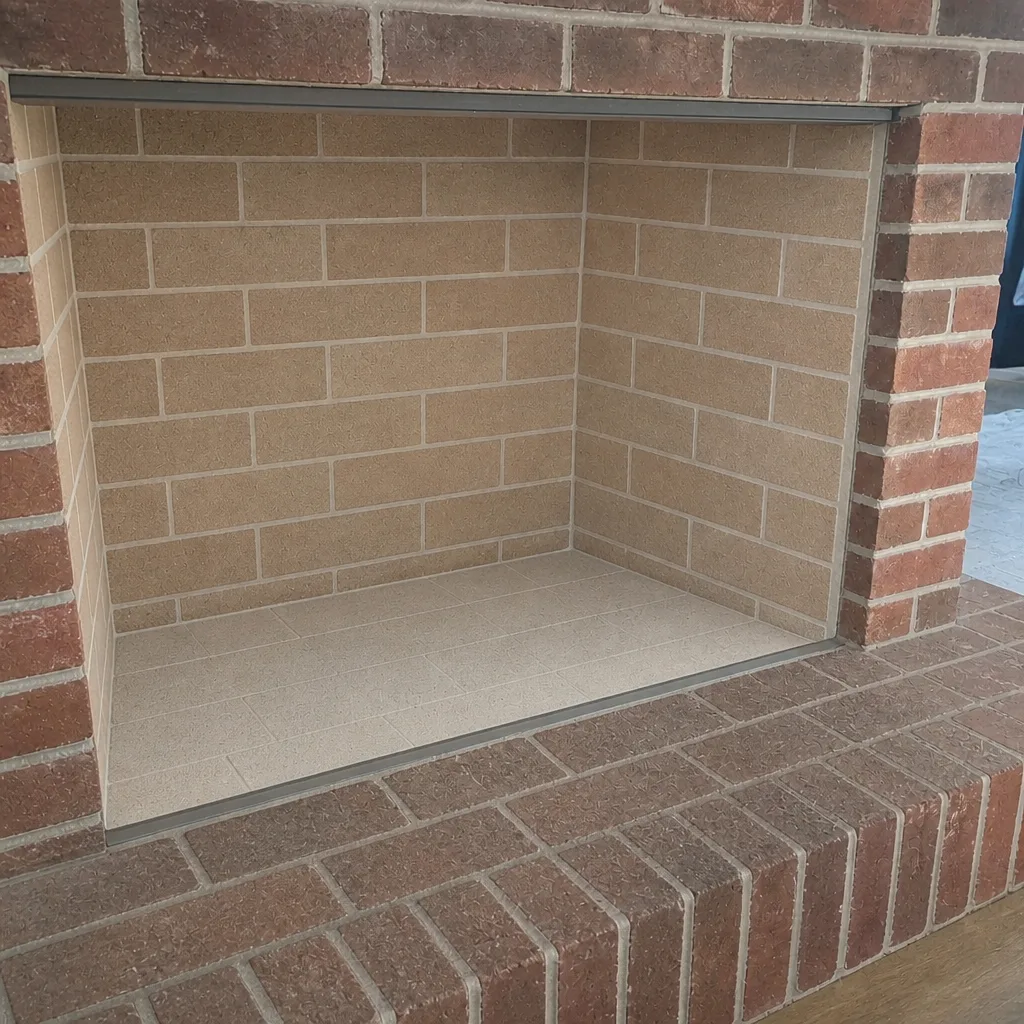 After
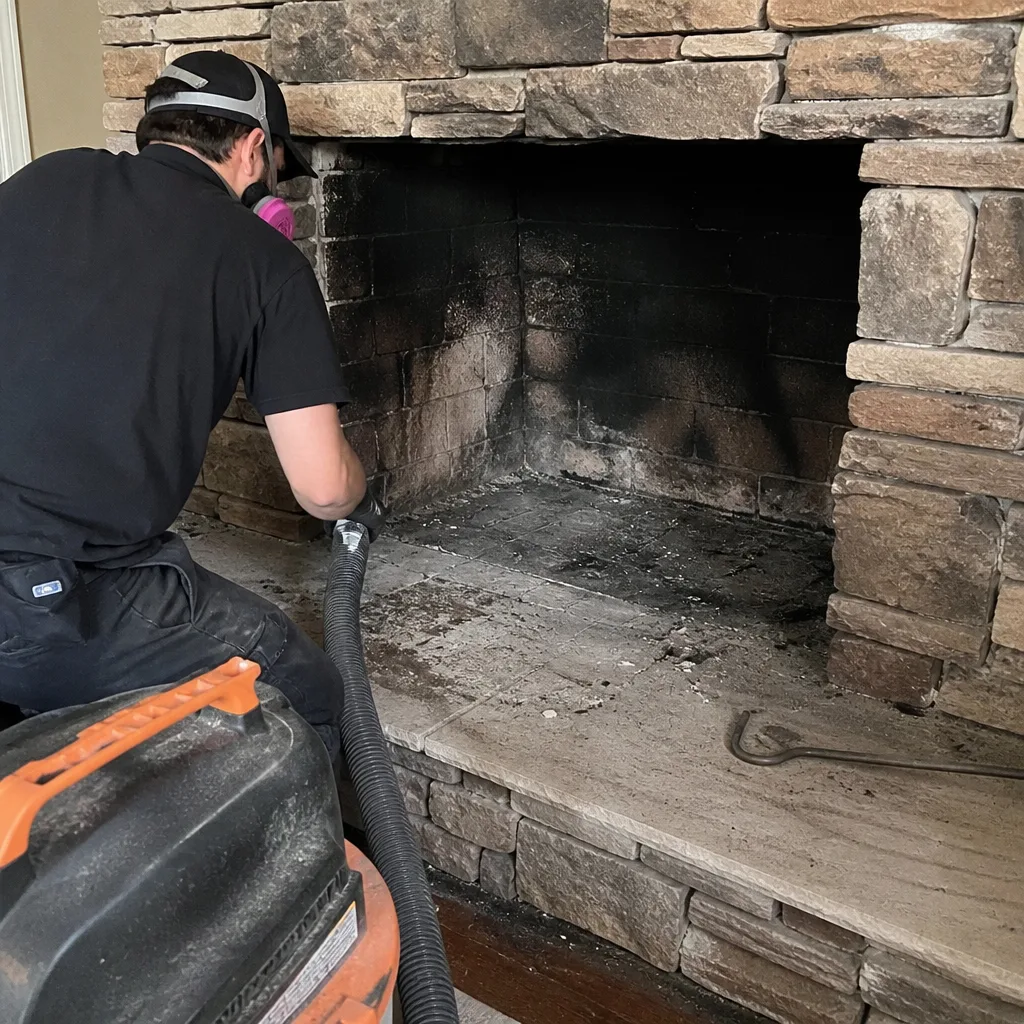 Before
 After
 Before
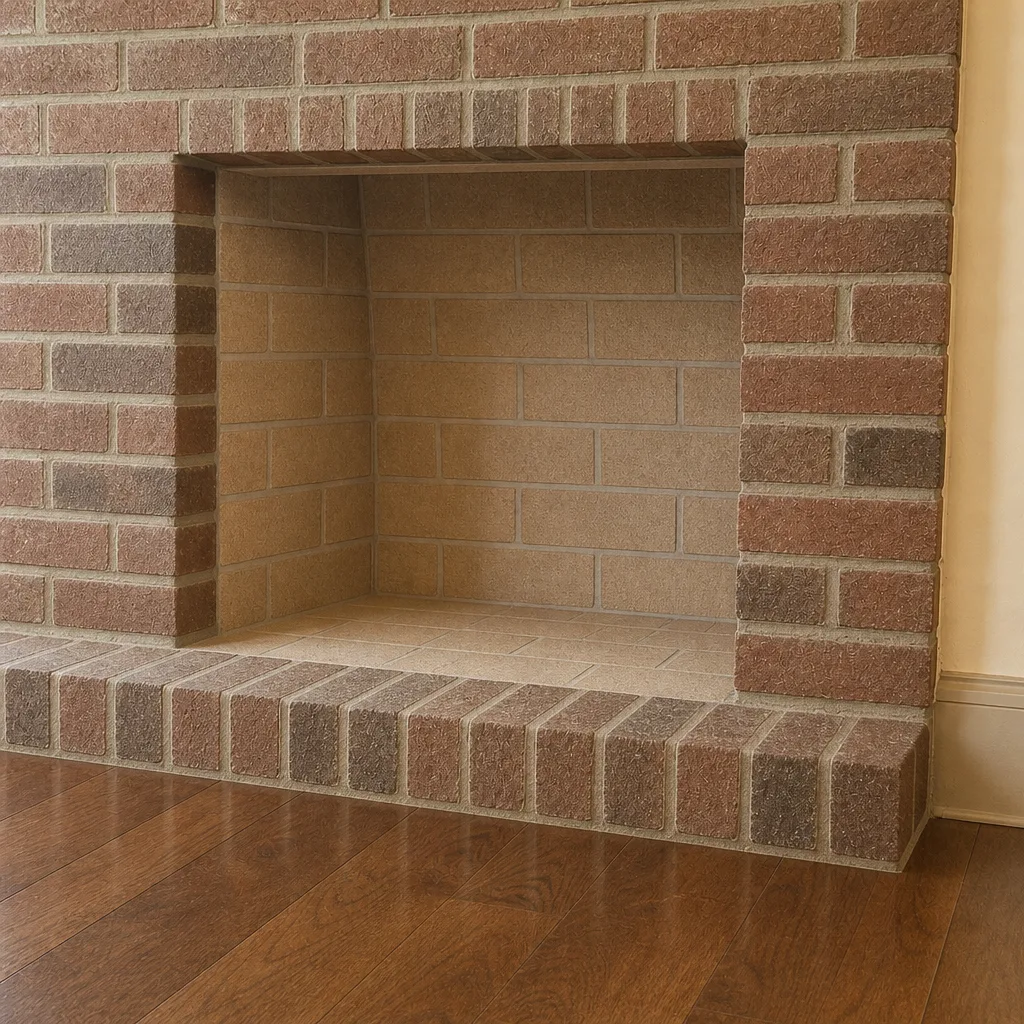 After
When to Call a Professional
Call a professional when the flue hasn’t been swept in a season of heavy use, when there’s smoke coming back into the room, or when there’s visible water staining or crumbling masonry on the chimney exterior. Call before the first cold snap if the fireplace is going back into service, and call if you’ve never seen an inspection report for the house. Call right away if the appliance itself has been behaving differently or if you notice a strong smell from the flue in warm weather. And call for the dryer vent if it runs long or the dryer is taking more than one cycle to dry a load.
Chimney Sweep High Point offers free estimates in High Point. Call (877) 798-3391. We answer 24/7. Fast dispatch from 7am to 7pm, Sunday through Friday.
Frequently Asked Questions
Yes, because a UL 1777-listed liner from a recognized manufacturer has been tested as a system and comes with published specifications and a registerable warranty, while a generic import often has neither. The listing is what determines whether the installation is code compliant and what an insurer will accept after a chimney fire. Ask for the manufacturer name and the documentation before work begins. Call (877) 798-3391 for an exact quote on a reline in High Point; estimates are free.
You can, using three checkpoints. Ask for the brand names in writing on the quote, ask to see the labeled packaging on the day of the work, and ask for the manufacturer’s warranty registration in your name afterward. A company sourcing trade-grade products expects these requests. If any of the three can’t be met, that’s the finding. Call (877) 798-3391 with the product name on your quote and we’ll tell you what it’s rated for.
HeatShield is a repair-grade resurfacing system that restores deteriorated flue and smoke chamber surfaces when the masonry is still structurally sound, while a reline replaces the flue path entirely with a listed stainless system like DuraFlex. The right choice depends on the inspection, and resurfacing is often the smaller job. Nothing gets recommended without camera evidence you can review. Call (877) 798-3391 to book an inspection in High Point; estimates are free.
Standard mortar is a structural binding agent for laying brick, not a heat-cycle coating for the inside of a smoke chamber. A proper parging compound is formulated to bond and stay intact across repeated heating and cooling, and it’s covered by the manufacturer’s warranty as an installed system. Substitute material is invisible from the finished firebox until it fails. Call (877) 798-3391 if you’ve been quoted resurfacing and want the product named on the estimate.
It’s a problem anywhere, and this region adds its own reasons. Humid summers and wet winters work on the masonry, and a liner system that isn’t tested for the full assembly along with its insulation leaves the homeowner with no warranty, no listing and an open question at insurance time. The savings at installation are real; so is the cost of redoing the work. Call (877) 798-3391 for a free estimate with the materials named on it.
Yes, and it’s a dedicated service rather than an afterthought. Lint buildup in a dryer vent is a fire risk a chimney sweep visit won’t address, and both belong in the same call. We inspect the full run and handle the cleaning properly. Call (877) 798-3391 to book the sweep and the dryer vent together. We answer 24/7. Fast dispatch from 7am to 7pm, Sunday through Friday.
The Bottom Line
The brand on the liner, the sealant and the cap is the part of a chimney job you can verify, and it’s the part that determines whether the work is code compliant, insurable and warrantied. Ask any High Point contractor to name the manufacturer before booking, check the labeled packaging on the day, and keep the warranty registration in your home records. Trade-grade products from DuraFlex, HeatShield, Olympia Chimney, Gelco and Famco exist because professional crews specify them, and a cheaper product that isn’t rated for your appliance is a liability rather than a saving. The inspection comes first, the recommendation follows the evidence, and the written estimate sets the final price.
Chimney Sweep High Point handles the full scope: sweeping, relining, structural repair and dryer vent cleaning, from one call. Call (877) 798-3391 for a free estimate. We answer 24/7. Fast dispatch from 7am to 7pm, Sunday through Friday.
Written by the team at Chimney Sweep High Point.