
Last updated November 14, 2026
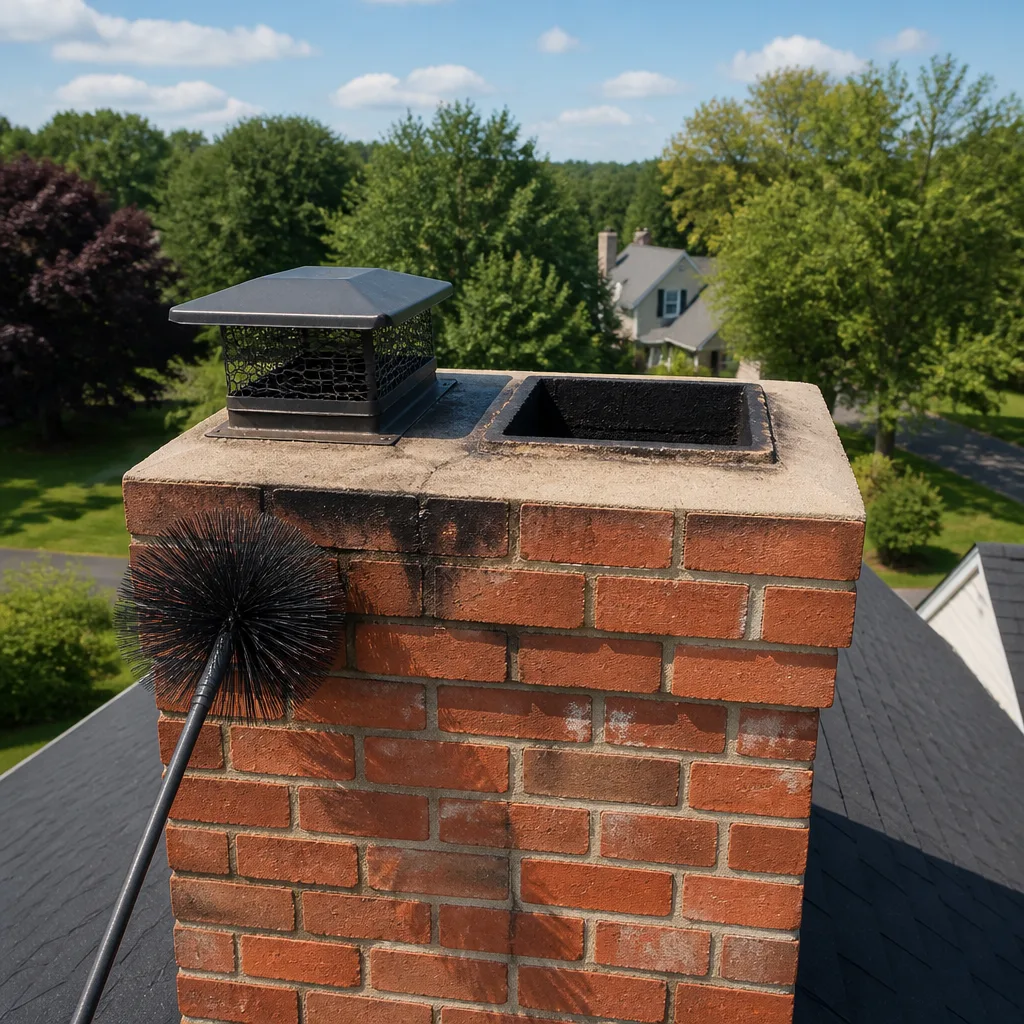 Sweep & inspection
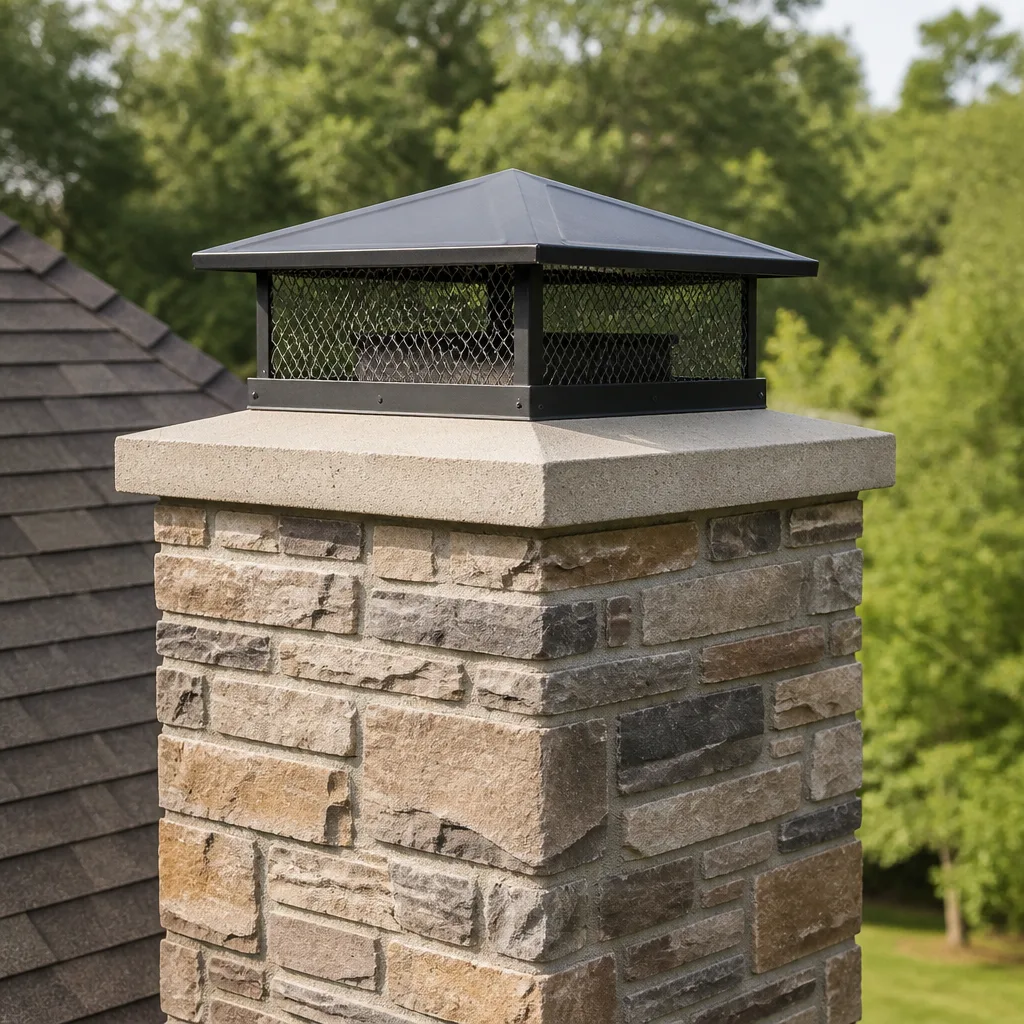 Caps & crowns
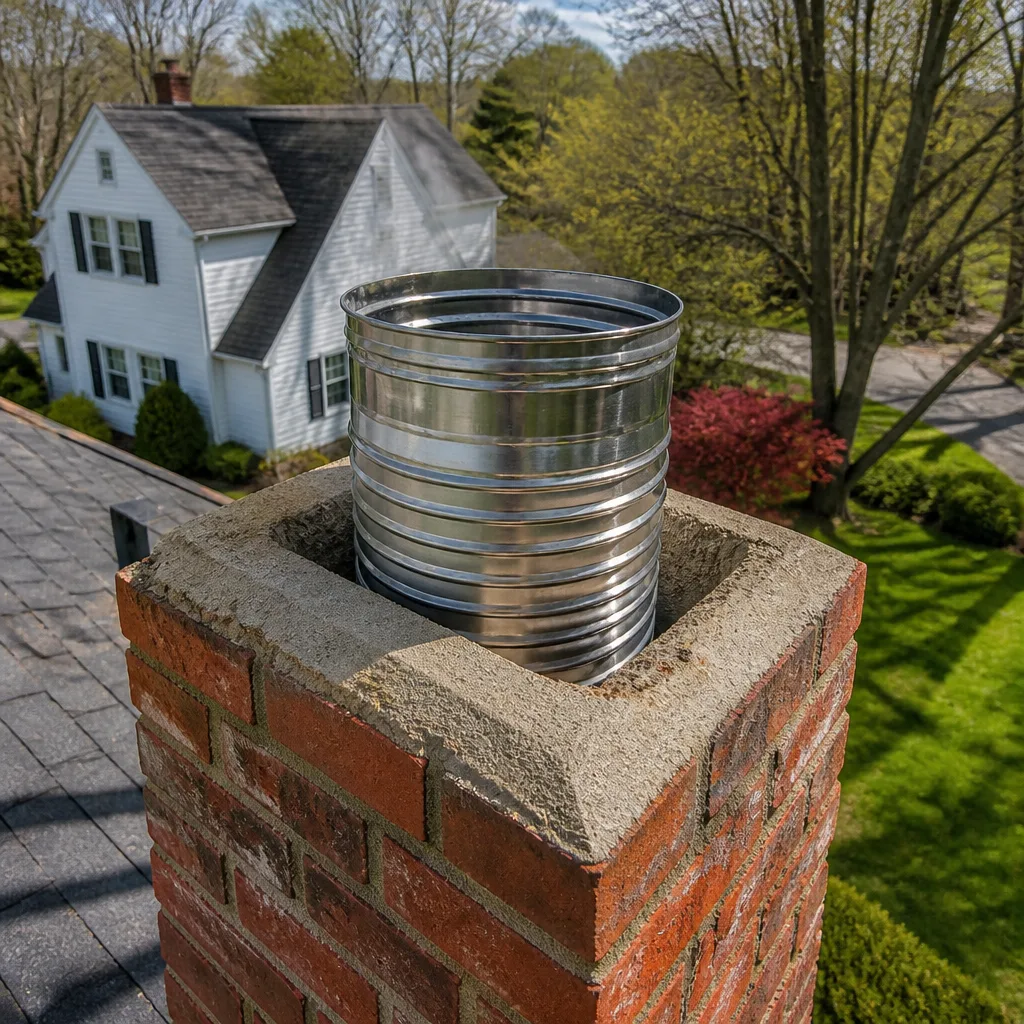 Flue relining
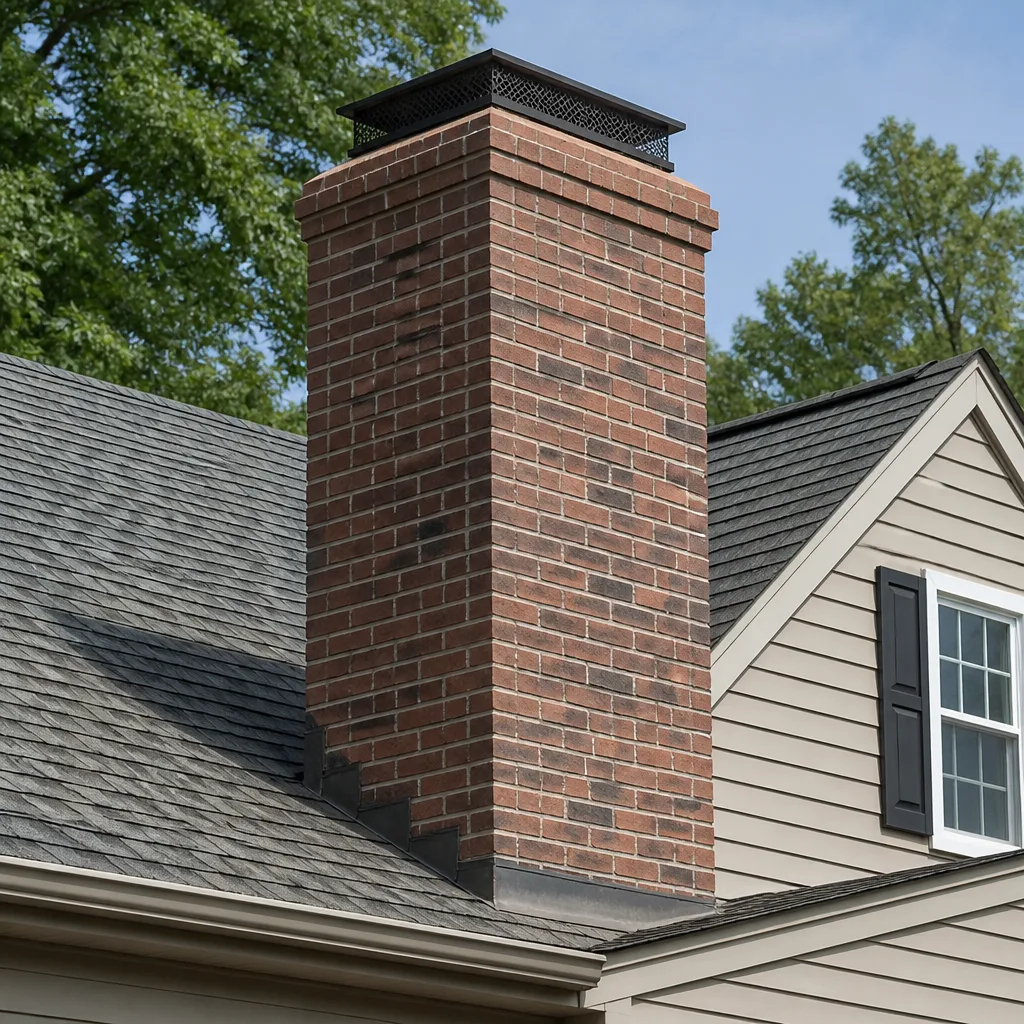 Masonry repair
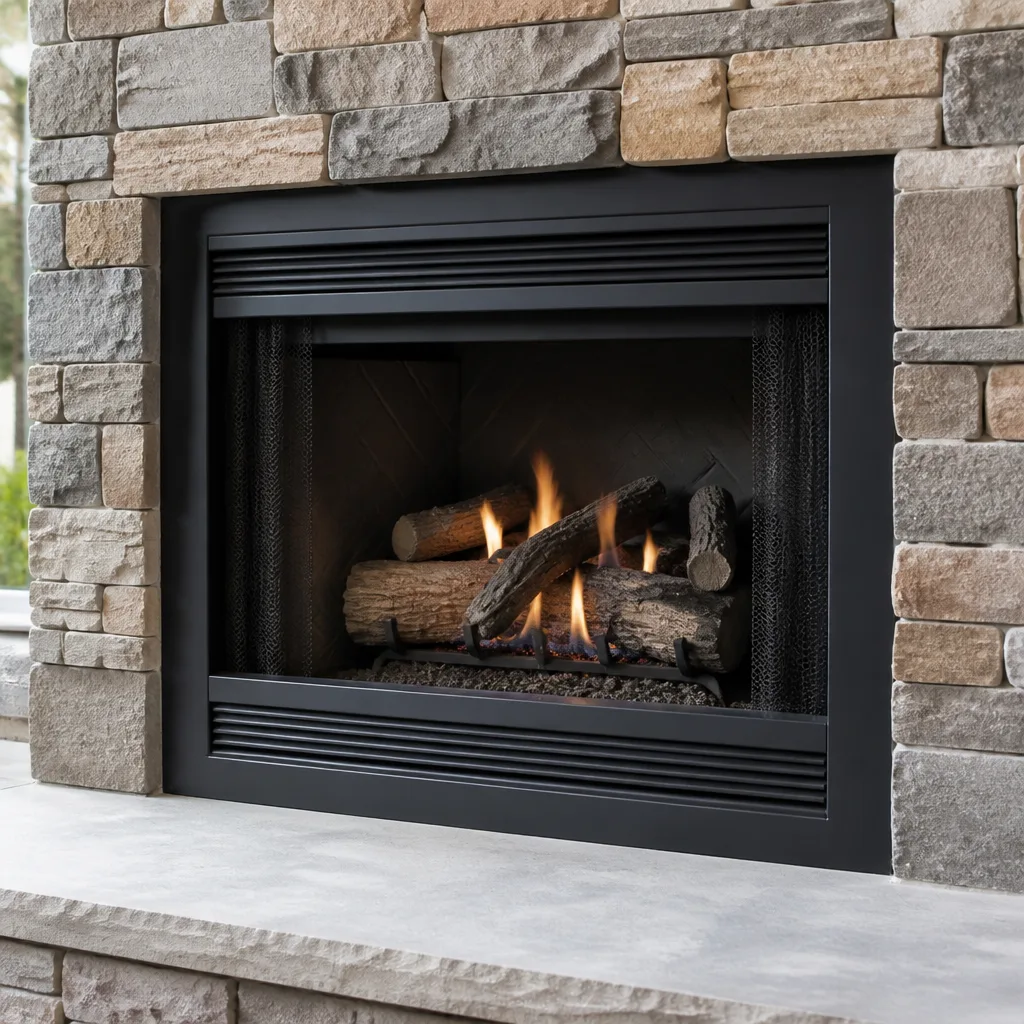 Gas fireplace service
Level 1 sweep and inspection to the NFPA 211 annual standard - flue, crown, cap, and flashing checked and photographed
Chimney sweep logs do not sweep chimneys. They loosen some creosote - which then falls where a brush and vacuum still have to collect it.
The Complete Guide to Chimney Cleaning in High Point
Most homeowners assume a chimney cleaning means one thing: a brush goes up, soot comes down, and the job is done. That picture misses two-thirds of the system. Your chimney has three distinct working zones, and the part a brush reaches is only one of them. The firebox, the flue, and the smoke chamber each fail in their own way, hold their own kind of buildup, and call for different tools and different inspection standards. A cleaning that ignores the smoke chamber, for example, can leave a serious fire hazard untouched while the receipt says “swept.” In this guide we’ll walk through all three zones, explain what creosote stages actually mean for when you clean, cover how High Point’s humid summers and mild winters change the schedule, and show you what a real professional cleaning should hand back to you.
Quick Answer
A complete chimney cleaning in High Point covers all three zones of the system – firebox, flue, and smoke chamber – not just the flue a brush can reach. The right time to clean is set by the stage of creosote inside your chimney, not by a fixed calendar date, and a professional visit should end with a written condition report you can keep, not just a receipt. If your firebox, flue, and smoke chamber are all addressed and documented, you’ve had a real cleaning.
Styles & brands we work with
- Sweep & inspection
- Caps & crowns
- Flue relining
- Masonry repair
- Gas fireplace service
Table of Contents
- The Three Zones of a Chimney and Why Each Needs Different Care
- Creosote Stages: Why Stage Matters More Than Schedule
- Level 1 vs Level 2 Inspections: What Each Covers and When You Need One
- How High Point’s Climate Affects Your Cleaning Frequency
- What a Professional Cleaning Should Hand Back to You
- What Actually Happens During a Chimney Cleaning: A Step-by-Step Walkthrough
- Tools and Methods for Each Zone
- The Overlooked Vent: Dryer Vent Cleaning Alongside Your Chimney
The Three Zones of a Chimney and Why Each Needs Different Care
Think of your chimney as three stacked components, each with its own job. The firebox is where combustion happens. The flue is the vertical channel that carries smoke and gases up and out. The smoke chamber sits between them, a tapered space that funnels exhaust from the firebox into the flue. The CSIA estimates that 25% of chimney fires originate in the smoke chamber, yet it’s the zone most “chimney cleaning” services never actually address. That gap is the single biggest reason a swept chimney can still be a dangerous one.
Here’s why the distinction matters. Each zone holds a different kind of deposit and calls for a different tool:
- Firebox. Collects ash, soot, and occasionally glazed creosote on the walls and damper. It’s cleaned with hand tools, scrapers, and a shop vacuum, then inspected for cracked bricks and deteriorated mortar joints.
- Flue. The long vertical run. It builds up soot and creosote along the liner walls. Cleaning uses a rotary brush sized to the flue, often with a flexible rod system that follows the shape of a DuraFlex-style stainless liner.
- Smoke chamber. The tapered throat above the damper. Its angled surfaces trap creosote and soot that a straight brush run will skip entirely. Cleaning requires a specific smoke-chamber brush shaped to the corbel, and resurfacing with a product like HeatShield when the refractory mortar has cracked or eroded.
When we describe a full chimney sweep, this is what we mean – all three zones addressed, not just a flue brush. Ask any technician who visits your High Point home which of the three zones they intend to clean, and watch whether the answer covers the smoke chamber. It’s a fast way to separate a real sweep from a quick once-over.
Creosote Stages: Why Stage Matters More Than Schedule
Creosote is the residue left behind when wood smoke cools on the inside of your chimney. It doesn’t form in one consistent texture. It moves through three recognizable stages, and the stage – not the number of months since your last cleaning – is what should drive the decision to sweep. A chimney that burned hot with dry wood might be at stage 1 after a full season. A chimney that burned damp wood with a smoldering fire can hit stage 3 in a few months.
Here’s what each stage looks like and means:
- First degree. A light, flaky, soot-like deposit. It’s the easiest to remove with a standard flue brush. Most sweeps recommend cleaning when this buildup reaches about an eighth of an inch on the liner walls.
- Second degree. A denser, crusty layer with a hardened, sometimes shiny surface. It bonds to the liner and needs more aggressive rotary brushing to break up. This is where homeowners who wait too long start seeing flakes fall into the firebox.
- Third degree. A glazed, tar-like coating that has essentially baked onto the flue walls. It’s the most combustible form of creosote and the hardest to remove. Third-degree buildup often points to a chimney that needs more than a sweep – sometimes a chemical treatment or relining.
The practical takeaway: you can’t tell your stage by counting months. You tell it by looking. That’s why an annual inspection matters more than a fixed schedule. If you’re seeing stage 2 or 3 buildup, don’t wait for a calendar date – call for a sweep. If you’re at light stage 1, a professional can advise whether waiting another season is safe. Judging the stage is part of what you’re paying for.
Level 1 vs Level 2 Inspections: What Each Covers and When You Need One
Not every inspection is the same, and knowing the difference helps you ask for the right one. The trade recognizes three inspection levels, and they build on each other. Most routine work calls for a Level 1 or Level 2, but there are clear situations that should push you higher.
- Level 1. A visual inspection of the readily accessible parts of the chimney – the firebox, damper, flue from the firebox up, and the exterior at ground level. It’s appropriate for a chimney already in service with no known changes to how it’s used.
- Level 2. Everything in Level 1, plus accessible portions of the attic, crawlspace, and roof, and the use of video scanning of the flue interior. A Level 2 is the standard when you’ve changed fuels, changed appliances, had a chimney fire, bought a new home, or added a new liner.
- Level 3. Everything in Levels 1 and 2, plus investigation of concealed areas – opening walls or removing parts of the chimney itself. This is reserved for a specific suspected problem that can’t be diagnosed otherwise.
In High Point, the most common triggers for a Level 2 are buying a home with an existing fireplace and adding or replacing a liner. If you’ve had a chimney fire of any size, a Level 2 is not optional. The video scan is the tool that lets you see what’s happening inside the flue without opening anything up. If a technician recommends relining or costly repair without offering a camera scan of the flue, push back. You should be able to see the evidence before you agree to the work.
How High Point’s Climate Affects Your Cleaning Frequency
Climate shapes how fast a chimney degrades and how completely fuel burns, and High Point’s specific mix – humid summers and mild winters – creates two distinct problems for fireplace owners. Neither shows up on a fixed annual schedule the way a colder, drier climate’s wear pattern would.
Summers here bring sustained humidity. That moisture attacks the masonry and liner even when you’re not burning. Damp conditions accelerate the breakdown of refractory mortar in the smoke chamber, soften mortar joints in the firebox, and push stainless liners toward earlier corrosion than they’d see in a drier climate. It’s the main reason we recommend a post-winter inspection even if you’re sure the flue is clear – the summer is when hidden moisture damage sets up.
Winters here are mild, which brings the second problem: incomplete burns. Mild winters tempt homeowners to burn whatever wood they have on hand, and a fire that starts and stops with a low, smoldering flame produces far more creosote than a hot, steady burn. The cooler the fire, the faster creosote forms. That’s why a High Point chimney can reach stage 2 or 3 buildup faster than the age of the system would suggest. Our recommendation is an inspection each year, a cleaning based on the creosote stage that inspection finds, and specifically paying attention to the smoke chamber before the first burn of the season – not in the middle of it.
What a Professional Cleaning Should Hand Back to You
A real chimney cleaning ends with paper in your hand, not just a payment. That paper is the difference between a receipt and a written condition report – and it’s the deliverable that protects you. Here’s what a proper report should include:
- The zones cleaned: firebox, flue, and smoke chamber, each named, so you know the whole system was addressed.
- The creosote stage observed in each zone, with a note on what it means for your next cleaning.
- Condition notes on the liner (intact, cracked, degraded), the refractory mortar in the smoke chamber, and the firebox brick and mortar.
- A description of any cap or cover issue. Proper fit matters because an ill-fitting cap lets in water and wildlife – the reason we fit components from makers like Gelco and Olympia Chimney rather than improvised hardware-store pieces.
- A clear recommendation: what can wait, what should be addressed this season, and what is an immediate safety concern.
Ask for this before the technician leaves. If the work was done well, the report is easy for them to produce. If a technician can’t tell you the stage of creosote found or the state of the smoke chamber, the cleaning likely didn’t cover the whole chimney. That report is also your record for insurance and for the next inspection – keep it with your home maintenance file.
What Actually Happens During a Chimney Cleaning: A Step-by-Step Walkthrough
Knowing the sequence of a professional cleaning helps you judge whether the visit is complete. Here’s how a full three-zone cleaning typically goes, from the moment the technician steps in through the final report:
- Set up protection. Drop cloths and a containment system go down around the hearth so soot and dust stay in the work area, not your living room.
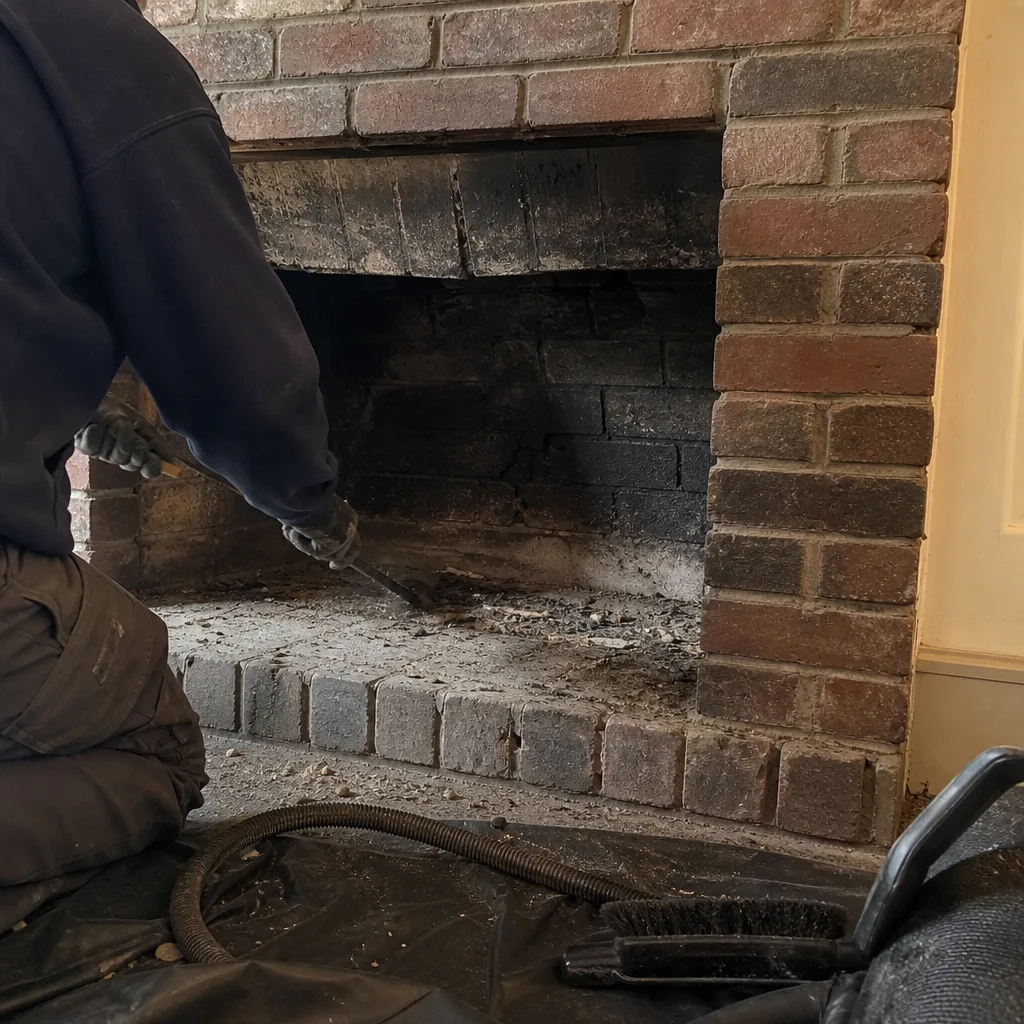
- Inspect the firebox. The technician checks the brick, mortar joints, damper, and fireback, then cleans ash and soot from the firebox floor and walls.
- Inspect the flue with a camera. A video scan shows the liner condition and the creosote stage along the full run before any brushing starts.
- Brush the flue. A rotary brush sized to the flue breaks up soot and creosote buildup, working from the top down or bottom up depending on the setup.
- Clean the smoke chamber. This is the step most services skip. A smoke-chamber brush shaped to the corbel clears the tapered walls, and the technician inspects the refractory mortar for cracks.
- Clean up and verify. A shop vacuum pulls the loosened material out, and the technician confirms the flue is clear.
- Write the report. The technician records what was found in each zone and what, if anything, needs follow-up work.
If the smoke chamber step gets skipped or hurried, the job isn’t complete. Ask about it directly. And if you’re not sure whether you need a full cleaning or just an inspection, ask – a good technician will tell you honestly when the chimney can safely wait.
Tools and Methods for Each Zone
The reason a real cleaning needs more than one tool is that each zone holds a different deposit. In our experience, homeowners are often surprised at how specific the tooling is for a job that sounds simple. A single flue brush cannot clean a tapered smoke chamber, and a smoke-chamber brush cannot clean the long vertical run of a flue.
Here’s what each zone actually requires:
- Firebox: hand scrapers, wire brushes for the walls, and a vacuum rated for ash and fine soot. Sometimes a chemical cleaner for stubborn glazed spots on the damper.
- Flue: rotary brushes matched to the flue diameter, flexible rods that can follow a liner’s bend, and a camera to verify the result. When the liner is degraded, an inspection may show it needs relining – DuraFlex flexible liner systems are one trade-grade option for restoring flue integrity.
- Smoke chamber: a corbel-shaped brush to fit the tapered walls, plus inspection of the refractory mortar. When that mortar has cracked or eroded, resurfacing with HeatShield can restore the chamber’s integrity without a full reliner replacement.
- Cap and cover: proper-fit caps and venting covers from makers like Gelco and Famco keep rain, debris, and animals out. An improvised cap rarely fits the crown correctly and can cause its own problems.
The point of listing these is to help you recognize a complete job when you’re paying for one. If a technician arrives with a single brush and one vacuum, ask how they plan to clean the smoke chamber. The answer tells you a lot about the standard of work you’re getting.
The Overlooked Vent: Dryer Vent Cleaning Alongside Your Chimney
While we’re talking about venting, there’s a second vent in most High Point homes that deserves the same attention: the dryer vent. Lint buildup in a dryer vent is a real fire hazard, and it’s one most homeowners simply never think to check. The damper on a chimney is a familiar thing to inspect; the dryer vent behind the machine is out of sight and out of mind.
Dryer vent cleaning is its own service, not an afterthought we tack onto a chimney visit. It’s the same principle as the chimney: a venting system that carries heat and exhaust needs to be clear and properly fitted to be safe. A clogged dryer vent restricts airflow, which raises dryer temperatures and leaves lint trapped where it can catch. Cleaning it restores airflow and clears the accumulated lint that causes the risk.
Pairing the two makes practical sense. If a technician is already in your home for a chimney visit, it’s efficient to have the dryer vent checked in the same appointment. It also means one credible crew handles both venting systems in your home rather than two separate contractors. If you haven’t had the dryer vent looked at, put it on the same inspection list as your chimney and ask about both when you book. You can read more about our dryer vent cleaning service to see what it covers.
Preventing Buildup Before It Starts: The Habits That Actually Help
Cleaning is the cure, but a few habits cut the buildup that makes cleaning necessary so often. None of them replaces an annual inspection – you still need a set of expert eyes on the system once a year – but they slow creosote formation and protect the liner between visits.
- Burn dry, seasoned wood. Wet wood produces a cooler, smokier fire and far more creosote. Seasoned wood burns hotter and cleaner.
- Don’t smolder. A fire that’s damped down to a low, lazy flame produces the most creosote. Burn hotter and more completely, and open the damper fully during start-up.
- Cap the flue. A properly fitted cap keeps rain and animals out, which is especially useful given High Point’s humid summers and the moisture damage they carry.
- Watch for warning signs. Drops of creosote falling into the firebox, a stronger smoky smell in the room, or visible flakes on the damper all signal it’s time for an inspection.
- Keep the smoke chamber on your radar. Because it’s the hardest zone to see, it’s the one most likely to go unaddressed. Mention it by name when you book.
These habits help, but they don’t tell you the stage of creosote in the flue or the condition of the liner. Only an inspection does that. Habits reduce the work; they don’t replace the check.
Common Mistakes to Avoid
We see the same avoidable problems again and again. Here are the ones that most affect High Point homeowners:
- Assuming a swept flue means a clean chimney. A brush in the flue doesn’t touch the smoke chamber, and that’s the zone behind a large share of chimney fires. Ask which zones get cleaned.
- Cleaning on a fixed calendar instead of by creosote stage. A chimney burning damp wood can hit stage 3 in one season; one burning dry wood might stay at stage 1 all year. Let the inspection decide.
- Skipping the inspection entirely. A cleaning without an inspection ignores liner damage and cracked refractory mortar. Both are common in a humid climate like High Point’s.
- Trusting a technician who won’t show evidence. If a recommendation for relining or masonry work comes without a camera scan you can see, get a second opinion before you spend. Work that isn’t documented is work you can’t verify.
- Forgetting the dryer vent. The lint fire hazard in a dryer vent is genuinely dangerous and easy to overlook. Include it on the same visit.
- Improvised caps and covers. A hardware-store cap that doesn’t fit the crown can let water in and cause its own damage. Proper-fit components matter more than people realize.
- Assuming mild winters mean less buildup. High Point’s mild winters invite smoldering fires, and smoldering fires build creosote faster. Don’t let a warm winter lull you into skipping the check.
When to Call a Professional
Some situations clearly call for a professional rather than a wait-and-see. If you’ve had any chimney fire – even a small one you put out yourself – call for a Level 2 inspection before you burn again. If you see glazed, tar-like creosote on the flue walls, if creosote is falling into the firebox, or if you smell smoke in the room when the fireplace isn’t lit, those all point to problems a brush alone won’t fix. If you’ve just bought a home in High Point with an existing fireplace, get a Level 2 before your first burn. And if a technician recommends thousands of dollars of relining or masonry work without showing you a camera scan, don’t accept it sight unseen; call to get a second, documented opinion. Chimney Sweep High Point offers free estimates in High Point – call (877) 798-3391. We answer 24/7. Fast dispatch from 7am to 7pm, Sunday through Friday.
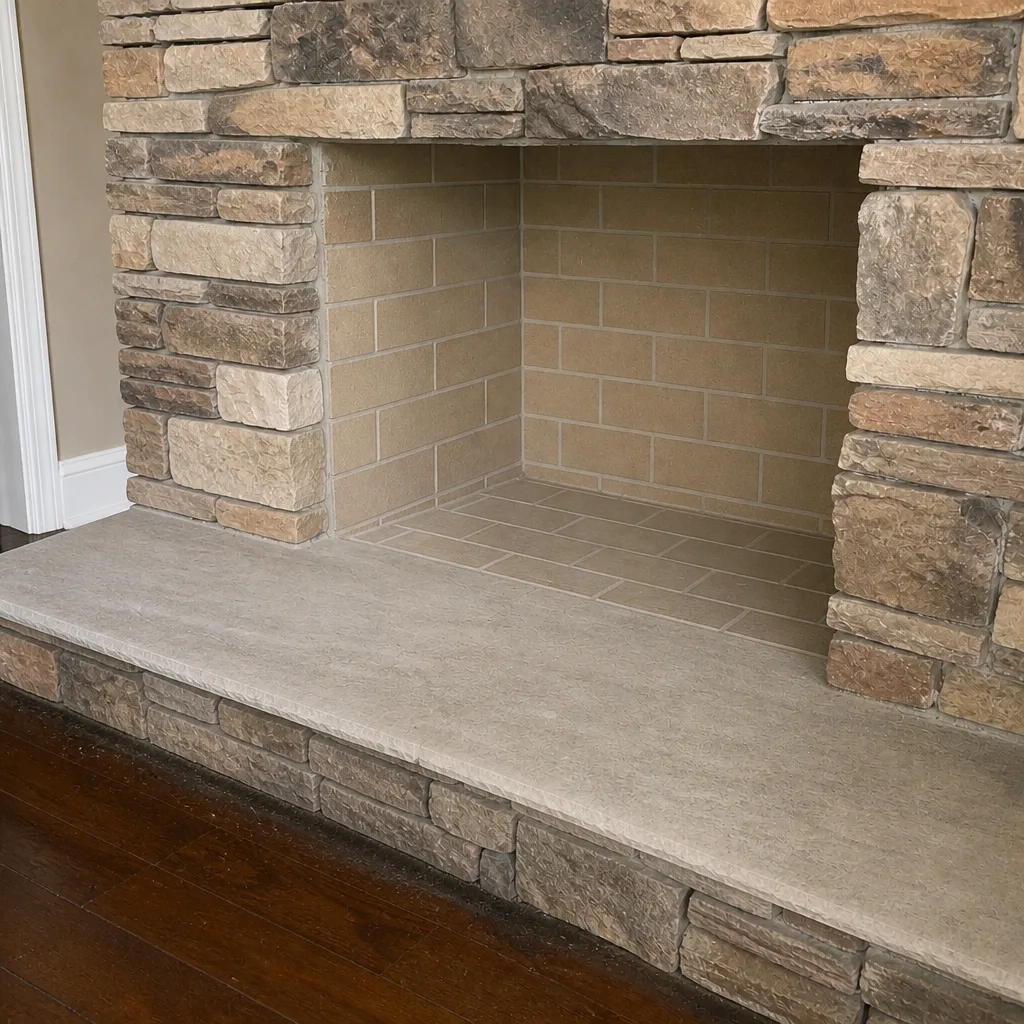
See the difference
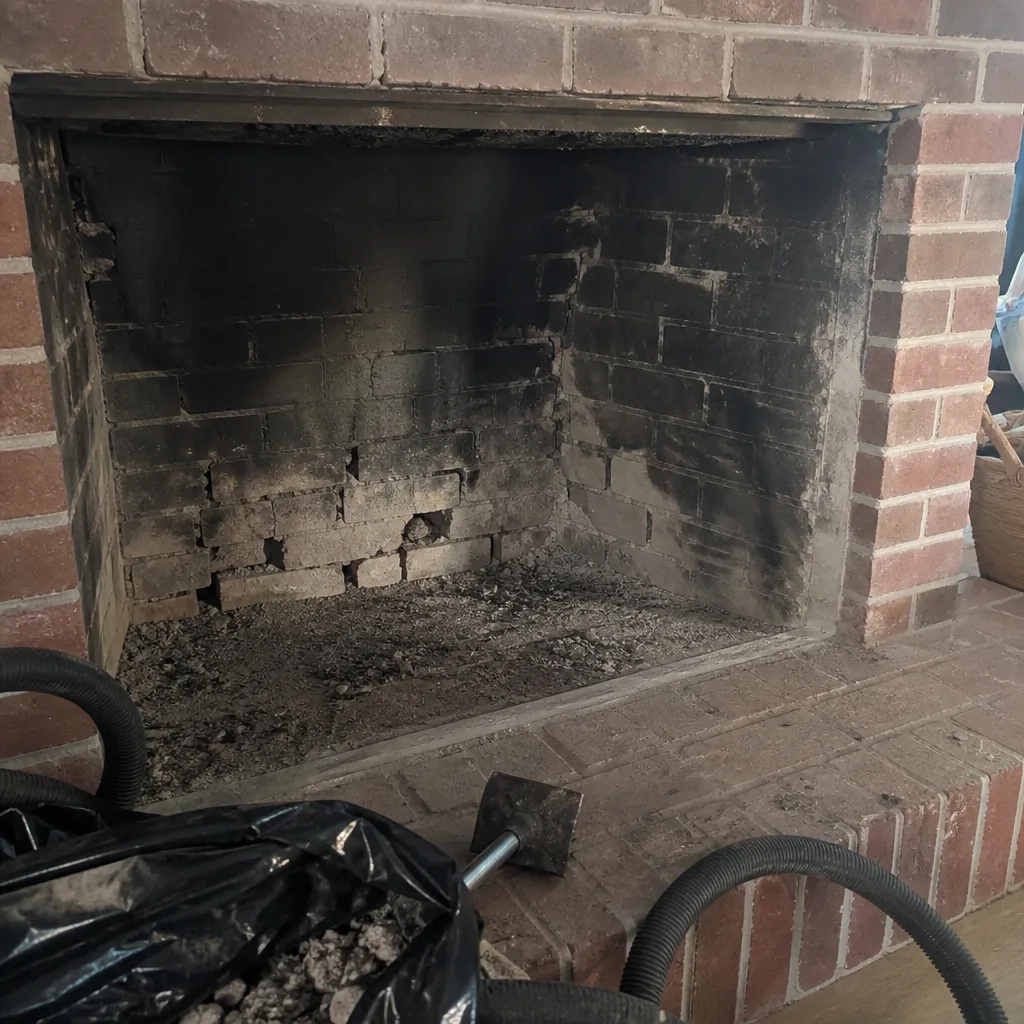 Before
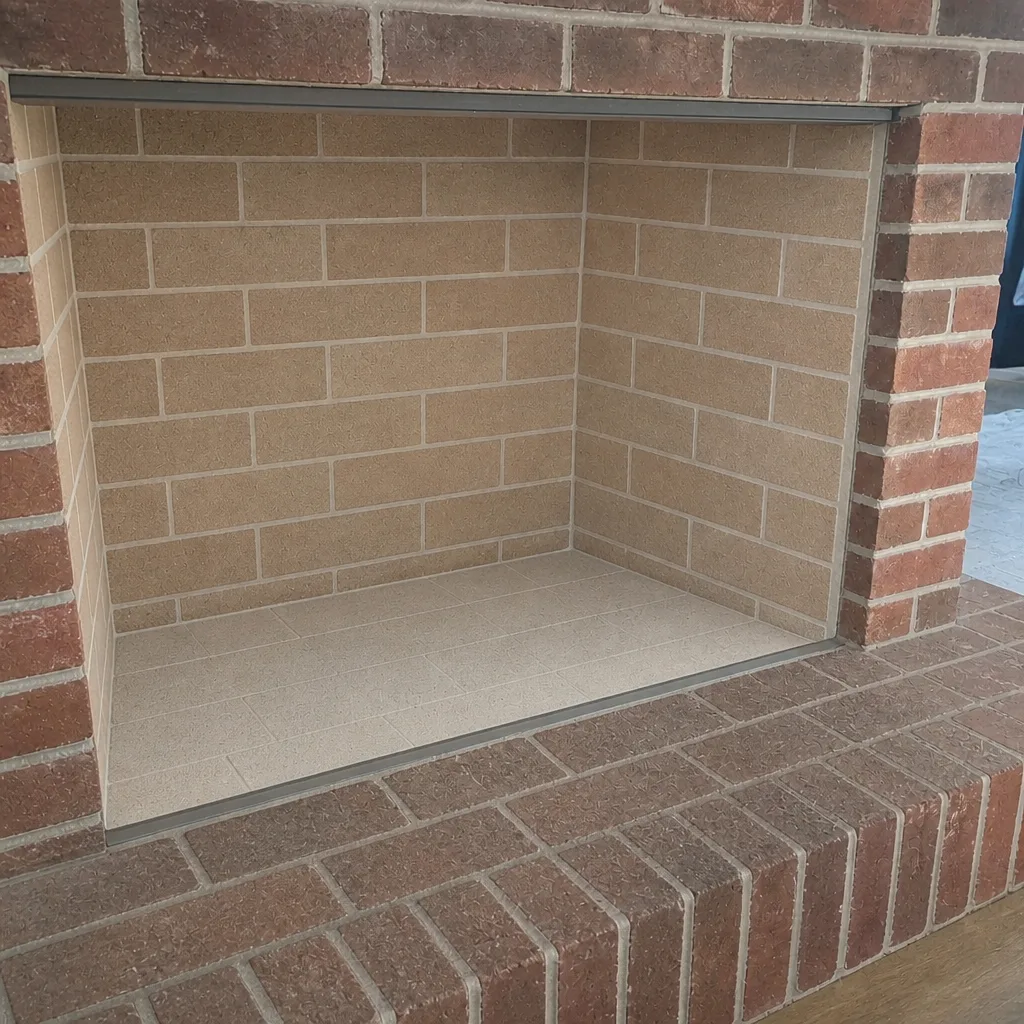 After
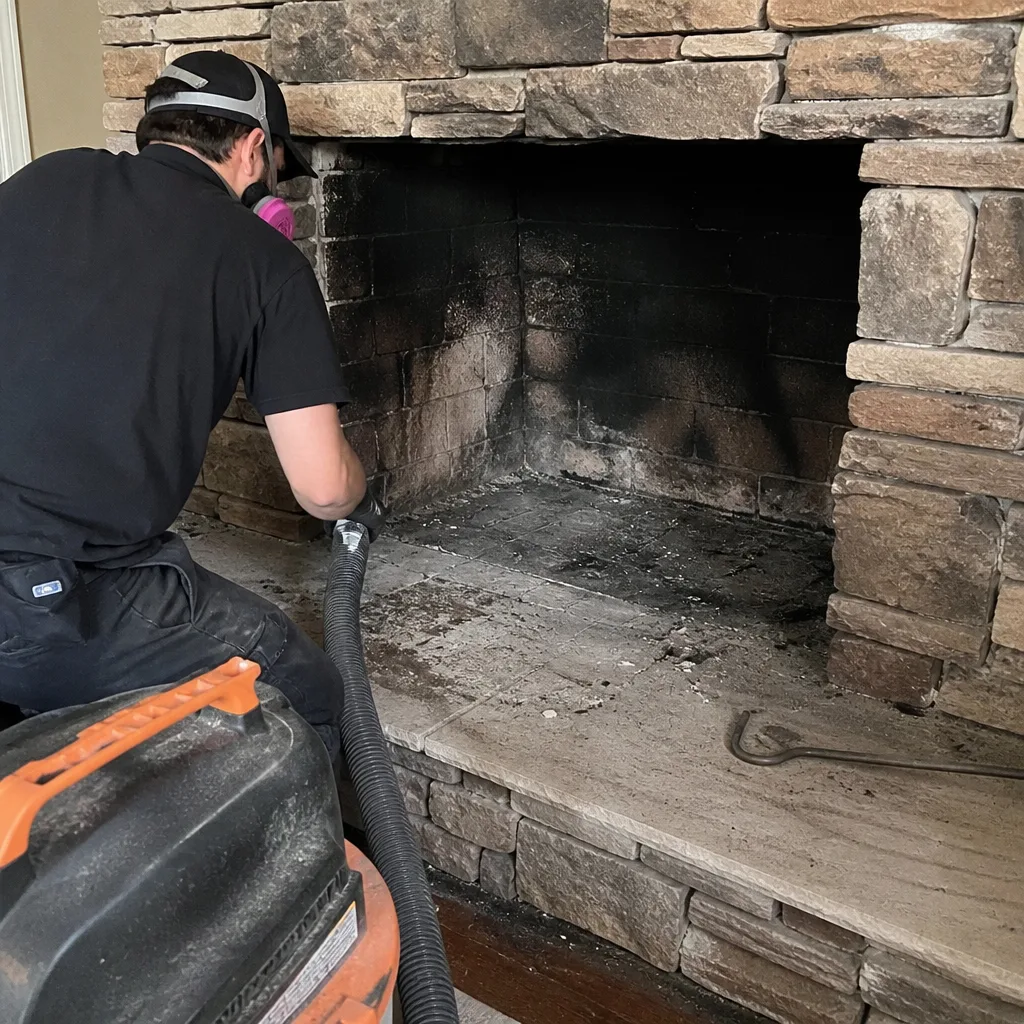 Before
 After
 Before
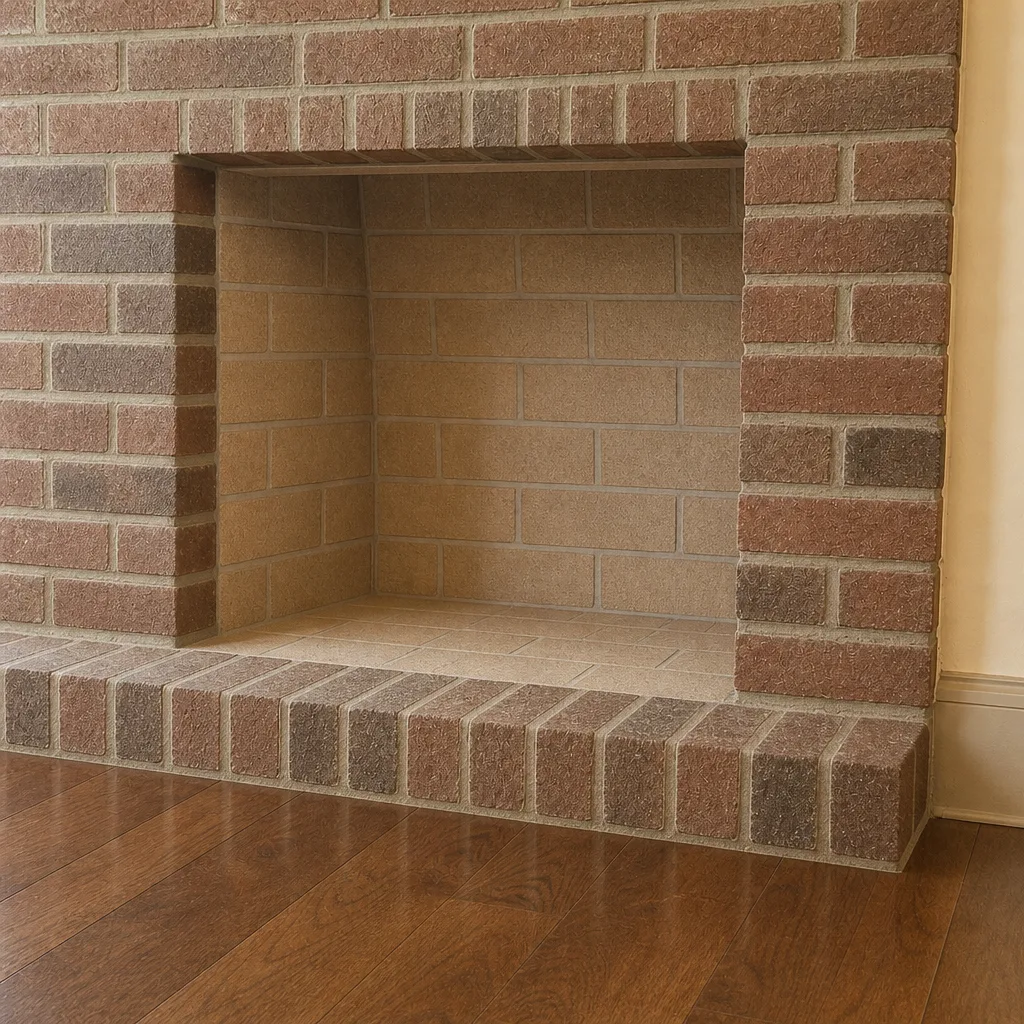 After
Frequently Asked Questions
At least once a year, with the inspection deciding whether a full cleaning is actually due that year. High Point’s mild winters can invite smoldering fires that build creosote faster than a fixed schedule would predict, so let the creosote stage found during inspection set your cleaning interval rather than counting months. Call (877) 798-3391 for an exact quote – estimates are free.
Your chimney has three working zones – the firebox where combustion happens, the flue that carries smoke up and out, and the smoke chamber that funnels exhaust into the flue. Each holds a different kind of deposit and needs a different tool to clean. The smoke chamber is the one most services skip, and it’s behind a large share of chimney fires. Ask any technician which zones they’ll clean.
Only if the inspection and video scan actually show the liner is cracked, degraded, or no longer sound enough to contain heat and gases. A degraded liner can sometimes be addressed without full replacement – resurfacing the smoke chamber with HeatShield, for instance, can restore integrity without a full reliner. Never agree to relining without seeing the evidence yourself. Call (877) 798-3391 for an exact quote – estimates are free.
Creosote keeps building, and in the third-degree stage it becomes a glazed, highly combustible coating on the flue walls – which is what makes chimney fires possible. It also lets hidden damage in the liner or smoke chamber go unaddressed. A cleaning and inspection catch both while they’re still small. Call (877) 798-3391 for an exact quote – estimates are free.
A Level 1 is a visual check of the readily accessible parts of the chimney; a Level 2 adds a video scan of the flue interior and access to the attic, crawlspace, and roof. A Level 2 is standard after a chimney fire, a change in fuel or appliance, or buying a home with an existing fireplace. Routine annual checks are typically Level 1.
Yes – lint buildup in a dryer vent is a genuine fire hazard, and it’s the vent most homeowners never check. It’s a separate service from the chimney sweep, not an upsell tacked onto it, and it’s efficient to have both handled on the same visit. If you haven’t had the dryer vent cleaned, add it to the same appointment. Call (877) 798-3391 for an exact quote – estimates are free.
The Bottom Line
A complete chimney cleaning in High Point is a three-zone job: firebox, flue, and smoke chamber, each cleaned with the right tool and inspected for its own kind of wear. The stage of creosote, not the calendar, should decide when you clean, and the humid summers and mild winters here push both the buildup and the liner damage in ways a fixed schedule misses. Your diligence pays off in what a professional hands back: a written condition report showing what was found in each zone, what can safely wait, and what needs attention. That report is the proof a cleaning was real. If you’re ready for a documented, all-three-zone inspection they can trust, we handle chimney sweep visits and repair across the area, and you can start with Chimney Sweep High Point to see how we approach the whole system.
Book Your Chimney Cleaning in High Point
Whether you need a routine sweep, a video inspection before your first burn of the season, or a straight answer about work a technician told you was urgent, we can help. We cover all three zones, use trade-grade components from makers like DuraFlex and Olympia Chimney, and give you a written report with the evidence behind any recommendation. Call (877) 798-3391 for a free estimate on chimney cleaning in High Point. We answer 24/7. Fast dispatch from 7am to 7pm, Sunday through Friday. The price is set per job by the written estimate, and if your chimney can safely wait another season, we’ll tell you.
Written by the team at Chimney Sweep High Point.