
Last updated November 14, 2026
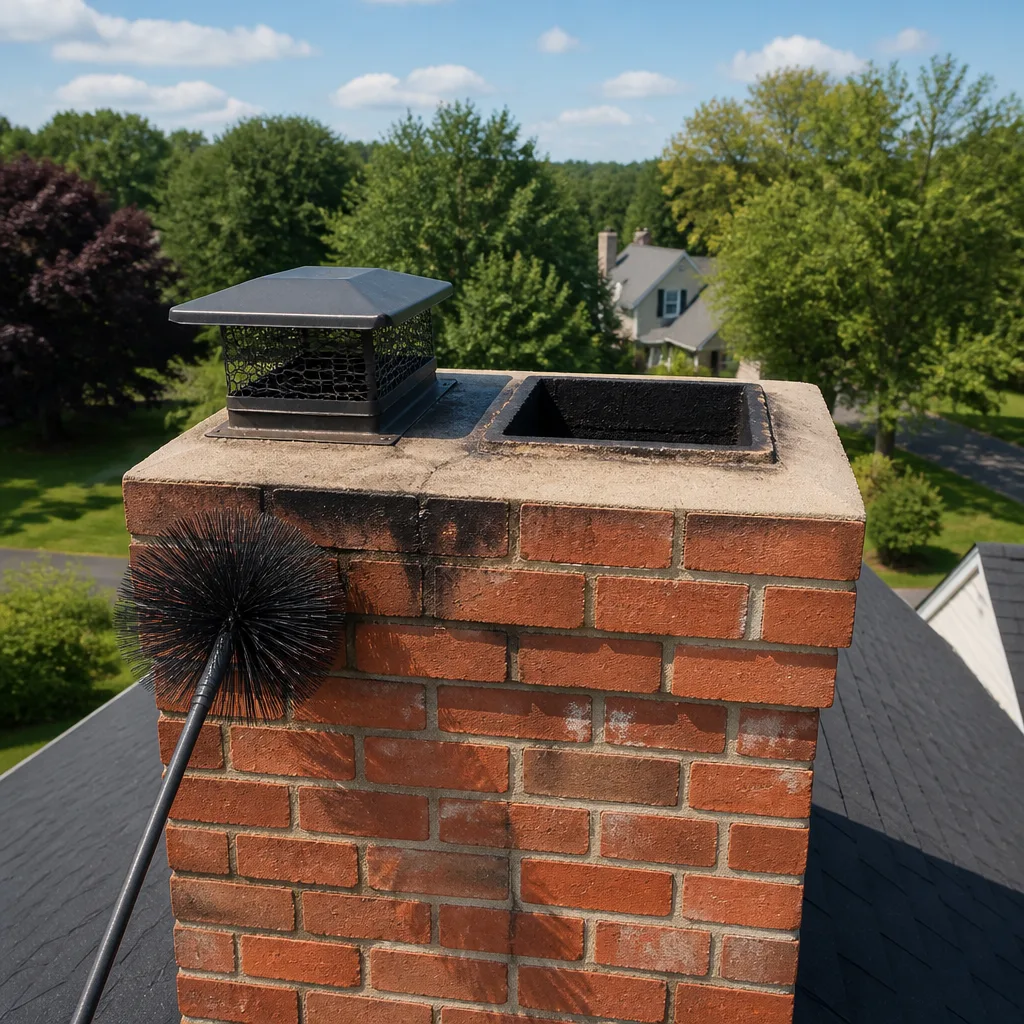 Sweep & inspection
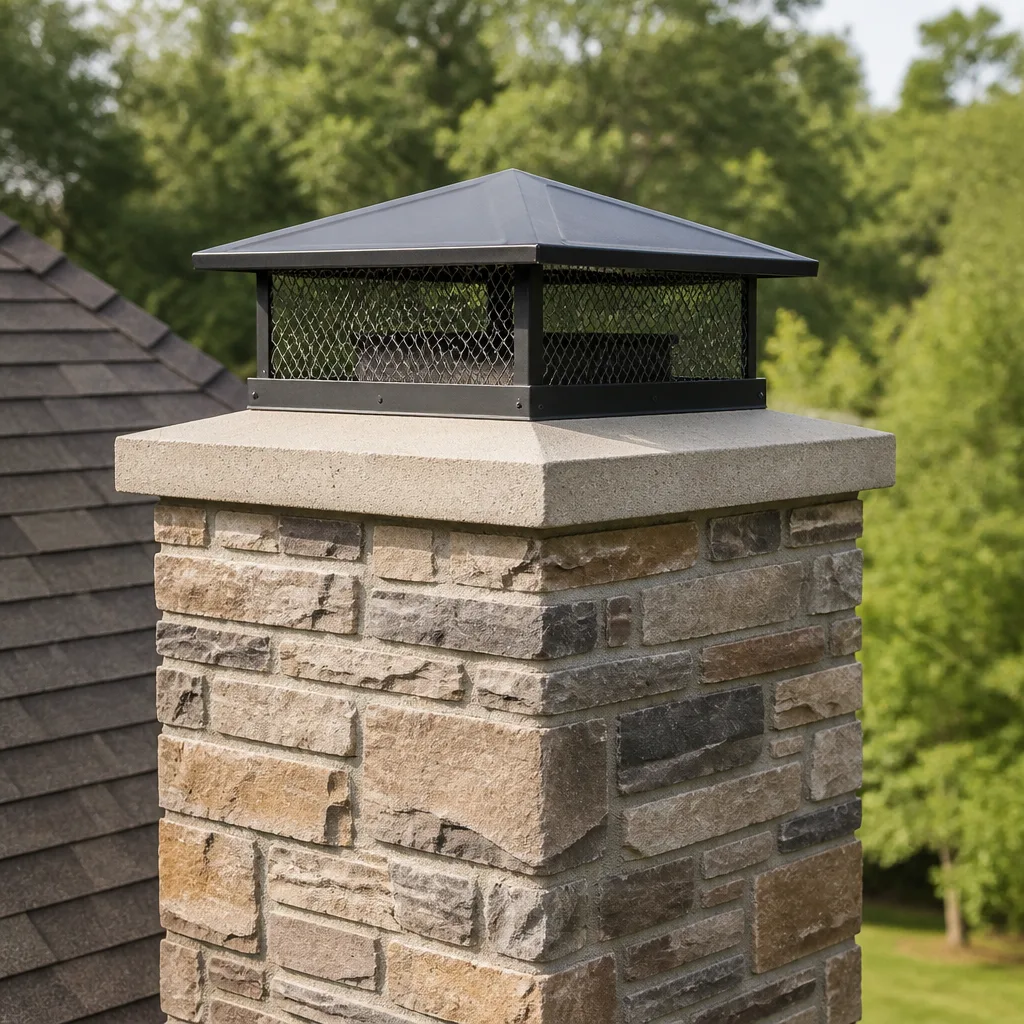 Caps & crowns
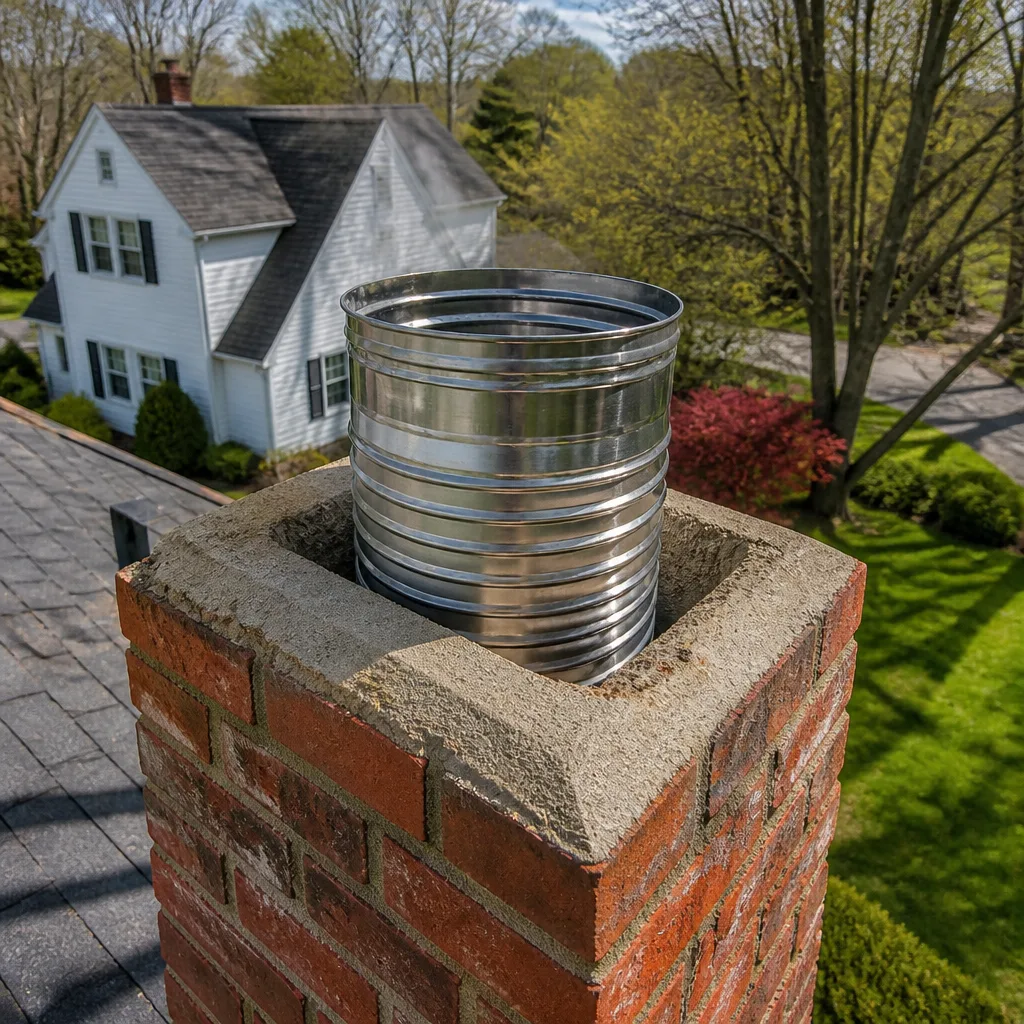 Flue relining
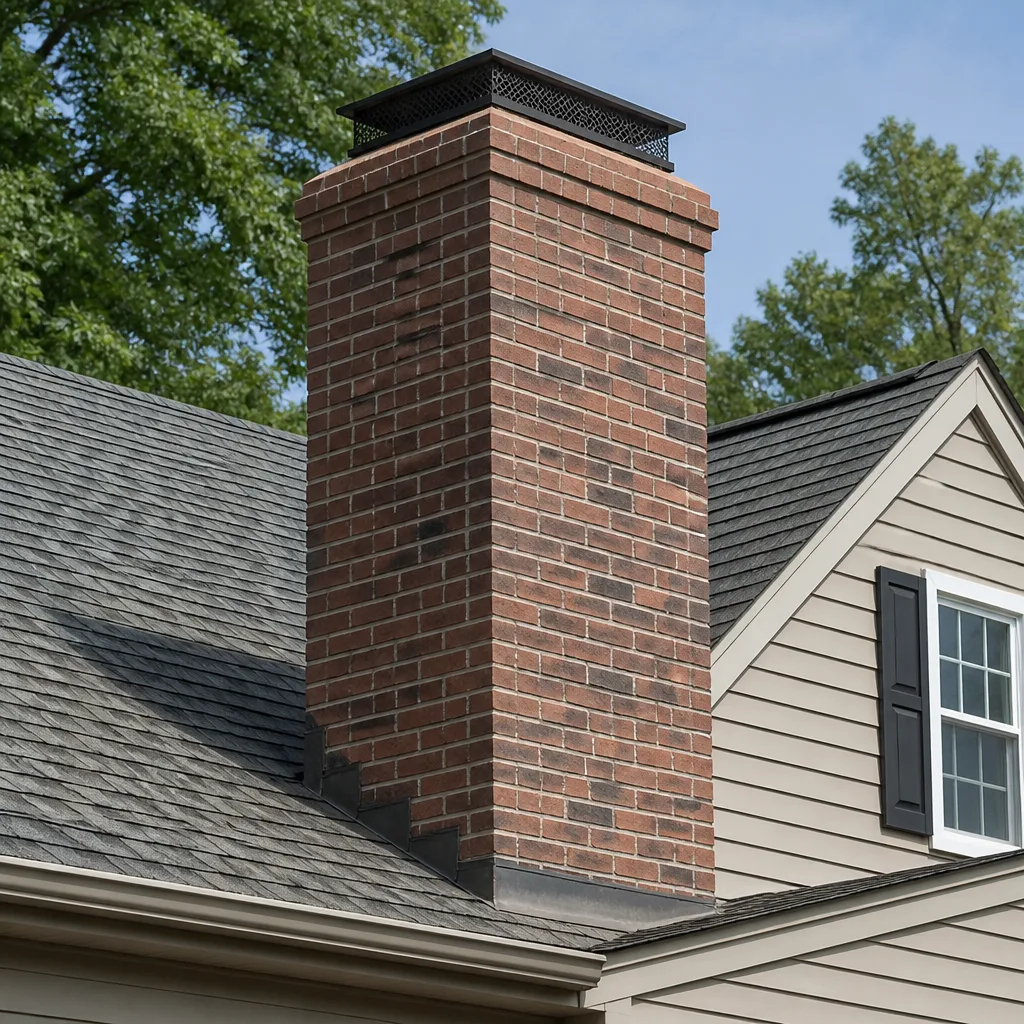 Masonry repair
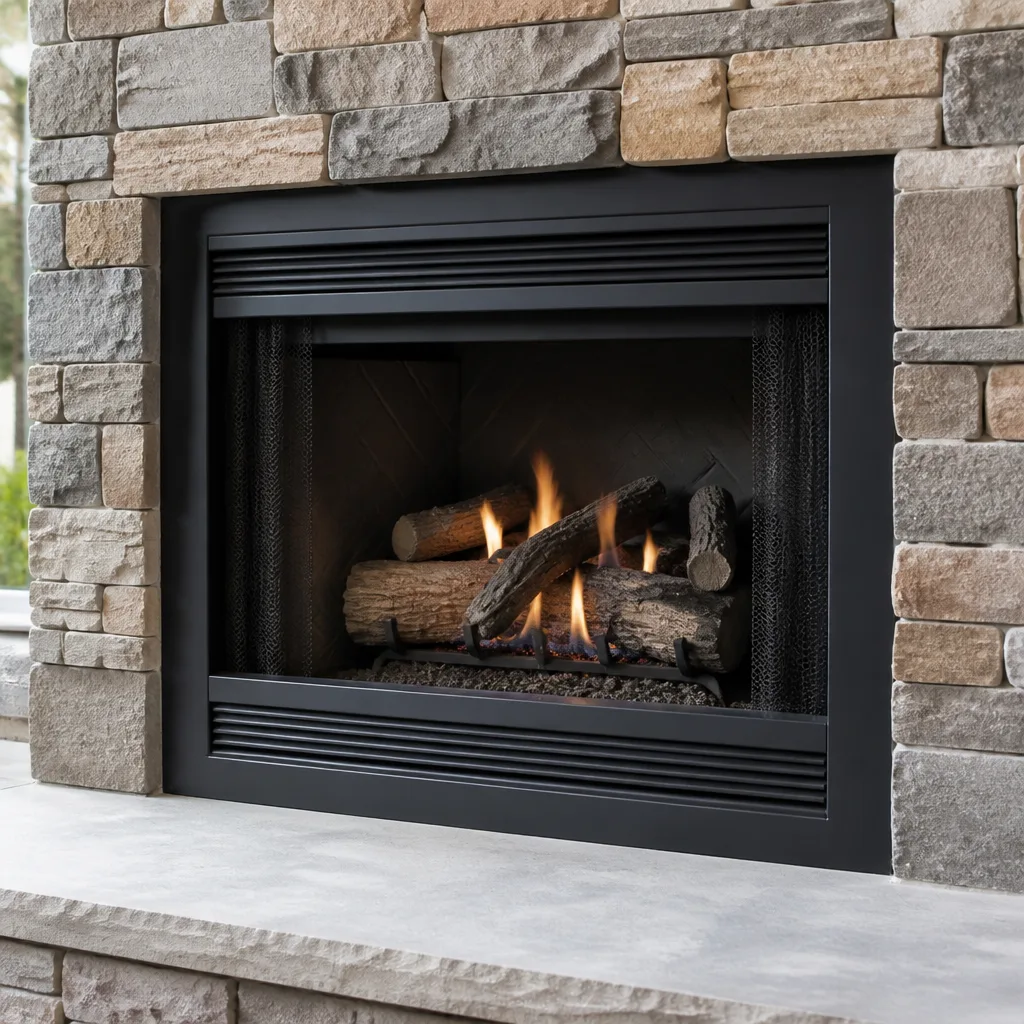 Gas fireplace service
Level 1 sweep and inspection to the NFPA 211 annual standard - flue, crown, cap, and flashing checked and photographed
Chimney sweep logs do not sweep chimneys. They loosen some creosote - which then falls where a brush and vacuum still have to collect it.
How to Hire a Chimney Cleaning Contractor in High Point: A Step-by-Step Guide
Most homeowners treat hiring a chimney sweep like hiring a lawn crew: find someone with a reasonable quote and good reviews, book the visit, move on. That approach works fine for mowing. It falls apart on your roof. The chimney trade has almost no barrier to entry in North Carolina, and the credential most people assume is mandatory is actually voluntary. Anyone can buy a brush set, print a business card, and be on your roof next week. The vetting, then, lands on you. This guide walks through exactly what to ask, what documents to request, which red flags should stop a job cold, and how to tell a real chimney technician from someone with a ladder. If you’re searching for how to hire a chimney sweep in High Point, start here.
Quick Answer
To hire a chimney cleaning contractor in High Point, verify three things before you book: current general liability and workers’ comp coverage, CSIA certification or equivalent documented training, and access to real camera inspection equipment. Then ask for a written scope of work and a written inspection report after the visit. Skip any contractor who can’t produce all three, demands liner work before a cleaning, or can’t name the liner manufacturer they’d use. Legitimate sweeps in High Point will answer every one of those questions without hesitation, because they’ve answered them a hundred times.
Styles & brands we work with
- Sweep & inspection
- Caps & crowns
- Flue relining
- Masonry repair
- Gas fireplace service
Table of Contents
- Why Chimney Sweeping Is Regulated Differently Than You Think
- What CSIA Certification Actually Tests
- The Two Insurance Documents You Must Request
- Red Flags in a Chimney Cleaning Quote
- How to Evaluate a Contractor’s Materials Knowledge
- Why Camera Inspection Equipment Is Non-Negotiable
- The Step-by-Step Hiring Process
- Common Mistakes to Avoid
Why Chimney Sweeping Is Regulated Differently Than You Think
Here’s the part that surprises most homeowners in High Point: CSIA certification is voluntary in North Carolina, not legally required to sweep chimneys. There’s no state licensing board that verifies the person on your roof knows what a flue liner is, no minimum training hours, no continuing education requirement. That’s not a knock on the state, it’s just how the trade is legally classified. Chimney sweeping sits in the same regulatory gray zone as a lot of home services work, and the burden of verifying qualification rests entirely with the person paying the invoice.
What this means practically for anyone hiring a chimney sweep in High Point is that the market includes a wide range of people doing similar-sounding work. At one end, a trained technician who owns camera equipment, carries professional products, and can explain the difference between a HeatShield resurfaced flue and a full reliner replacement. At the other, someone with a shop vacuum and a basic brush who’ll tell you the chimney “looks fine” and move on. Both will charge you for the visit. Only one can actually tell you what’s going on inside the flue.
We’ve seen the consequences of this on both sides. Homeowners who hired the cheapest quote and only learned about a cracked tile when a subsequent inspection caught it. And homeowners who spent real money on repairs they probably didn’t need, because a contractor skipped the cleaning step and went straight to upselling a liner.
The vetting process is the whole ballgame. It’s not a formality, and it isn’t rude to ask for documentation. Anyone doing legitimate professional work expects those questions. If you’re in High Point and want to understand what a real chimney sweep visit should look like from start to finish, that’s part of what this guide covers.
What CSIA Certification Actually Tests
The Chimney Safety Institute of America is the recognized industry certification body in the U.S. Their credential isn’t a marketing sticker, it’s an actual written exam plus a hands-on review, and passing it means the technician can demonstrate working knowledge across four areas: the anatomy of a residential chimney, the code requirements that govern it, the causes and prevention of chimney fires, and safe sweeping procedure. That’s a meaningful baseline. A certified technician knows how a flue should be sized, what a proper cap looks like, what a smoke chamber does, and why creosote forms differently in different burning conditions.
Why it matters for homeowners in High Point specifically: a certified technician is far more likely to catch the subtle problems a non-certified sweep misses. A cracked tile on the far side of the flue that only shows up on camera. A partially detached liner. A masonry crown developing a hairline crack that pulls water into the structure every rain. These aren’t things a brush on a pole identifies.
What Does “Certified” Actually Mean From a Contractor’s Own Website?
Here’s where homeowners get tricked. A contractor can write “certified” on their website and print “certified” on their van without having passed anything from the CSIA. Some buy self-issued certifications from a training course they took online. Some are certified by a manufacturer, which is useful for that manufacturer’s products but means nothing about their ability to inspect your full chimney.
When someone claims certification, ask which certifying body, then look it up. The CSIA maintains a public directory, and a real CSIA-certified sweep is not bothered by the question. If the response is vague, evasive, or refers to a “third-party certification” with no name you can verify, that’s the answer. The certification is either real and verifiable or it isn’t.
The Two Insurance Documents You Must Request
No home service carries more risk of unseen damage than chimney work. The person on your roof could fall. Their equipment could damage your roof or skylight. Their brushing could dislodge masonry inside the flue. You want to be certain you’re not absorbing those costs.
General Liability Insurance
General liability covers damage to your property if something goes wrong during the job. A dropped flashlight breaks a chimney cap or a stone. A ladder shifts and hits a gutter. The general liability policy should pay for that, not your homeowner’s insurance. Request a certificate of insurance, which is a standard one-page document the contractor’s insurer issues, and verify the policy is current and the coverage limit is reasonable. Coverage limits vary, but you should see the number. Ask for it in writing before booking.
Workers’ Compensation Insurance
This is the one people forget. If the technician on your roof is injured while working on your home, workers’ comp is what pays for their medical care and lost wages. That means their injury stays off your homeowner’s policy. Without workers’ comp, the technician can pursue a claim against your homeowner’s coverage, and whether it succeeds is a matter for their attorney and your insurer. That’s a scenario you don’t want to be in.
Ask for the workers’ comp certificate the same way you ask for liability. If the contractor has no employees and works alone, they may be exempt from carrying workers’ comp, which is a legal position, not a scam. But a contractor with a crew absolutely should carry it and should be able to prove it in a minute. Anyone uncomfortable providing that should not be on your roof.
Red Flags in a Chimney Cleaning Quote
The quote is where a lot of homeowners get pushed into work they don’t need. Understanding what should be in a legitimate quote and what shouldn’t is your best defense.
The Vague Scope
A quote that says “chimney cleaning: $X” with no detail is a yellow flag. A real quote specifies what’s being cleaned (the firebox, the smoke chamber, the flue, the cap), how creosote staging is assessed, and what a standard visual inspection includes. If the scope is a single line item, ask for detail. If the answer is still vague, move on.
No Written Inspection Report
After the sweep, you should receive a written report on what was found: condition of the flue, condition of the cap, any creosote staging noted, any structural concerns, and recommendations broken into “do now” vs. “monitor” categories. No report means no record of what was seen. Also, a written report is a document you can hand to the next contractor when you get a second opinion. A contractor who resists providing one is protecting something other than your interests.
Pressure to Buy a Liner Before Cleaning
This is the biggest red flag in the trade. Liner replacement is sometimes necessary, but the decision should come after cleaning and video inspection, not before. A contractor who arrives, looks briefly at the chimney, then announces you need a new liner before they’ve swept anything is working from a script. The correct sequence is: clean first, inspect with video, then discuss repair options. If a contractor skips the middle step, don’t book the visit.
Other Warning Signs Worth Noting
- No physical address or verifiable business registration
- Cash-only payment as a requirement, especially with a discount for paying on the spot
- No written estimate at all, or an estimate they refuse to leave with you
- Pressure to “lock in the price today” on work that clearly isn’t urgent
- Refusal to provide the CSIA certification number or insurer name
- No camera equipment in the truck
How to Evaluate a Contractor’s Materials Knowledge
You don’t need to know the products yourself. You need to hear the contractor name them with a reason. A chimney professional who works with a specific liner system should be able to say what it is, what it’s rated for, and why it’s the right fit for your setup. If they can’t name the manufacturer at all, they’re probably installing whatever their last supplier had in stock.
In practice, a professional will mention brand names naturally, not as a sales move but because that’s what they work with. DuraFlex is a flexible stainless liner system used by trained chimney crews for relining. HeatShield resurfacing is a repair-grade system used to restore flue integrity without a full reliner replacement, which can be a meaningful cost difference on certain jobs. Olympia Chimney and Copperfield are recognized suppliers for chimney and hearth components, and a crew that sources from them knows their tolerances and their specs.
For caps, covers, and venting components, Gelco and Famco are the names that should show up in the conversation. Not because any brand is inherently magic, but because proper fit and manufacturer-spec installation matter, and a contractor working with standard suppliers installs standard-fit hardware, not improvised pieces from the hardware store.
Questions to Ask About Materials
- Which liner manufacturer do you typically work with, and why that one for my setup?
- What’s the difference between resurfacing and relining, and when would you recommend each?
- Where do you source caps and venting components from?
- Will the materials be listed on the written estimate?
- What does the manufacturer’s own installation spec require, and will you follow it exactly?
Anyone who can answer those five questions without stumbling has been doing real work, not just watching videos.
Why Camera Inspection Equipment Is Non-Negotiable
Chimney work has a specific problem: the part that actually matters is invisible. You can’t see inside the flue from the firebox. You can’t see the outer-return of the chimney from the ground. You can’t see what’s happening to the smoke chamber walls. Without a camera, a sweep’s recommendation is based on what they can feel with a brush and how the drafting feels in the moment.
That’s not enough. A trained technician with a video camera can see flue tile joints, cracks, gaps, missing mortar, the actual cause of a draft problem, or whether a flue is properly sized for the appliance connected to it. A camera also lets them document what they find so you can review it yourself instead of taking their word for it.
What Camera Equipment Should Do
- Record, not just view live, so you can see the footage
- Access the full height of the flue, including the crown and the top of the tile
- Provide a digital report or file you keep
If a contractor arrives without a camera, they can still sweep the chimney, but they can’t diagnose it. Sweeping and diagnosing are two different jobs. A sweep alone is a maintenance task. A sweep with video inspection is a real checkup. For any chimney that hasn’t been inspected in a few years, or any chimney where you’ve noticed a draft or smoke smell, video matters. If a contractor tells you a camera is unnecessary, that tells you something about how they think about the work.
Our approach on every visit includes a camera inspection and photo report as a standard part of the job, because a chimney inspection without one is a feeling, not a finding. Homeowners in High Point deserve to see what we see, and the report is what makes that possible.
The Step-by-Step Hiring Process
Here’s the process in the order we’d recommend running it. Each step is designed to filter down to a contractor you can actually trust on your roof.
- Verify the certification body. Ask which organization certified the technician and verify it independently. CSIA is the recognized baseline. Certification from a manufacturer’s training program is a supplement, not a substitute.
- Request insurance certificates before booking. Ask for both general liability and workers’ comp. Verify current dates. If a contractor won’t send them, that contractor isn’t a finalist.
- Ask for a written scope and price before the visit. Cleaning scope, inspection scope, and price should be in writing. Verbal quotes with “we’ll see when we get there” pricing are a sign they plan to upsell after arrival.
- Ask specifically about camera inspection. What equipment, what it records, whether you get the footage or a report. A contractor who uses the word “camera” in marketing but can’t describe the equipment is a red flag.
- Ask about manufacturer partnerships for liner and repair work. A pro names specific products and explains the fit for your chimney. Vague references to “high-quality materials” aren’t enough.
- Confirm the post-visit deliverable. Written inspection report, photo documentation, and recommendations broken into “urgent,” “plan for it,” and “no action needed.” That last category matters as much as the first.
- Book the visit and keep the paperwork. Written estimate, written report, and the photos. All of it becomes the baseline for next time.
What Should a Sweep Cost in High Point?
Pricing varies widely based on chimney type, appliance connection, and whether the job includes inspection. Rather than quote a number that will be wrong for your situation, ask for a written estimate up front with no surprise add-ons. Legitimate contractors price per job by written estimate before booking, so you know what you’re paying before anyone climbs the ladder. If a contractor won’t commit to a written price for a standard sweep, keep calling.
Common Mistakes to Avoid
- Hiring on price alone. The cheapest quote is often from someone who skips video inspection and can’t show you a written report. When two quotes are five hundred dollars apart, the difference is almost always in what’s included, not in the contractor being more efficient.
- Assuming certification equals competence. A CSIA card is a baseline, not a guarantee. Ask about the technician’s actual experience, their familiarity with your specific chimney type, and what camera equipment they use. The credential opens the conversation; the answers close it.
- Skipping the insurance question. Homeowners sometimes ask for a general liability certificate but forget workers’ comp. That’s the one that protects you most if someone gets hurt on your roof.
- Booking the liner on the first visit. A sweep who arrives and immediately quotes a liner has skipped the inspection. Book the cleaning, get the report, and if a liner is actually needed, get a separate written estimate for it after reviewing the photos.
- Not asking about the cap and crown. In High Point, our summers bring heavy afternoon storms, and the crown and cap take a beating. A contractor who sweeps the flue but ignores the crown and cap is leaving real problems unaddressed.
- Ignoring the dryer vent. Most homeowners have never had their dryer vent cleaned. Lint buildup in the vent is a real fire risk and a relatively cheap thing to fix. Any chimney contractor who doesn’t offer dryer vent cleaning is leaving a hazard untouched.
- Accepting a verbal “it looks fine.” If you don’t get a written report after the visit, the next contractor has to start from scratch and you have no record of what was found. The report is the deliverable.
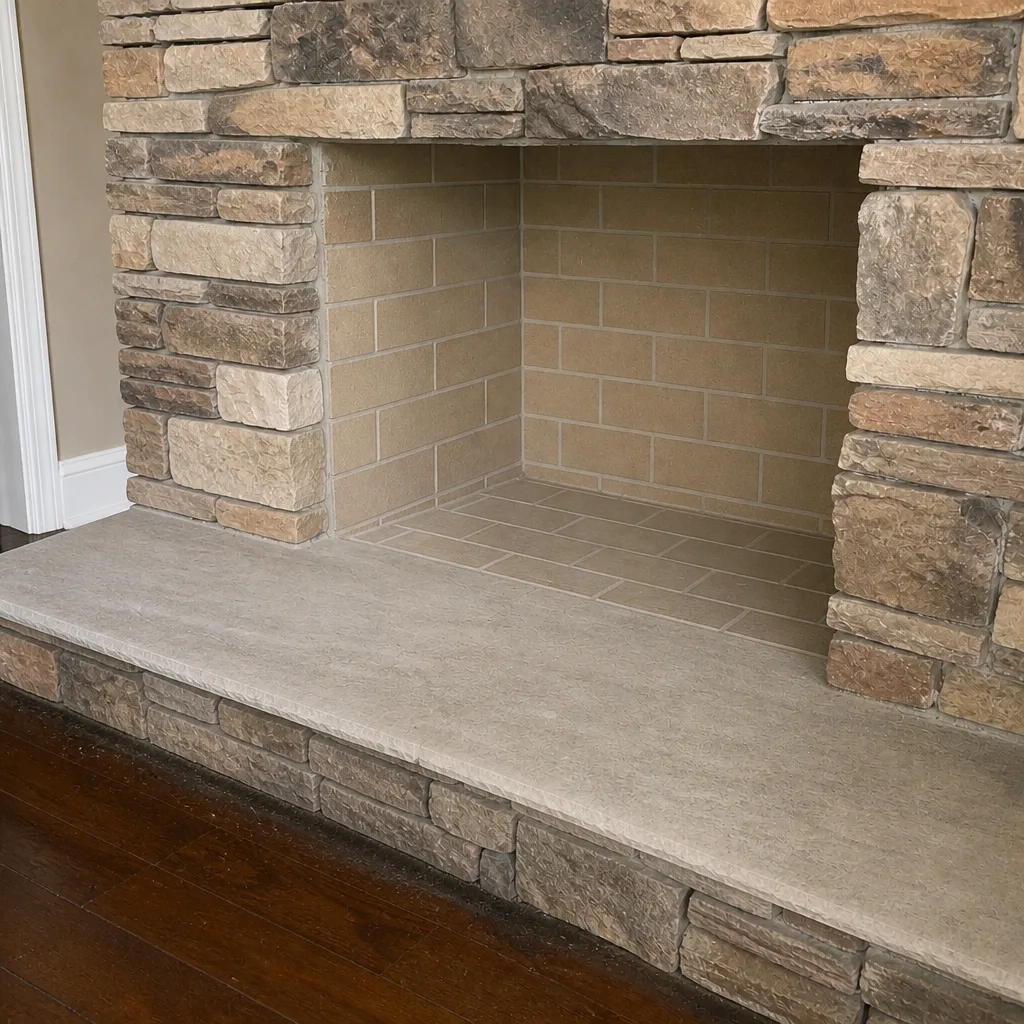
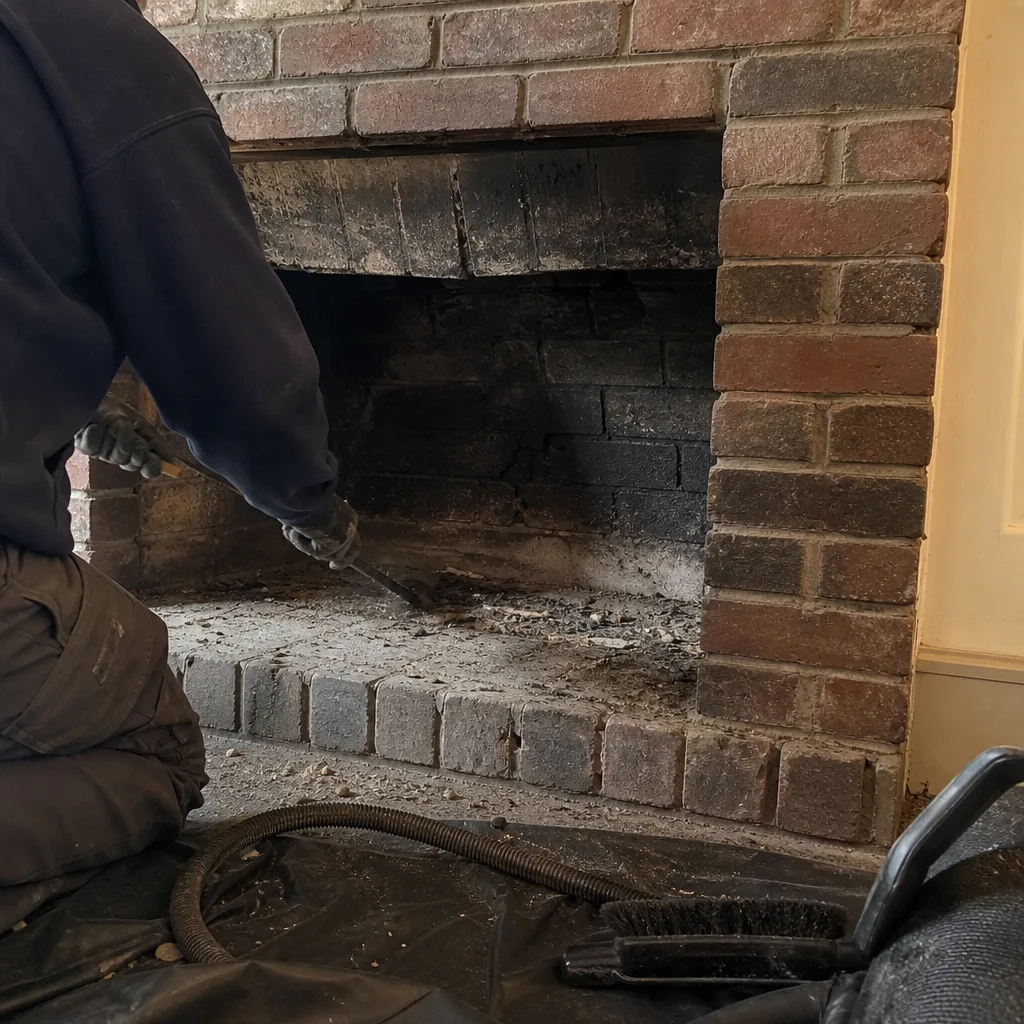
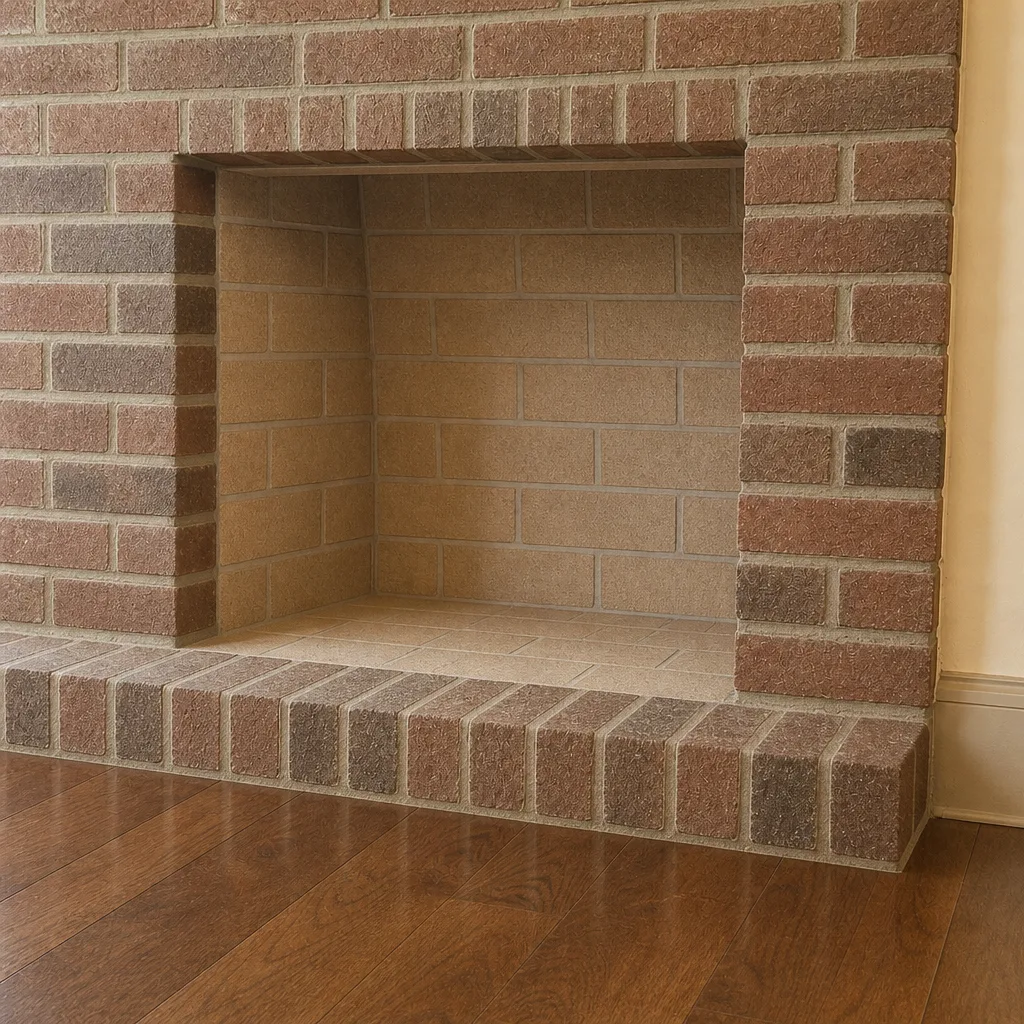
See the difference
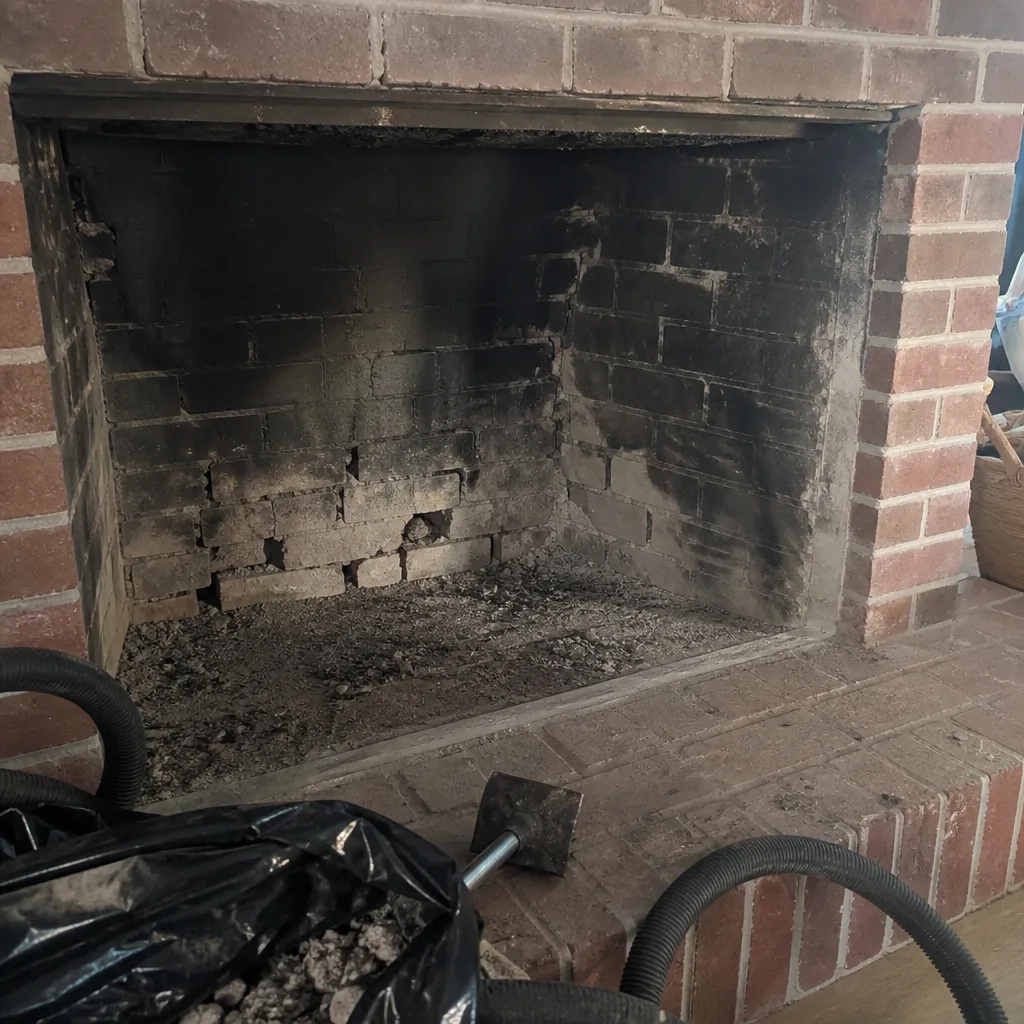 Before
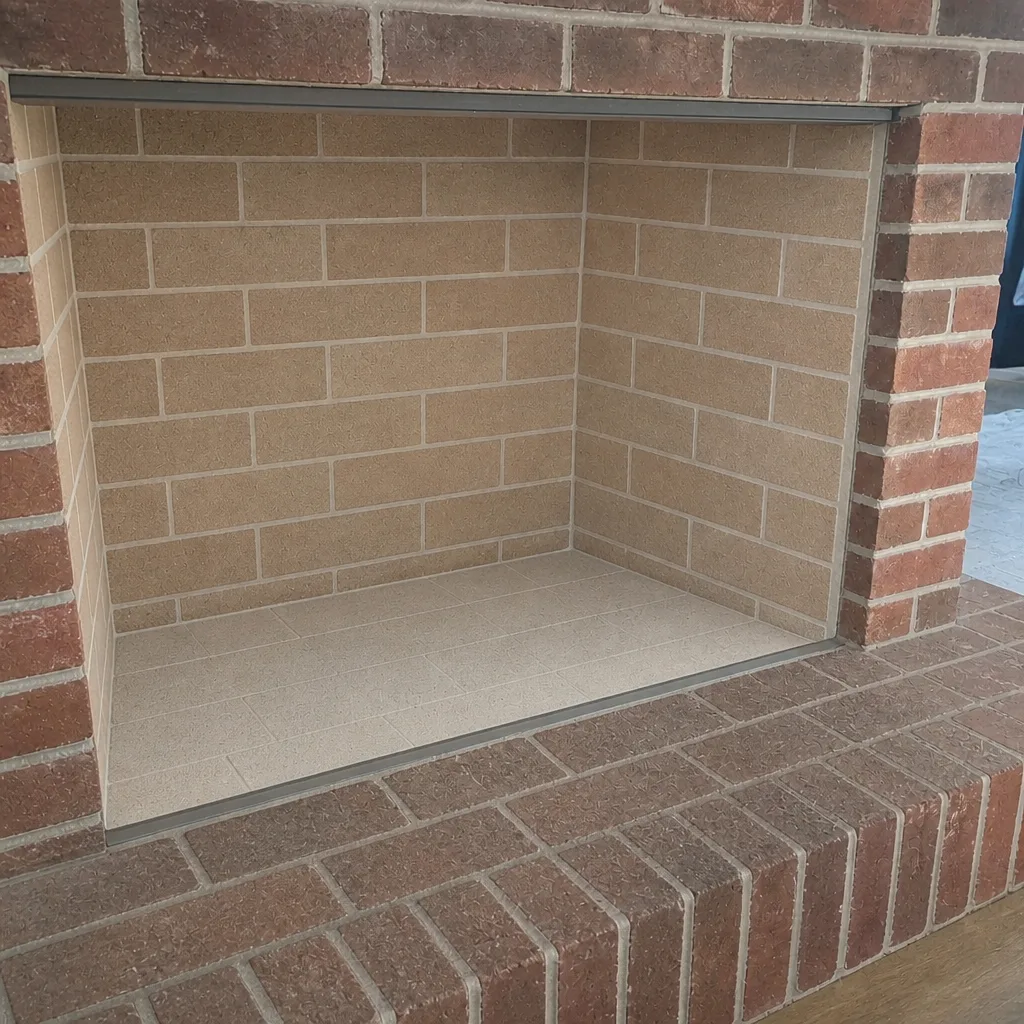 After
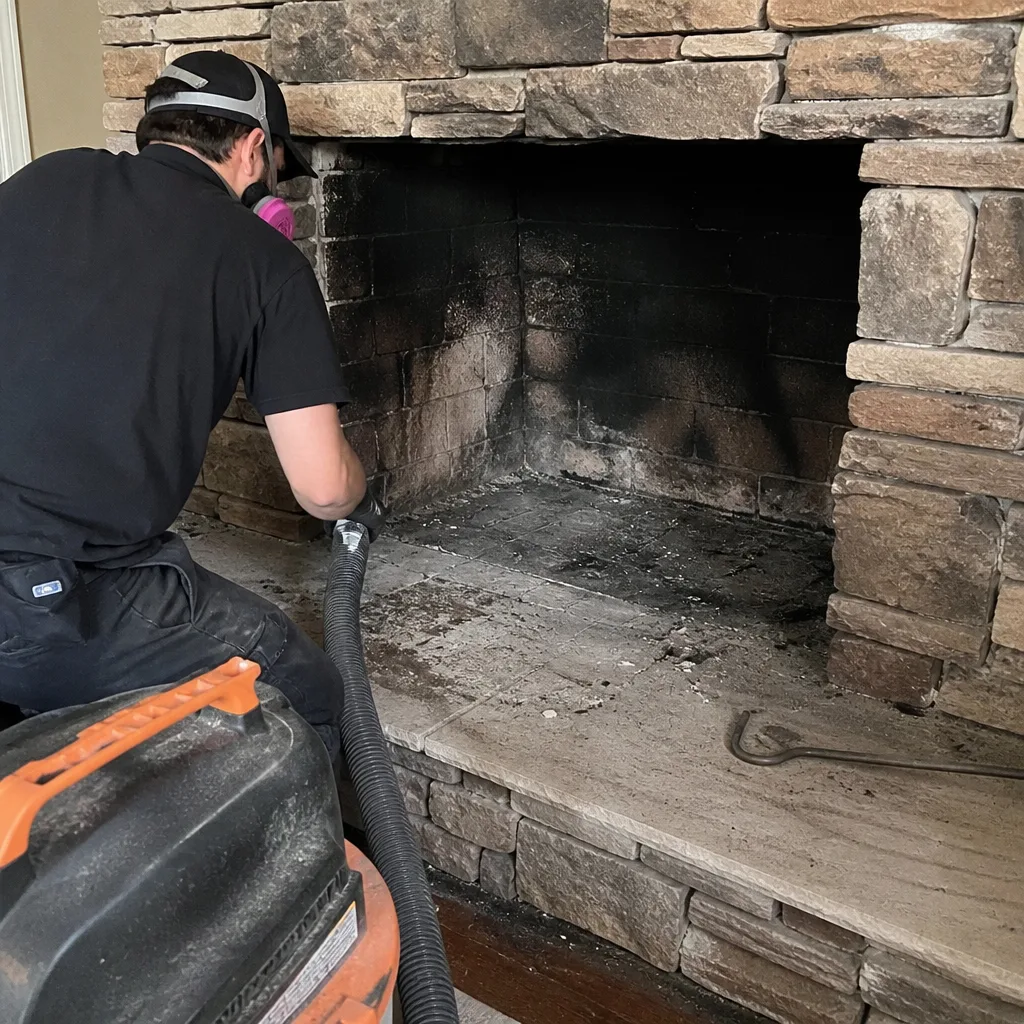 Before
 After
 Before
 After
When to Call a Professional
Some chimney maintenance has to be done by a trained technician, and calling anyone else is a bad idea for safety reasons. If you smell smoke inside the house when the fireplace isn’t burning, that’s a draft problem that needs diagnosis. If you see creosote buildup on the flue walls (a black, shiny, or flaky residue), that has to be removed professionally. If the chimney has visible cracks in the masonry or the crown, water intrusion is almost certainly starting. If a carbon monoxide detector goes off and there’s a gas appliance connected to the chimney, get people out and call for service. If you’ve never had the chimney swept, or it’s been several years, book a sweep and inspection before the next burning season. And if you’re not sure whether the dryer vent has ever been cleaned, that’s the simplest call of all.
Chimney Sweep High Point offers free estimates in High Point. Call (877) 798-3391. We answer 24/7. Fast dispatch from 7am to 7pm, Sunday through Friday. Our technicians have up to 14 years of experience, and we work with DuraFlex, HeatShield, Gelco, Olympia Chimney, Famco, and Copperfield products because those are the brands professional crews actually use.
Frequently Asked Questions
Once a year for most households that burn wood regularly, and once a year as a baseline even for gas appliance connections. A chimney is typically swept when creosote buildup reaches about 1/8 inch on the flue walls, so a heavy burner may need it twice in a season and a light user may go longer between visits. The annual inspection is the more important habit; the sweep frequency should follow what the inspection finds. Call (877) 798-3391 for an exact quote, estimates are free.
Creosote accumulates in the flue, and when it builds up enough, it can ignite. A chimney fire can reach high enough temperatures to crack flue tiles and, in serious cases, reach the structure of the house. Even without a fire, ongoing buildup reduces draft, which sends smoke into the living space. And skipping the inspection means small problems like a cracked crown or a failing joint go unnoticed until they’ve grown into structural repairs. The annual visit is the cheapest version of this work you’ll ever pay for.
Only if a video inspection shows damage the liner can’t handle: cracked or missing tiles, gaps at the joints, or a flue sized wrong for the appliance. In many cases, HeatShield resurfacing can restore flue integrity without a full reliner replacement, so it’s worth asking specifically whether resurfacing is an option before committing to a new liner. No liner should be recommended without camera evidence you can see for yourself.
It depends on the chimney, the appliance connection, and whether inspection is included, so we don’t publish a flat number that would be wrong for half the homes in High Point. What you should get is a written estimate before booking that specifies the cleaning scope and the inspection scope. Call (877) 798-3391 for an exact quote, estimates are free.
No. CSIA certification is voluntary in North Carolina, not legally required. That means the homeowner is responsible for verifying the contractor’s training, and it’s why this guide exists. Anyone can claim to be a chimney sweep; only a certified technician can prove their training with a verifiable certification body. Ask which organization certified them and verify it independently before booking.
Yes, and you should ask for it as part of the same visit. Dryer vent cleaning addresses lint buildup that most homeowners never see, and it’s a genuine fire risk that gets overlooked because the vent isn’t in the living space. Having both done by the same crew means one trip, one invoice, and one set of documentation. Call (877) 798-3391 to schedule both together.
The Bottom Line
The chimney trade has almost no barrier to entry, so the vetting process for hiring a sweep in High Point has to be more rigorous than checking reviews. Verify the certifying body. Request general liability and workers’ comp certificates before booking. Ask about camera equipment and manufacturer relationships. Expect a written scope up front and a written inspection report after. Treat liner pressure before cleaning as a hard stop. The best contractors will welcome every question, because they’ve built their work around being able to answer them. If you’re ready to book with a crew that does all of that, Chimney Sweep High Point is one call away. Call (877) 798-3391. We answer 24/7. Fast dispatch from 7am to 7pm, Sunday through Friday. Estimates are free, and every visit includes a camera inspection and photo report so you can see what we see before any work is recommended.
Written by the team at Chimney Sweep High Point.