
Last updated November 14, 2026
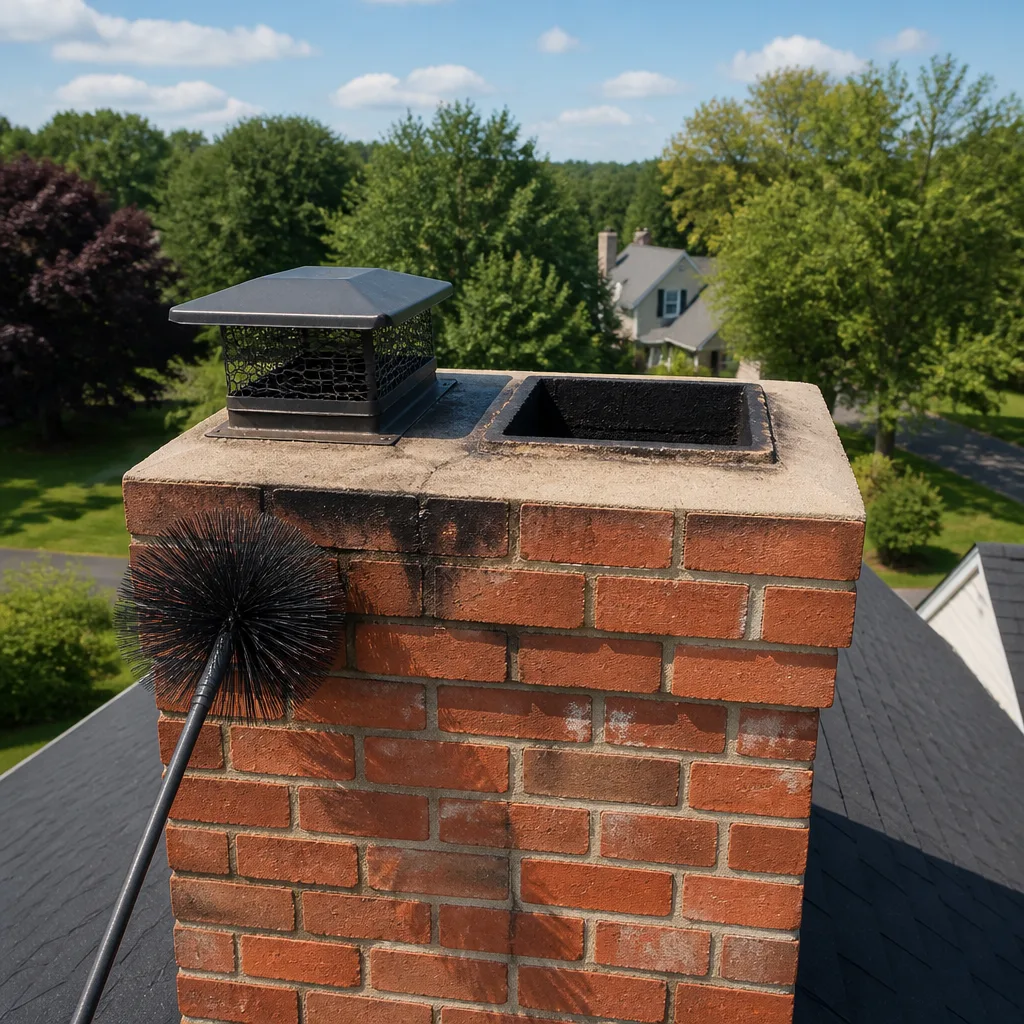 Sweep & inspection
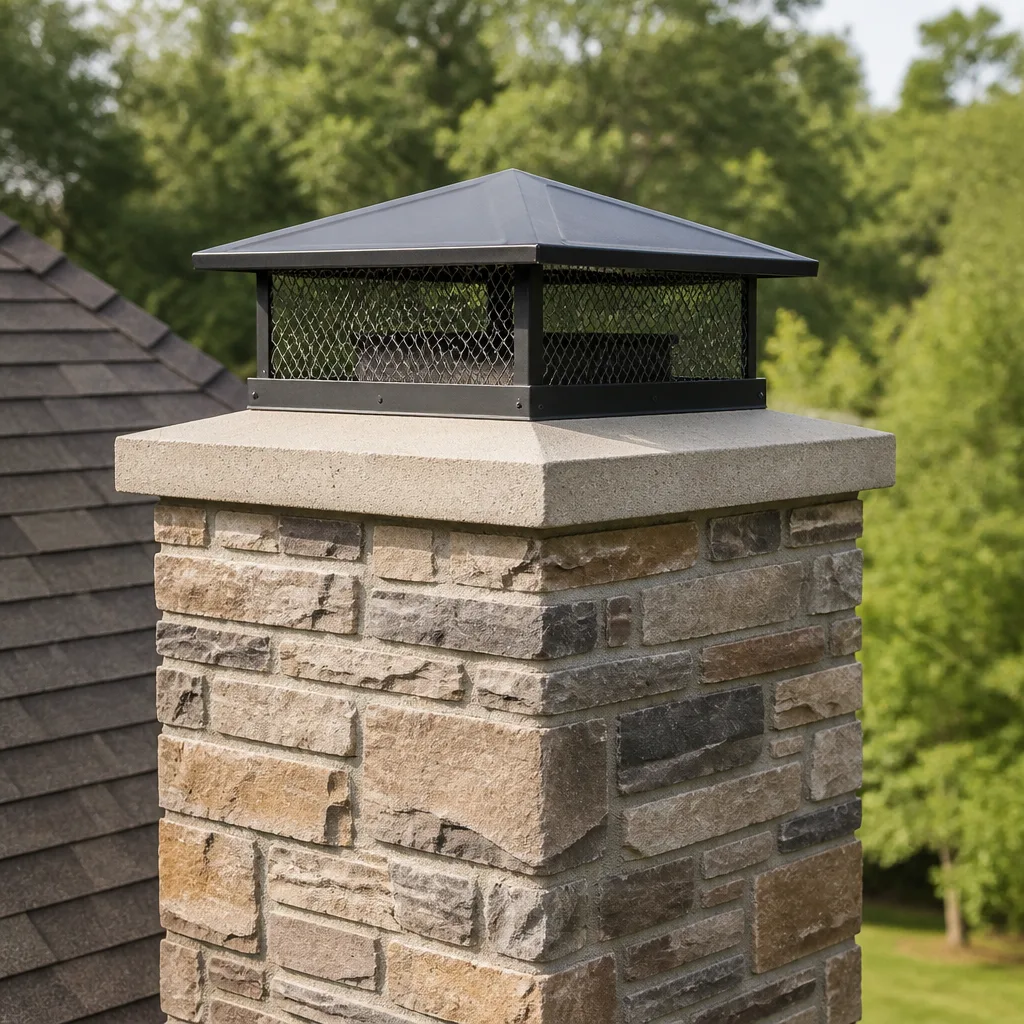 Caps & crowns
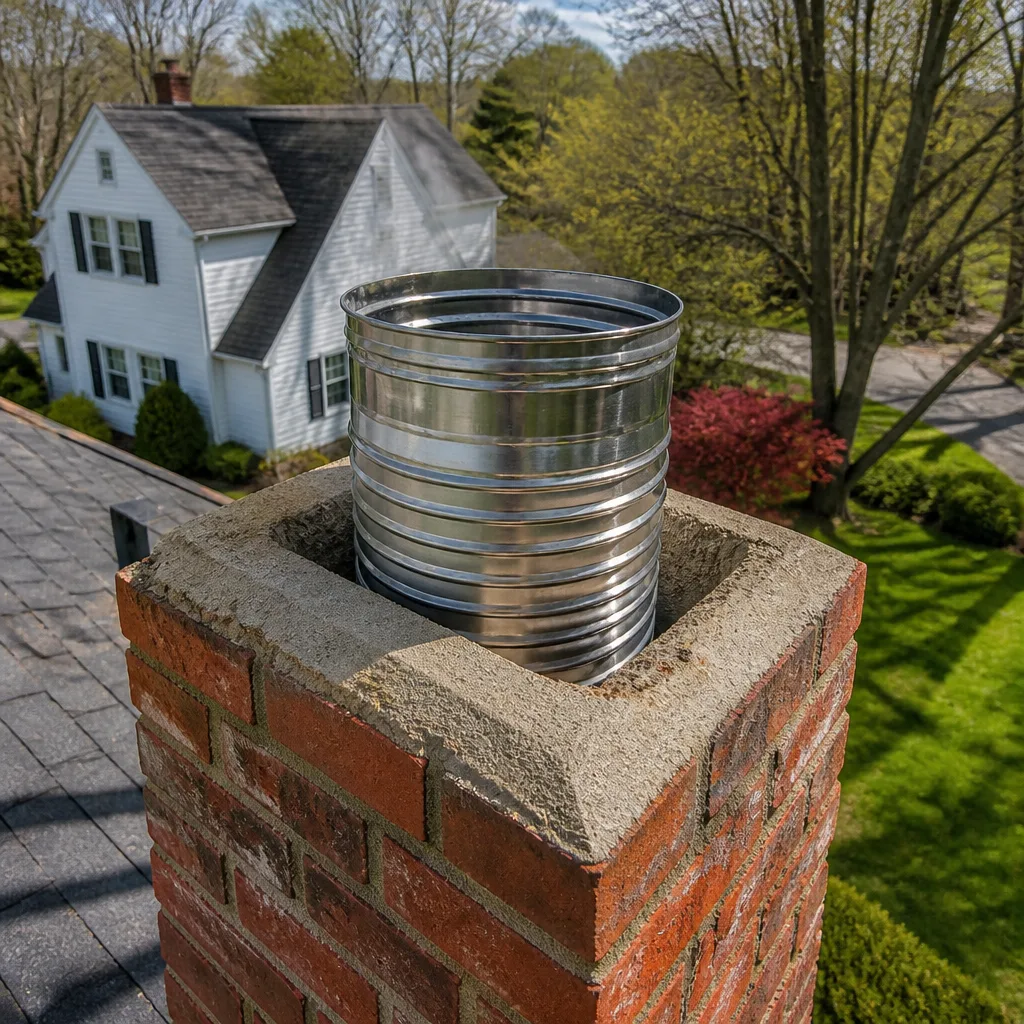 Flue relining
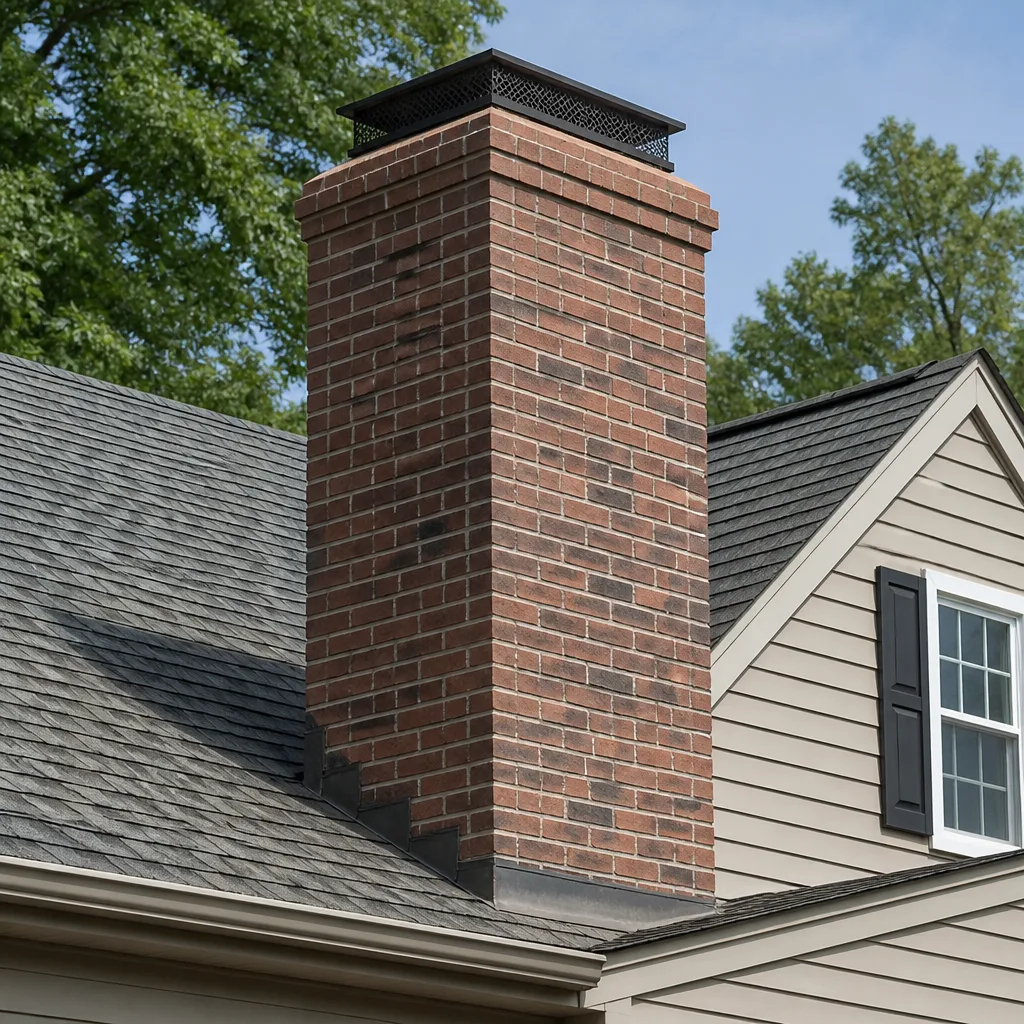 Masonry repair
 Gas fireplace service
Level 1 sweep and inspection to the NFPA 211 annual standard - flue, crown, cap, and flashing checked and photographed
Chimney sweep logs do not sweep chimneys. They loosen some creosote - which then falls where a brush and vacuum still have to collect it.
Chimney Sweep Troubleshooting in High Point: Common Problems and How to Fix Them
A smoky fireplace isn’t always a chimney problem. In a lot of the homes we walk into around High Point, the chimney is clean, the flue is open, and the fire still won’t draw. The cause is pressure: the house itself is fighting the chimney for air, and no amount of sweeping changes that. Other times the problem really is inside the flue – a cracked crown, a warped damper, a nest, or a layer of creosote that’s already past the stage a standard brush will handle. On this page we walk through the signs you can read from the firebox opening, what each one generally means, and where troubleshooting stops being a homeowner job. You’ll learn how to tell backdrafting from blockage, what different smoke smells point to, and when a High Point chimney needs a technician instead of another log.
Quick Answer
Most chimney problems in High Point fall into three groups: drafting and pressure issues (often the house, not the chimney), obstruction or buildup inside the flue (creosote, nests, debris), and structural damage to the firebox or crown. A simple paper test and a careful look up the flue from the firebox opening can separate the first two before you call anyone. Any sign of stage-3 creosote, cracked firebox masonry, or a damaged flue liner means stop burning and have it inspected by a professional.
Styles & brands we work with
- Sweep & inspection
- Caps & crowns
- Flue relining
- Masonry repair
- Gas fireplace service
Table of Contents
- Is It Backdraft or Blockage? The Paper Test
- Reading Smoke Smells: Musty, Acrid, or Sulfuric
- Why a Damper That “Works Fine” Can Still Kill Your Draft
- Identifying Stage-2 and Stage-3 Creosote Without a Camera
- Structural Crack vs. Mortar Spall in the Firebox
- Wet Wood and Piedmont Weather
- The Vent Problem Homeowners Forget
- What a Diagnostic Visit Actually Covers
Is It Backdraft or Blockage? The Paper Test
The fastest way to sort drafting trouble from obstruction is a pressure check you can run yourself before anyone arrives. It won’t tell you whether your flue is clean. It tells you whether your house is pulling harder than your chimney.
Here’s the sequence:
- Make sure the firebox is cold and clear of ash and unburned wood.
- Close every window in the room and open one window a crack in a different room.
- Light a small rolled sheet of newspaper and hold it near the open damper, at the base of the flue, not in the firebox itself.
- Watch the smoke. If it rises straight up and out, you have draft. If it hovers, curls back into the room, or gets pushed down, you have a pressure problem or a blockage.
Now repeat the test with that window closed. If the smoke behaves better with the window open, the chimney is probably fine and your house is too tight – a common situation in High Point homes that have had windows replaced or air sealing work done. If the smoke reverses either way, something is blocking or restricting the flue and the next step is an inspection, not another fire.
One caution before you try this: never use a flame to test a flue you suspect is heavily coated in creosote, and never reach into the firebox or up the flue by hand. Creosote is flammable, and the flue interior can hide sharp edges, broken mortar, and nesting material. If you see heavy black buildup when you look up from the firebox, skip the test and call us. Scheduling a chimney sweep first is the safe order of operations.
Reading Smoke Smells: Musty, Acrid, or Sulfuric
What your fireplace smells like when it’s cold tells you more about flue condition than what it smells like when it’s burning. Homeowners often describe three distinct odors, and each points somewhere different. None of them are fixed by a scented candle or a spray.
Musty or damp-earth smell
This usually means moisture is getting into the flue or the smoke chamber. In High Point, where summers run humid and thunderstorms arrive fast, a missing or damaged rain cap lets water straight down the flue. Once the masonry stays wet, it stays cold, and a cold flue drafts poorly. The fix starts with the cap and the crown, then drying out and inspecting the liner.
Acrid, sharp, or bitter smell
An acrid smell that lingers after a fire often tracks with creosote – especially the glazed, tar-like stages. It can also come from a flue that’s been closed up all summer with soot still coating the walls. This is the smell that most often precedes a sweep. If it’s strong enough to notice from the next room, get it looked at before your next fire.
Sulfuric or rotten-egg smell
This one is different, and it’s worth taking seriously. A sulfur-like odor around a chimney can point to animal intrusion – birds, squirrels, or raccoons nesting in the flue – or to debris and moisture combining in a way that produces that smell. It can also, in rare cases, be a sign of a gas appliance venting improperly, which is a carbon monoxide concern and a reason to stop using the appliance and call for an inspection. Don’t assume it’s harmless. Call us and we’ll take a look.
Why a Damper That “Works Fine” Can Still Kill Your Draft
A damper can open and close smoothly and still be the reason your fireplace smokes. What matters isn’t whether the handle moves – it’s whether the plate seats flush when closed and opens fully flat when open. In older High Point homes, the throat damper sits in a masonry throat that has had decades of heat cycling, and the damper plate itself is often warped, rusted at the pivot, or sitting slightly off its frame.
Here’s how to check yours without tools:
- Open it fully and look up. The plate should sit flat against the sides of the throat, not tilted into the flue opening.
- Check for daylight gaps around the edges. A closed damper that lets light through is also letting conditioned air (and heat from the house) escape up the flue year-round.
- Look for rust and scale at the pivot points. A damper that’s stiff to move may not be opening all the way even when the handle feels like it’s at the end of its travel.
- Try the paper test with the damper fully open. If the smoke still rolls back, the damper isn’t the whole story.
The trap here is that a partially open damper looks fine from the living room. The fire struggles, you assume the flue is blocked, and you book a sweep for a problem the sweep won’t solve. When we inspect a fireplace, we check the damper plate and its frame as part of the visit. If the damper is warped or failing, we’ll tell you – and we’ll tell you whether it’s something that needs replacing or something you can live with for now.
Identifying Stage-2 and Stage-3 Creosote Without a Camera
Creosote buildup is graded in stages, and the stage matters because a standard sweep handles the early stages and struggles with the later ones. You can get a reasonable read on yours by looking up the flue from the firebox with a strong flashlight. You won’t see the whole flue, but the lower section usually tells you what kind of problem you’re dealing with.
Stage 1: soot and light flaky coating
Thin, dry, dusty flakes that brush off easily. This is normal between sweeps. A standard cleaning handles it.
Stage 2: crusty, flaky, or papery deposits
If you see a textured, crusty layer that looks like dried bark or flakes that have some thickness to them, you’re in stage 2. It’s still brushable in most cases, but it means the flue has gone longer than it should between cleanings, or the wood has been wetter than it should be. If the layer is thick enough to narrow the flue opening noticeably, that’s a sign the whole flue needs a careful inspection and probably a liner evaluation afterward.
Stage 3: glazed, shiny, tar-like coating
If the walls look wet, shiny, or like they’ve been painted with dark varnish or tar, you’re looking at stage 3. This is the dangerous one. It’s dense, it burns hot if it ignites, and it doesn’t respond to a normal brush pass. Stage 3 requires a different approach – chemical treatment, careful mechanical removal, and a full inspection afterward to check whether the heat has already done damage to the flue liner. Do not burn another fire until it’s addressed.
We can’t overstate this: any work inside the flue above the firebox is a job for a trained technician with the right tools and access. Flue interiors hide broken tile edges, loose mortar, and failures that a flashlight won’t show. You can look – that’s how you learn what’s going on – but leave the removal to us. If you see glossy black coating up there, call (877) 798-3391 and describe what you saw. We’ll tell you what to expect before we arrive.
Structural Crack vs. Mortar Spall in the Firebox
The firebox interior is where the two most misread problems in chimney repair live: structural cracks and mortar spalling. They look similar from a few feet away and they demand completely different responses.
Structural cracks run through the brick or the refractory material itself. They’re often wider at one end, they may continue across a corner into a side wall, and they can let heat and combustion gases move through the masonry into the chimney structure behind it. These need immediate attention – a cracked firebox is a route for carbon monoxide into the home.
Mortar spalling is the mortar between bricks breaking down – pitting, flaking, or crumbling off in layers. It’s a sign of moisture cycling and age. Spalling is less urgent than a through-crack, but it still needs repair because failed mortar eventually undermines the bricks it holds.
Here’s how to tell them apart:
- Look at the line, not the texture. A crack is a continuous line through the material. Spalling is surface breakdown – it’s rough and patchy, not a clean line.
- Check for depth. A crack that’s visible along its whole length with a real gap is structural. A spalled surface has texture and crumbling, not a gap.
- Look at the corners and the back wall. Corner cracks that spread out from the seams are a structural warning sign.
Misreading one for the other has real costs. A homeowner who assumes a through-crack is “just old mortar” burns a fire into a compromised box. Someone who thinks spalling is a crack gets quoted for a full firebox rebuild that wasn’t needed. Get it assessed properly before you spend money. Our Chimney Sweep High Point team can assess your firebox without guessing.
Wet Wood and Piedmont Weather: Why Draft Problems Cluster in High Point
High Point sits in the Piedmont, and that matters to how your chimney behaves through the year. Summer humidity runs high, spring and fall bring fast-moving storms, and winter swings between cold snaps and mild stretches. Wood pile management in that cycle takes more attention than it does in a drier climate.
Wet wood is the quiet cause of a lot of the symptoms homeowners call us about – poor draft, smoky fires, acrid smells, and faster creosote buildup. Here’s the practical side:
- Season length: dense hardwoods need a full summer and then some. Wood split in spring and stacked for winter use may still be too wet to burn cleanly.
- Storage: a tarp on top, open sides for airflow, off the ground and away from the house wall. A tarp draped over the whole pile traps moisture in.
- Signs of wet wood: hissing, bubbling at the ends, heavy smoke, and dark flue walls after a burn.
Burning wetter wood doesn’t just smell bad – it lays down creosote at a rate that catches homeowners off guard, especially in the cooler months when fires run longer. If you’ve been burning wood of uncertain moisture, get the flue checked before you settle into the cold weather.
The Vent Problem Homeowners Forget: Dryer Lint
While you’re thinking about venting in the house, look at the dryer. Dryer vent buildup is one of the most commonly overlooked fire hazards in a home, and in our experience most people have never had theirs actually cleaned. Lint accumulates in the duct run – especially on the flexible sections and at the exterior termination – and the exhaust has to fight its way out.
A quick self-check: run the dryer on a normal load. If the outside flap barely moves, or the laundry comes out damp at the end of a cycle, or the dryer feels hot to the touch around the body, the vent is probably restricted. That’s a case for professional dryer vent cleaning, not a lint-trap empty.
We handle this alongside our chimney work for a simple reason: it’s the same kind of hazard. Lint and creosote are both combustible residue in a flue, and both build silently. If you’re booking a chimney sweep, it’s a natural time to have the dryer vent done by the same team, on the same visit, with the same attention to the ductwork. One call, two risks handled.
What a Diagnostic Visit Actually Covers
We do a chimney sweep, not a checklist with a sales pitch attached. Here’s what we actually do when we arrive at a home in High Point.
- Inspect the firebox and damper. Firebox condition, damper plate seating, throat condition, and any signs of structural trouble.
- Sweep the flue. Professional rods and brushes sized to the flue; we work from the damper up.
- Camera inspection. A camera down the flue lets us actually see the liner, joints, and any stage-3 creosote or damage. You see the footage too. If there’s nothing to fix, we’ll tell you that – and the written estimate will tell you what we recommend, with the evidence from the camera inspection to back it up. You decide from there; you don’t have to take our word for it.
- Check the cap, crown, and flashing. These are where most water problems start, and a bad cap is cheap to fix before it becomes a flue problem.
- Walk you through what we found. Flat price agreed before we book, written estimate after inspection, and no pressure to fix anything if it can safely wait.
If the inspection turns up a problem that needs a professional product, we work with the kinds of brands other professional chimney crews actually trust: HeatShield for flue resurfacing, DuraFlex for flexible liners, and Olympia Chimney or Copperfield for replacement components. Proper-fit caps and covers come from Gelco and Famco. Trade-grade materials, not hardware-store substitutes, and we’ll explain why the specific product matters for your specific problem.
Common Mistakes to Avoid
- Burning a fire to “test” a suspect flue. If you already know there’s heavy buildup or a crack, don’t burn. A test fire in a compromised flue risks ignition and carbon monoxide. Get it inspected cold instead.
- Assuming a smoky fireplace means a dirty chimney. Pressure problems look identical from the living room. Run the paper test before you book a sweep for a problem a sweep won’t fix.
- Treating an acrid smell with air freshener. The smell is telling you something about the flue. Masking it just delays the inspection.
- Ignoring a warped damper. A damper that moves but doesn’t seat flush is costing you heat year-round and undermining every fire you build.
- Scrubbing stage-3 creosote with a hand brush. Glazed creosote doesn’t brush off, and the tools and access needed are beyond what a homeowner should attempt. Call for a pro.
- Assuming surface crumbling means a rebuild. Spalled mortar is not the same as a through-crack. Get the firebox assessed before accepting a rebuild quote.
- Forgetting the dryer vent. Lint buildup is a real fire risk on its own, and it’s cheap to handle while a technician is already in the house.
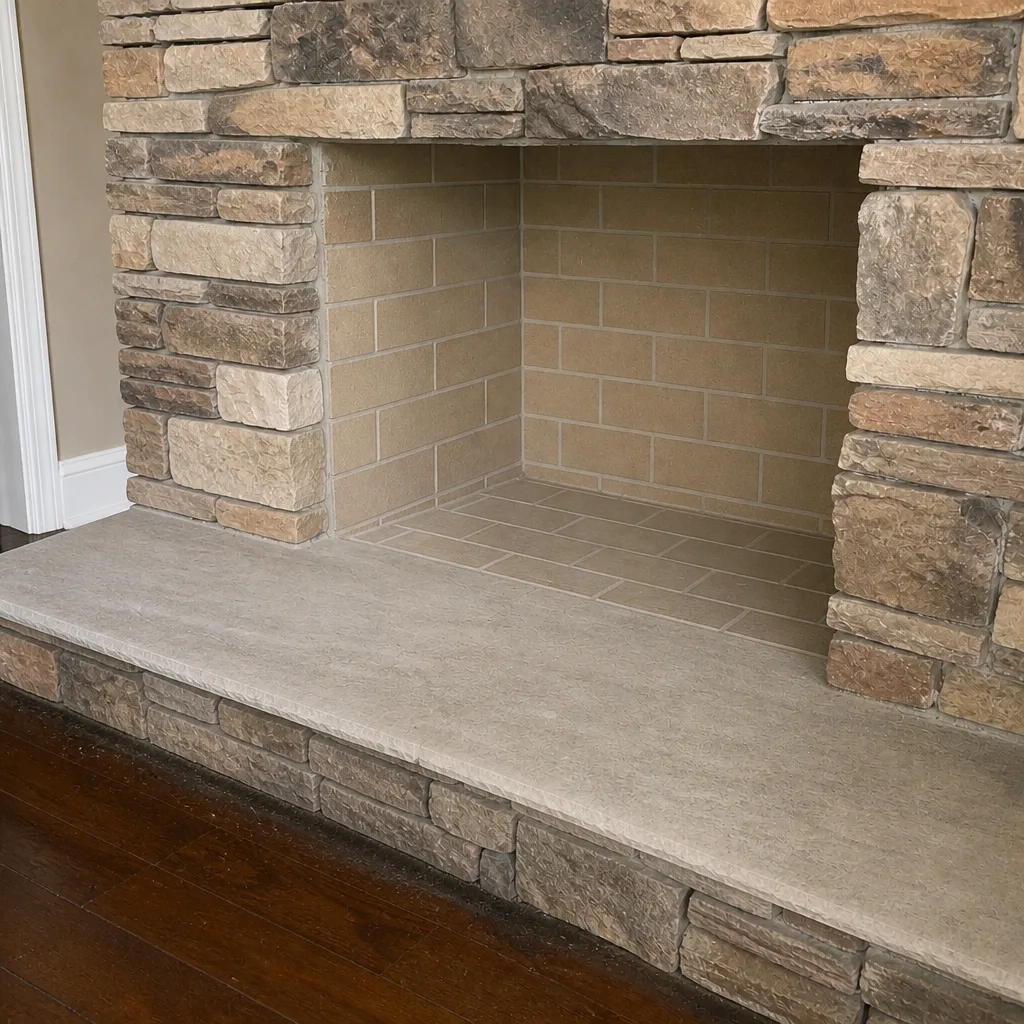
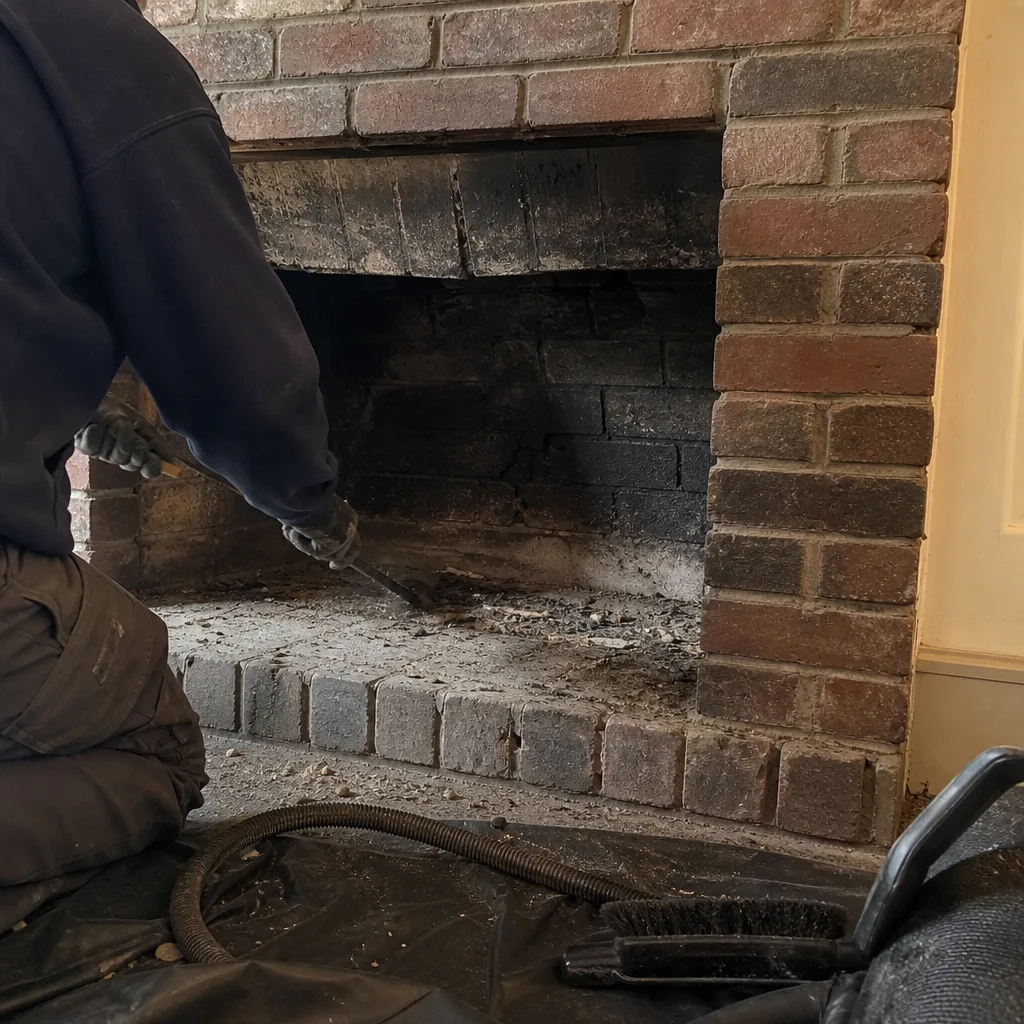
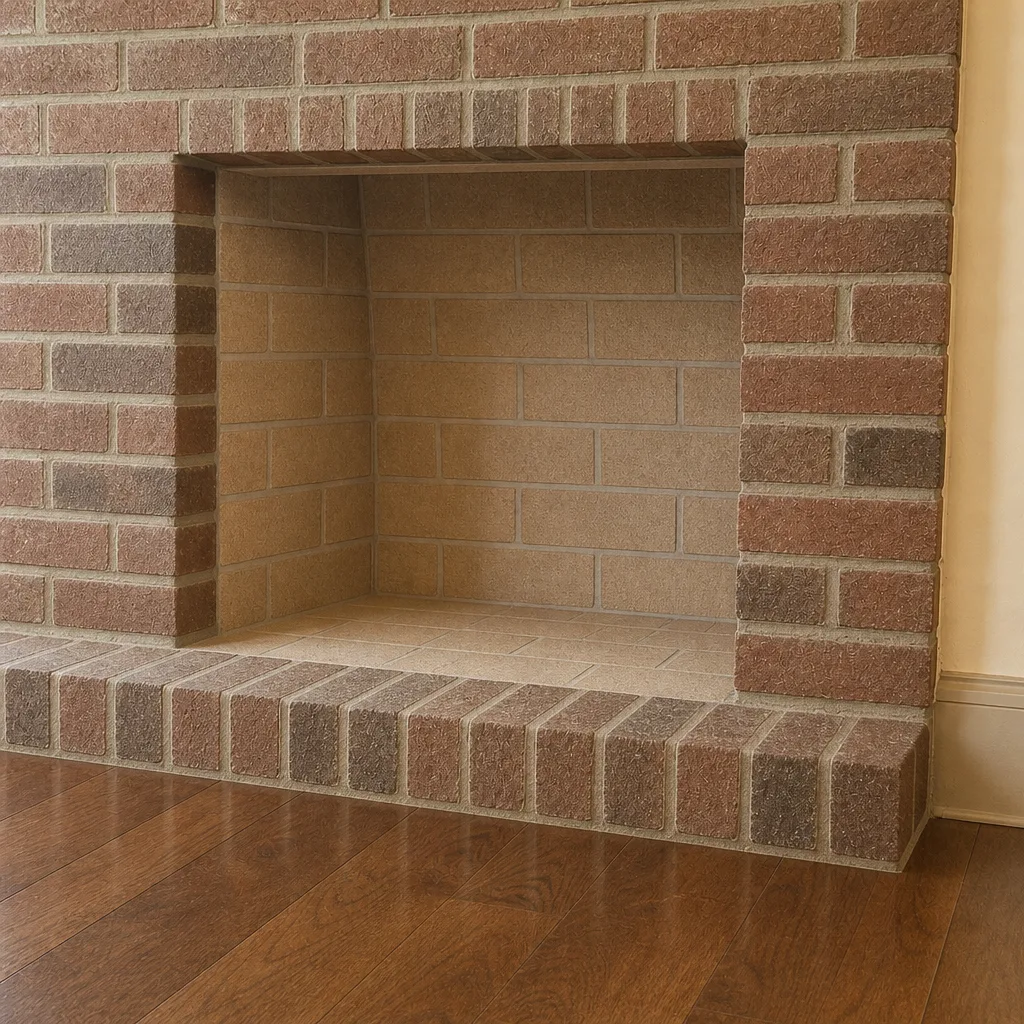
See the difference
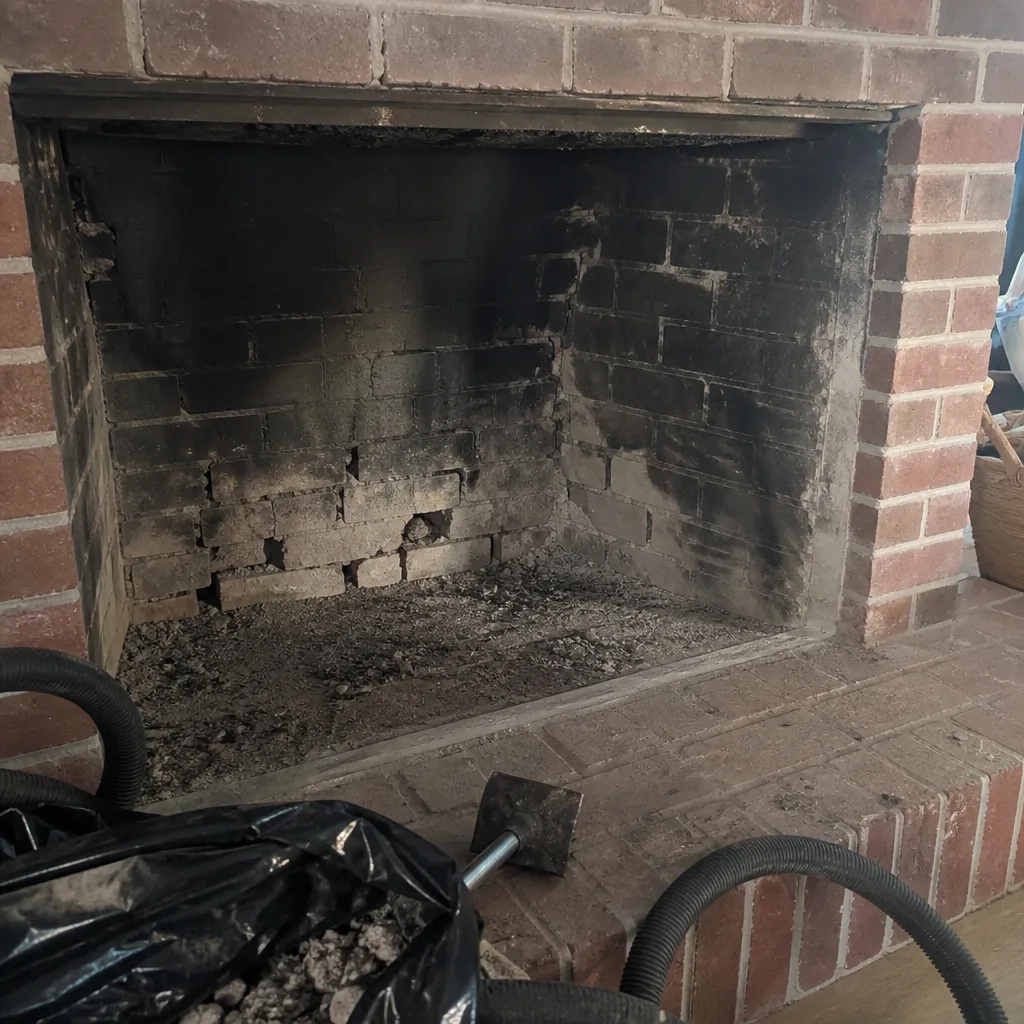 Before
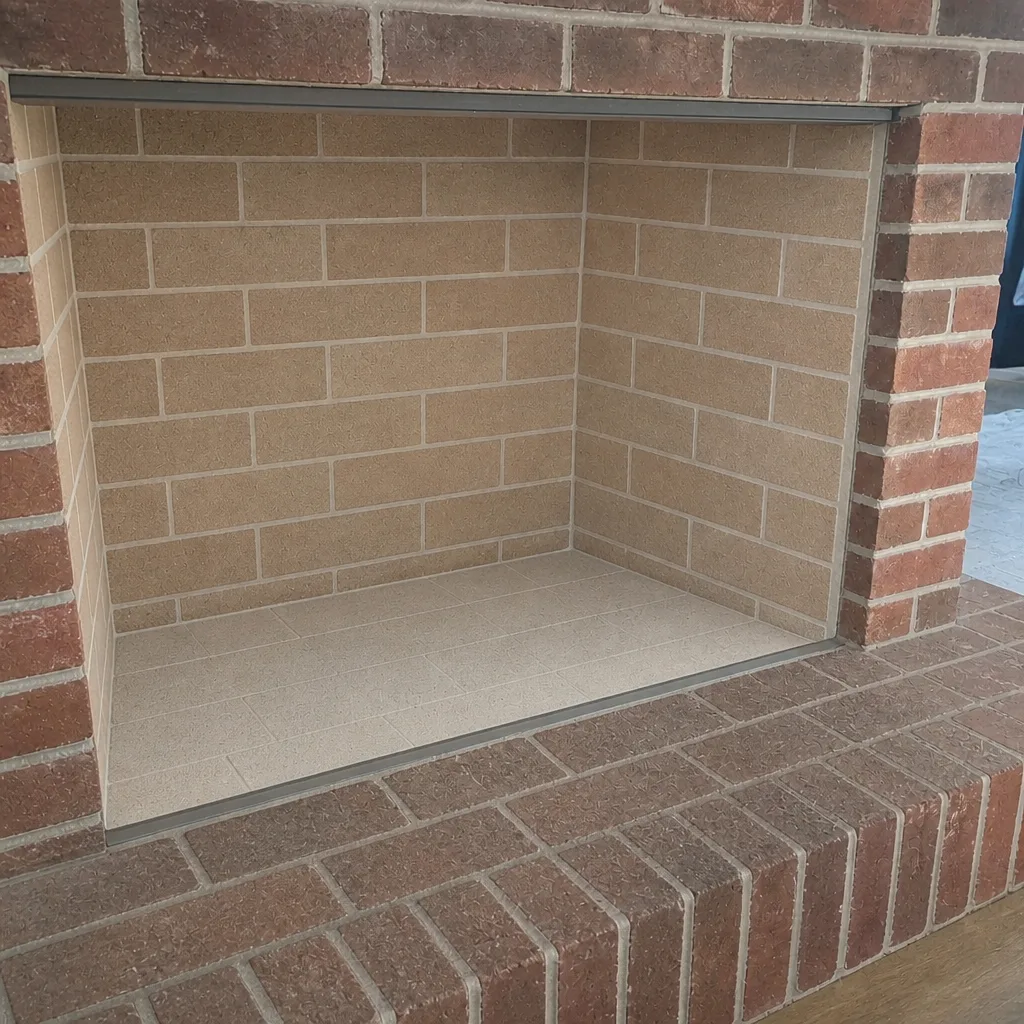 After
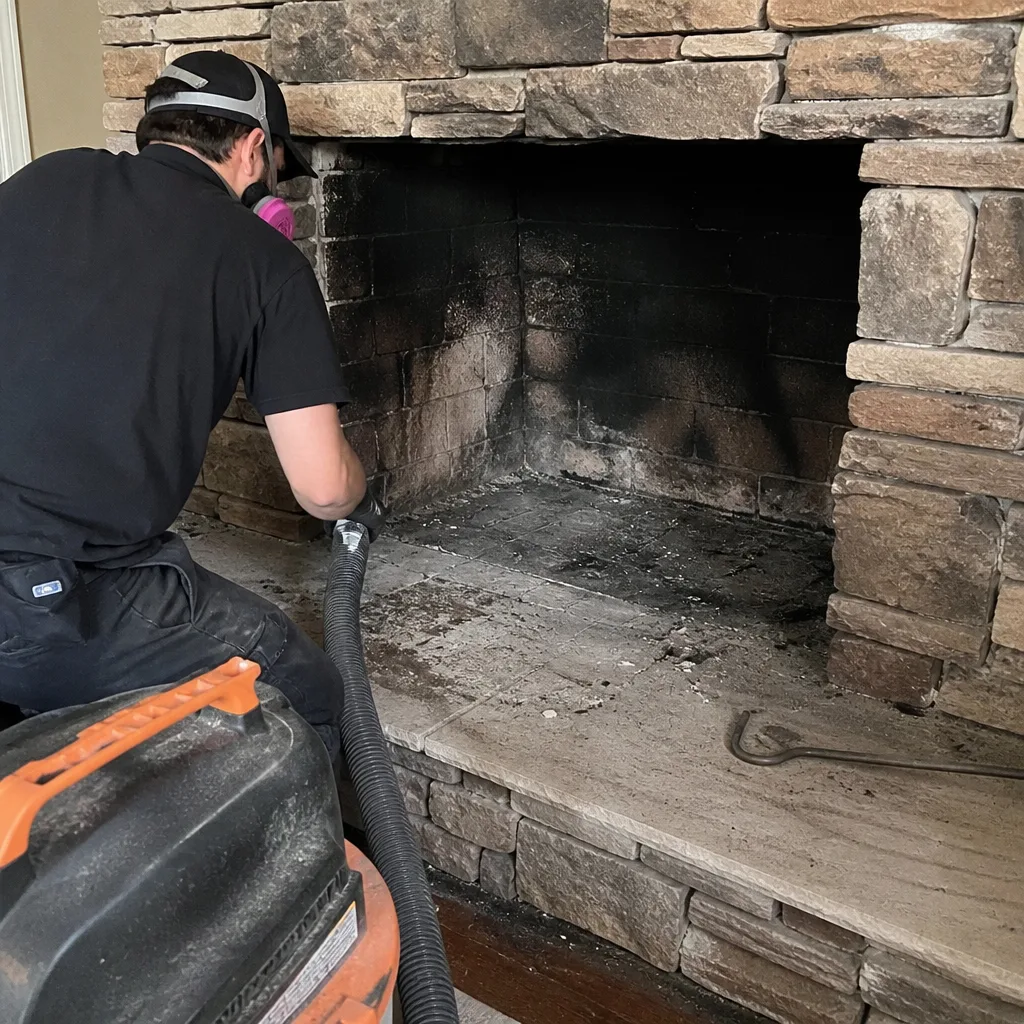 Before
 After
 Before
 After
When to Call a Professional
Call us when the paper test reverses with the window closed and open. Call us when you see glossy black creosote on the flue walls from the firebox, when the firebox shows a continuous line crack through the brick, or when the smell around the chimney is sulfuric. Call us when a damper is warped or rusted and the fire struggles even after a clean. Call us when the dryer is running hot and taking longer on a normal load. Call us if it has been a season since the last sweep. Chimney Sweep High Point offers free estimates in High Point – call (877) 798-3391. We answer 24/7. Fast dispatch from 7am to 7pm, Sunday through Friday.
Frequently Asked Questions
A standard chimney sweep in High Point typically runs around $180 to $340 depending on the flue’s condition and access. If the inspection turns up stage-3 creosote or liner damage, the repair quote is separate and priced per job from the written estimate. Call (877) 798-3391 for an exact quote – estimates are free. We’ll give you a flat price before we book.
Not usually. Many flues that come to us needing a liner actually just need cleaning and inspection, or HeatShield resurfacing if there’s surface damage to the clay tile. A liner is warranted when the clay tile is cracked or the flue is failing structurally. The camera inspection is how you decide – you see the footage, you get a written estimate, and you’re not obligated to anything.
Once a year for most wood-burning homes, and that’s a reasonable starting point regardless of how many fires you burn. Homes burning wet wood or unseasoned wood need a check sooner. Gas appliance flues should also be inspected yearly, even though they don’t build creosote the same way.
That pattern points to a pressure problem. Modern homes sealed against outdoor air pull against the chimney for combustion air, so the smoke has nowhere to go but the room. Run the paper test with a window cracked and again with it closed – if the draft improves with the window open, the chimney is likely fine and the fix involves air supply. Our High Point team can confirm during a diagnostic visit.
You can handle minor surface soot at the firebox level, but the flue itself needs professional rods, brushes, and access to the full run. Stage-2 and stage-3 creosote are above the level most homeowners should attempt, and the flue interior can hide broken tile or loose mortar you can’t see from below. A sweep done wrong leaves buildup behind, and that’s what you’re trying to eliminate. Call (877) 798-3391 for a sweep.
Yes. Both are about combustible residue in a venting system, and both are hazards that build quietly. We include the dryer vent as a dedicated service alongside chimney sweeping because it’s the same risk and the same call.
The risk compounds quietly. Creosote builds, a flue that drafts poorly sends smoke and combustion gases into the house, and a crack in the firebox or liner can send carbon monoxide where it shouldn’t go. None of this announces itself. It builds until it doesn’t. Our technicians have up to 14 years of experience and they see plenty of homes where a routine sweep would have caught the problem much earlier. Call (877) 798-3391. We answer 24/7. Fast dispatch from 7am to 7pm, Sunday through Friday.
The Bottom Line
Reading your own chimney symptoms is worth the effort. Whether the problem is pressure, blockage, a warped damper, or stage-3 creosote, the clues are there from the firebox opening. The paper test and a careful visual check tell you a lot. What you find tells you whether this is a cleaning, an inspection, or a stop-burning situation. When the answer isn’t clear, call. A proper sweep and camera inspection answers every question with evidence you can see, not a sales pitch – and if nothing needs doing, we’ll tell you that and fix nothing. We handle chimney sweeping, dryer vent cleaning, and chimney repair in High Point, start to finish.
Contact
Use the page’s direct guidance to call (877) 798-3391 for a free estimate.
Written by the team at Chimney Sweep High Point.