
Last updated November 14, 2026
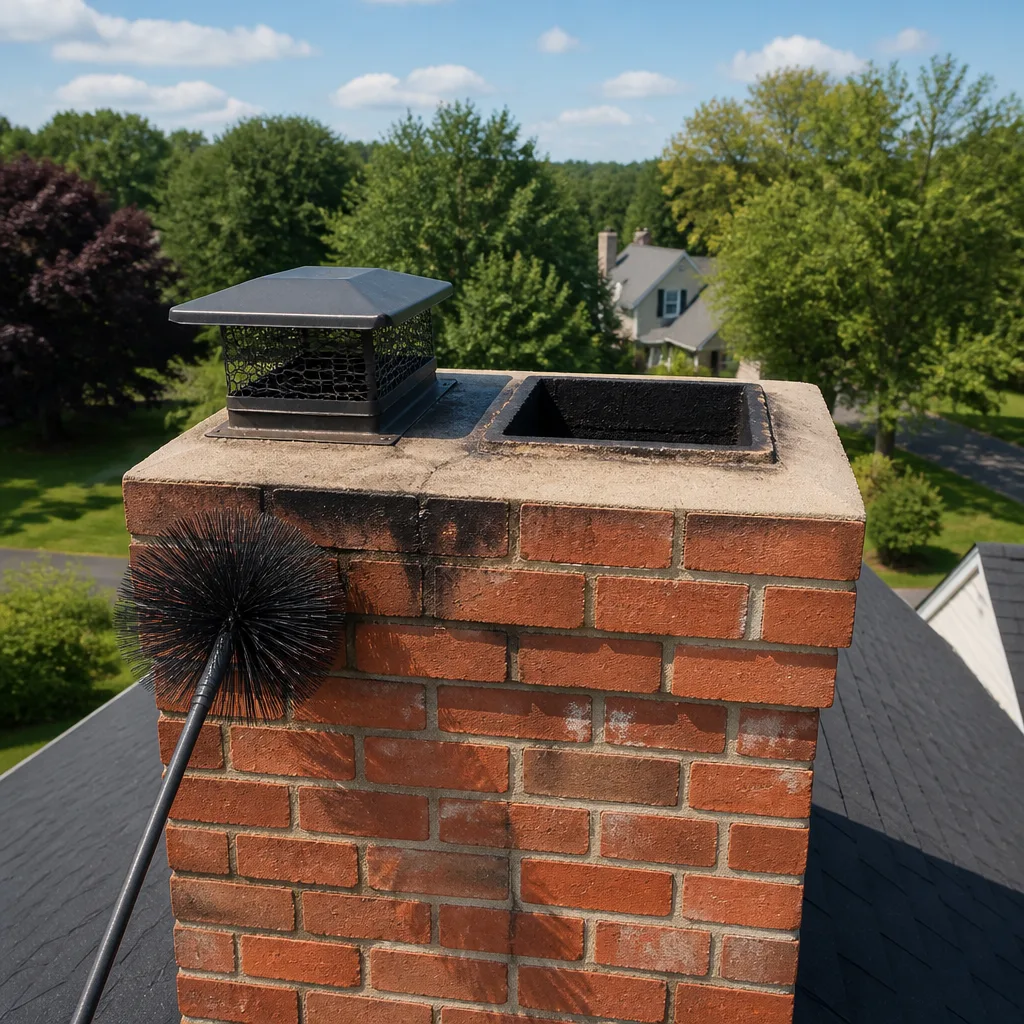 Sweep & inspection
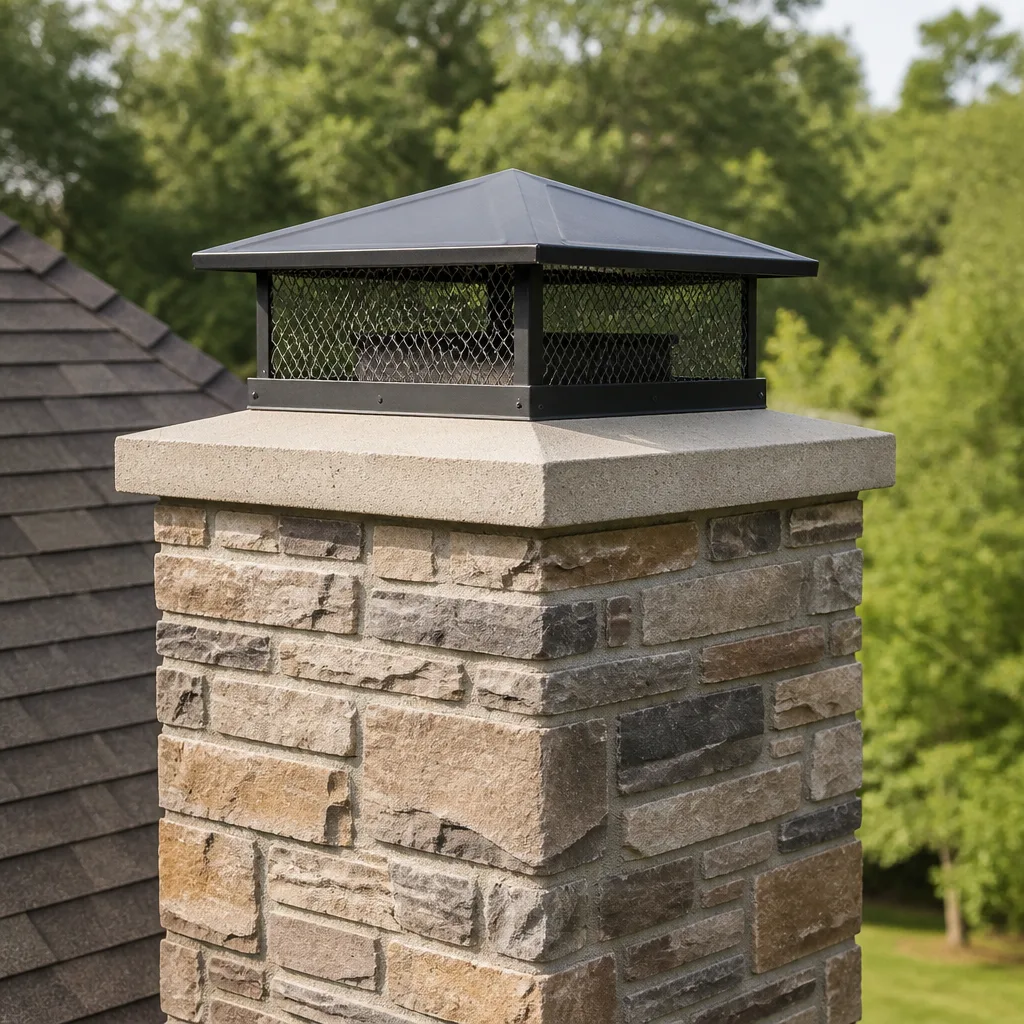 Caps & crowns
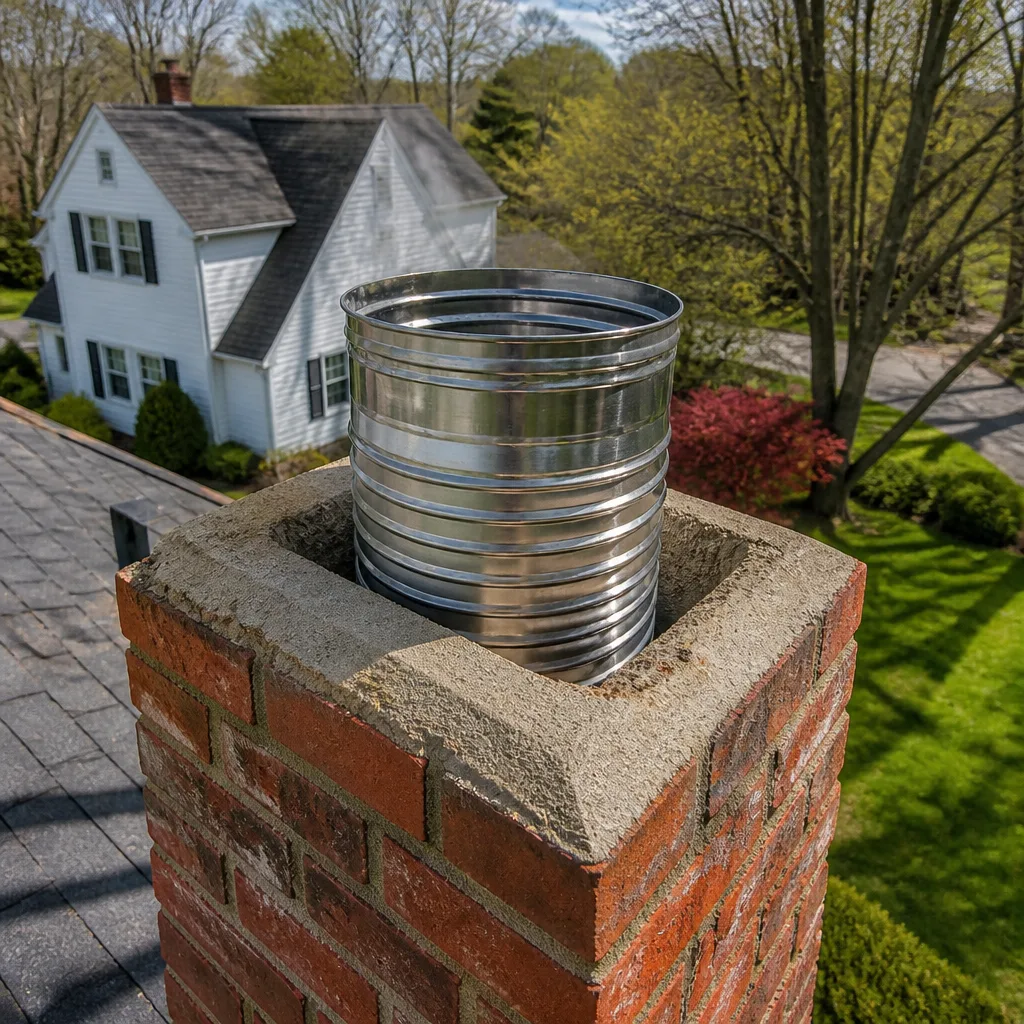 Flue relining
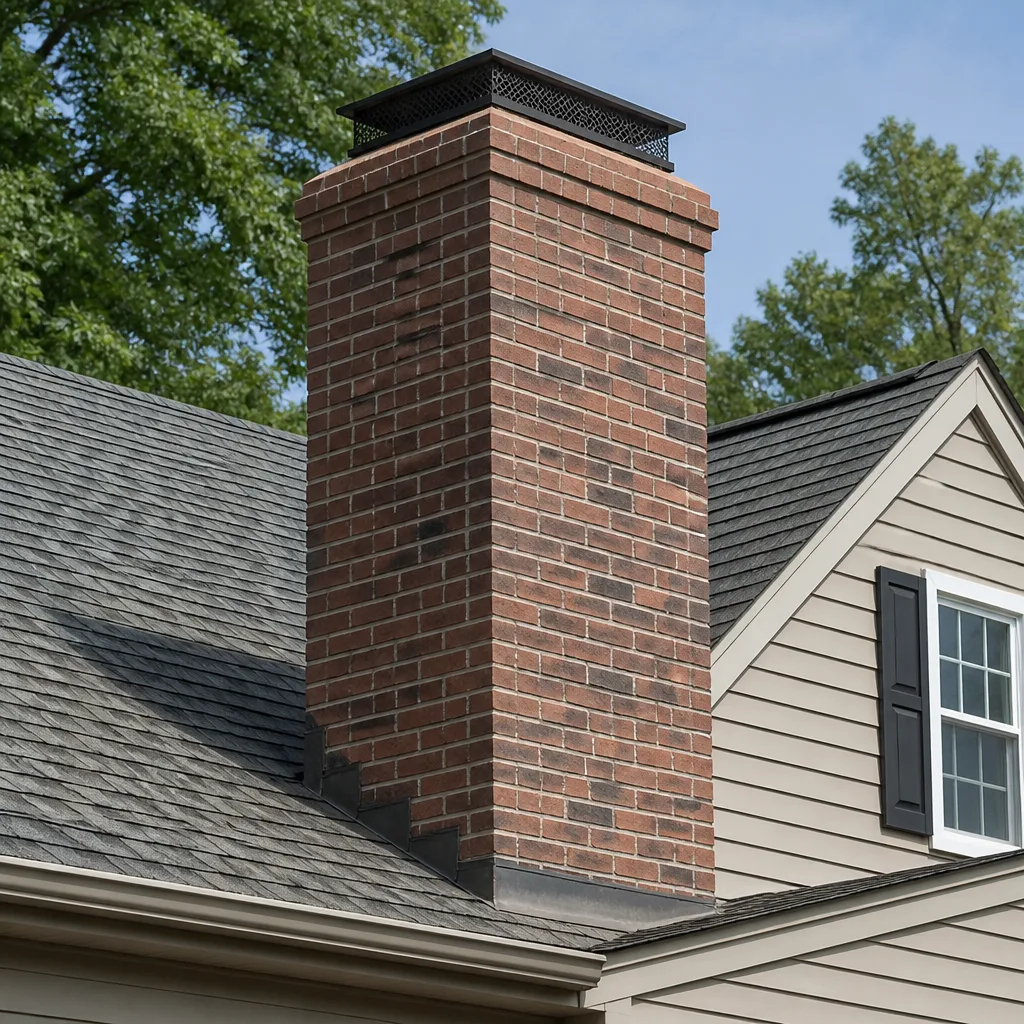 Masonry repair
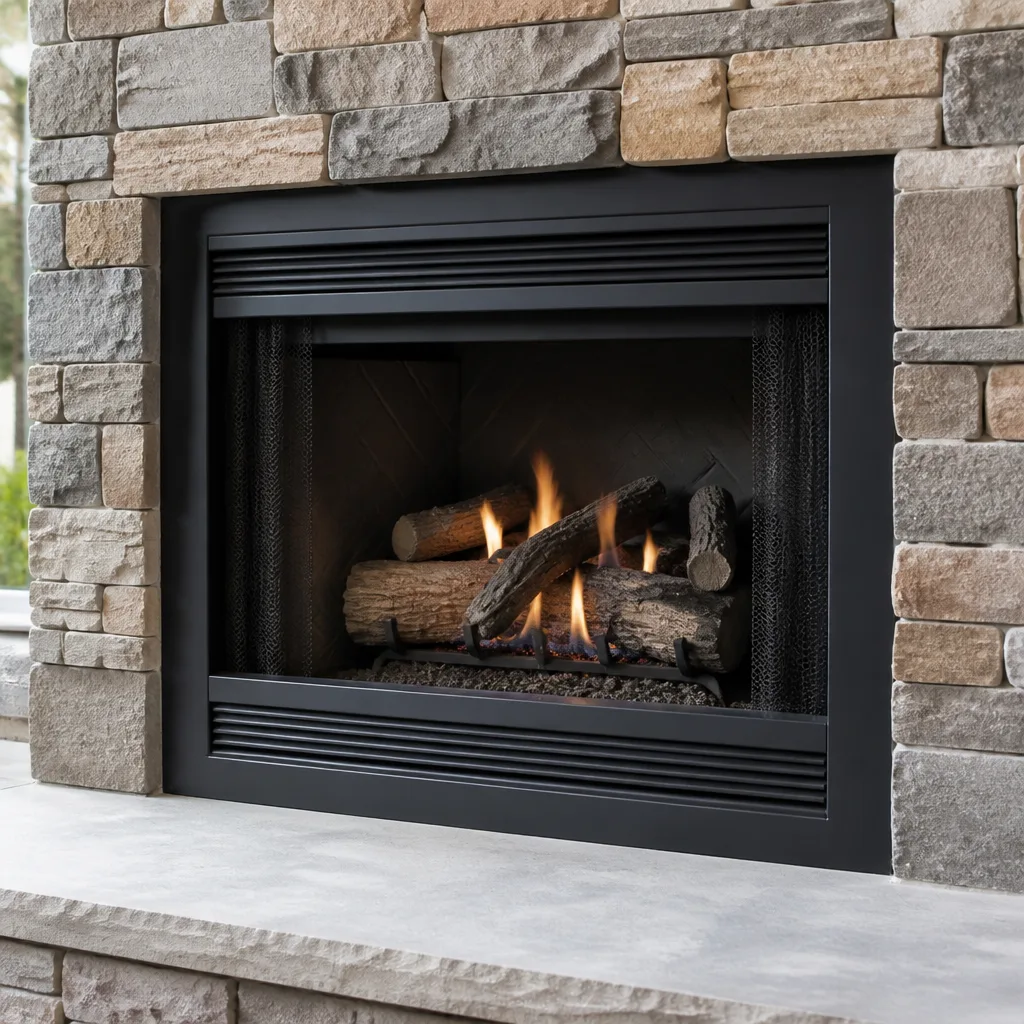 Gas fireplace service
Level 1 sweep and inspection to the NFPA 211 annual standard - flue, crown, cap, and flashing checked and photographed
Chimney sweep logs do not sweep chimneys. They loosen some creosote - which then falls where a brush and vacuum still have to collect it.
Chimney Sweep Maintenance Schedule: What to Do and When
Gas fireplace owners tend to skip chimney maintenance. The reasoning sounds solid: gas burns clean, there’s no soot, no creosote, nothing to sweep. But a gas flue corrodes in ways a wood flue never does. Condensation and flue gas acids sit against the liner, and the damage shows up silently – no smell, no visible smoke, just a liner thinning from the inside until it fails. The same gap in logic trips up wood burners who assume one annual sweep covers everything. It doesn’t. A single yearly cleaning is the floor, not the standard. What your chimney actually needs depends on what you burn, how often you burn it, and how old the flue is. This guide breaks that down for High Point homeowners so small issues get caught while they’re still small.
Quick Answer
Wood-burning chimneys need sweeping once a year, or sooner if creosote buildup reaches 1/8 inch. Gas appliance flues should be inspected annually even though they rarely need sweeping. Pellet stoves typically need sweeping once a year after the heating season, and oil furnace flues need annual inspection with cleaning as buildup dictates. Every chimney, regardless of fuel, gets an annual inspection – and a Level 2 inspection after any new appliance install, home purchase, or storm event.
Styles & brands we work with
- Sweep & inspection
- Caps & crowns
- Flue relining
- Masonry repair
- Gas fireplace service
Table of Contents
- Why Fuel Type Sets Your Schedule
- Wood-Burning Chimneys: The Cords-to-Creosote Math
- Gas, Pellet, and Oil: Three Different Maintenance Rhythms
- Spring vs. Fall: Why Task Order Matters
- Level 1 vs. Level 2 Inspections Under NFPA 211
- The Ground-Level Checklist: Cap, Crown, and Flashings
- Common Mistakes to Avoid
- Frequently Asked Questions
Why Fuel Type Sets Your Schedule
The single biggest mistake in chimney maintenance is assuming every chimney follows the same calendar. They don’t. The byproducts of combustion change completely depending on what you burn, and those byproducts are what damage the flue.
Wood produces creosote – a tar-like residue that accumulates on flue walls and ignites at high temperature. Gas produces water vapor and mildly acidic condensate that eats at masonry and metal liners from the inside. Pellet fuel burns hot and relatively clean but leaves fly ash that clogs vent passages. Oil leaves soot and sulfur residue that corrodes steel.
That means the maintenance priority shifts with the fuel:
- Wood: creosote removal is the whole game. Sweeping frequency is driven by burn volume.
- Gas: corrosion inspection matters more than sweeping. Venting and liner condition are the focus.
- Pellet: ash removal and vent clearance. The appliance itself needs servicing alongside the flue.
- Oil: soot and corrosion checks, plus a close look at the flue’s connection to the furnace.
Here in the Piedmont, our burn season runs roughly October through March – long enough that most wood burners put real hours on the system, and cool enough that gas units run consistently through the winter. That means inspection timing in High Point usually lands in early spring or early fall, right at the edges of the heating season. A homeowner on the west side of High Point burning two cords of hardwood has a completely different maintenance profile than a gas-insert owner near Oak Hollow who runs the fireplace for ambiance a few nights a month. Treating them the same is how small problems become expensive ones.
Wood-Burning Chimneys: The Cords-to-Creosote Math
Creosote accumulates in proportion to how much wood you burn and how well it burns. The general rule most chimney professionals work from is a sweep any time creosote reaches 1/8 inch on the flue walls – roughly the thickness of two pennies stacked. Below that, it’s manageable. Above it, the fire risk climbs fast.
Burn volume gives you a rough way to predict when you’ll hit that threshold:
- Under one cord per season: occasional use. An annual sweep plus inspection usually keeps buildup in check.
- One to three cords per season: regular use. Annual sweeping is the floor; a mid-season visual check is smart.
- Three to five cords per season: heavy use. Expect quarterly checks during the burn season, with sweeping as needed.
- Over five cords or continuous burning: near-constant use. Quarterly sweeps are appropriate, and creosote inspection should happen more often.
Burn quality matters as much as volume. Seasoned wood (split and dried, ideally for a full year) burns hot and clean. Green or unseasoned wood produces more smoke, more creosote, and more buildup per cord. So does a fire that’s regularly run cool – a smoldering fire creates far more creosote than a hot one, even with the same amount of wood.
In our experience, the homeowners who get surprised by heavy creosote are usually the ones burning unseasoned wood or damping the fire down overnight. If you’re doing either, treat 1/8 inch as a hard ceiling and check more often than the calendar suggests. Our technicians have up to 14 years of experience and can tell you during a chimney sweep how your specific burn pattern is showing up on the flue walls.
Gas, Pellet, and Oil: Three Different Maintenance Rhythms
Gas fireplaces and inserts don’t need sweeping in the traditional sense – there’s no creosote or soot to speak of. But “no sweeping needed” is not the same as “no maintenance needed.” Gas flues corrode from condensation and the mild acids in flue gas, and the damage happens quietly. An annual inspection is the minimum, and it should include a look at the liner, the vent termination, and the condition of the appliance connection.
Pellet stoves sit somewhere between gas and wood on the maintenance spectrum. They burn hot and clean, so creosote isn’t the concern – fly ash is. Ash builds up in the vent passages and exhaust, and it can restrict airflow enough to affect how the stove burns. Sweep the flue once a year after the heating season, and clear the appliance’s internal ash per the manufacturer’s schedule.
Oil furnace flues get an annual inspection, with cleaning as buildup warrants. Oil leaves soot and sulfur residue that corrodes steel over time, and the connection between the furnace and the flue is where problems usually start. If you’re not sure which category your system falls into, that’s exactly what an inspection is for.
Whichever fuel you burn, the vent termination outside matters as much as the flue inside. Components from Olympia Chimney and Gelco are what we reach for when a cap or vent cover needs replacing, because the fit has to match the flue diameter and the manufacturer’s spec. An improvised hardware-store cap that doesn’t seal properly lets water and animals in, which is how a gas flue ends up corroding faster than it should.
Spring vs. Fall: Why Task Order Matters
Most homeowners think of chimney maintenance as a fall task – you sweep before the heating season so the flue is clean when you light the first fire. That’s half right, and doing everything in fall actually wastes money.
The better split is this: major cleaning and repair happen in spring, after the burn season, and pre-season checks happen in fall.
Here’s why. A spring sweep clears out the season’s creosote and ash, and the inspection that comes with it catches any damage while there’s still warm-weather time to fix it. If the inspection turns up a cracked crown, deteriorated flashing, or a failing liner joint, that repair can happen in spring and summer, well before you need the chimney again. In our part of North Carolina, spring and summer are also when you want water issues addressed – our summers bring heavy rain and thunderstorms, and any water finding its way into the flue through a failed cap or crown does its damage over the warm months when you’re not using the chimney and not thinking about it.
If you wait until fall to sweep, you’re compressing the whole cycle into a few weeks. You sweep, you discover the damage, and now you’re trying to schedule repair during the exact window when everyone else is doing the same thing.
- Early spring, right after the last fire: sweep out the season’s creosote and ash.
- Same visit: full inspection of the flue, cap, crown, and flashings.
- Late spring through summer: complete any repair or relining work the inspection flagged.
- Early fall: quick pre-season check to confirm everything’s ready and nothing shifted over the summer.
- Mid-winter, for heavy burners: visual check of creosote buildup, sweep if it’s approaching 1/8 inch.
That order – sweep, inspect, repair in warm months, confirm in fall – spreads the cost and catches problems when they’re cheap to fix. Doing it in reverse means you’re always reacting.
Level 1 vs. Level 2 Inspections Under NFPA 211
NFPA 211, the standard that governs chimneys, fireplaces, vents, and solid fuel appliances, defines three inspection levels. For a maintenance schedule, the two that matter most are Level 1 and Level 2.
A Level 1 inspection is the routine annual check. It covers the readily accessible parts of the system – the firebox, the damper, the visible portions of the flue, the appliance connection, and the exterior at ground level – and confirms the chimney is sound and clear. It’s what you get with a normal annual sweep when nothing has changed.
A Level 2 inspection goes further. It covers everything a Level 1 does plus the accessible portions of the flue and vent that a Level 1 can’t reach, using a camera. It’s the inspection you need whenever something about the system has changed or could have changed.
The events that call for a Level 2 inspection:
- A new appliance is installed, or an existing one is replaced or converted to a different fuel type.
- A home is bought or sold – a change in ownership.
- After a chimney fire or any event that may have damaged the flue.
- After a major storm or earthquake that could have shifted or cracked the structure.
- When a Level 1 inspection turns up something that needs a closer look.
For High Point homeowners, the storm clause comes up more than you’d expect. Our spring and summer thunderstorms are strong enough to move a cap, crack a crown, or knock flashing loose, and none of that damage announces itself from the living room. If a storm has come through and you’re not sure the chimney came through clean, a Level 2 inspection is the right call. A Level 1 would tell you the flue is clear; a Level 2 with a camera tells you what the flue walls actually look like – and shows you the footage so you can see for yourself.
The Ground-Level Checklist: Cap, Crown, and Flashings
You can’t inspect the inside of your flue from the ground, but you can catch a remarkable amount of trouble from the yard. Cap, crown, and flashings are maintenance items as much as repair items – the problems they develop start small and get expensive when they’re ignored.
Here’s the walkthrough. Binoculars help, and you don’t need to climb anything.
- The cap. Look at the top of the chimney. Is there a cap, and is it sitting flat and intact? A missing or damaged cap lets rain in and gives birds and squirrels an open door. A cap from a supplier like Copperfield or Famco is sized to the flue, so the fit stays tight.
- The crown. The crown is the sloped concrete top of the chimney. Check for visible cracks. Even a hairline crack lets water in, and water that gets into the crown freezes, expands, and widens the crack over the winter.
- The flashing. Where the chimney meets the roof, there’s a metal seal called the flashing. Check that it’s snug and that there’s no gap where it meets the shingles or the masonry. Flashing that’s pulled away is a leak waiting for the next hard rain.
- The masonry itself. Look at the brickwork. Spalling – brick faces flaking or popping off – or crumbling mortar joints are signs water is getting in and freezing.
- The exterior flue opening. If you can see down into the flue from the top, note any obvious blockage – a bird nest, leaves, or a debris cap.
If any of the first four items looks off, that’s a call, not a wait. And if the crown or mortar is the issue, resurfacing with HeatShield can often restore the flue’s integrity without a full reliner replacement. It’s a repair-grade approach that extends the life of what you have rather than tearing it out.
Where cap and venting components need replacing, the right part has to match the flue. That’s why we source caps and covers through Gelco and Famco – proper fit and spec matter more than what’s on the shelf at a big-box store.
Common Mistakes to Avoid
- Sweeping once a year and calling it done. An annual sweep is the floor for a wood chimney, not a full maintenance plan. If you burn three cords a season, a mid-season creosote check is part of the job, and skipping it lets buildup reach the 1/8-inch threshold unnoticed.
- Assuming gas means no maintenance. Gas flues corrode from condensation and flue gas acids, and the damage is invisible from the living room. Annual inspection is non-negotiable for gas, even without soot.
- Doing all the work in fall. Fall is the busiest season for every chimney professional in High Point, and a fall sweep leaves no time to complete any repair the inspection finds before cold weather. Sweep and inspect in spring, repair over the summer, confirm in fall.
- Skipping the Level 2 inspection after a home purchase. Buying a home is a change in ownership, and NFPA 211 calls for a Level 2 inspection in that situation. A standard home inspection rarely covers the inside of the flue.
- Running the fire cool and slow to make wood last. A smoldering fire creates far more creosote per cord than a hot one. Burning seasoned wood hot is cleaner and cheaper in the long run than stretching unseasoned wood.
- Leaving a cheap cap on an expensive flue. A cap that doesn’t fit properly lets water and animals in. The fit has to match the flue diameter and the manufacturer’s spec – that’s why we use trade-grade components rather than improvised hardware-store parts.
- Cleaning the chimney but not the dryer vent. Your dryer vent accumulates lint the same way your flue accumulates creosote, and it’s a real fire hazard many High Point homeowners never think about. It’s worth doing under the same service call.
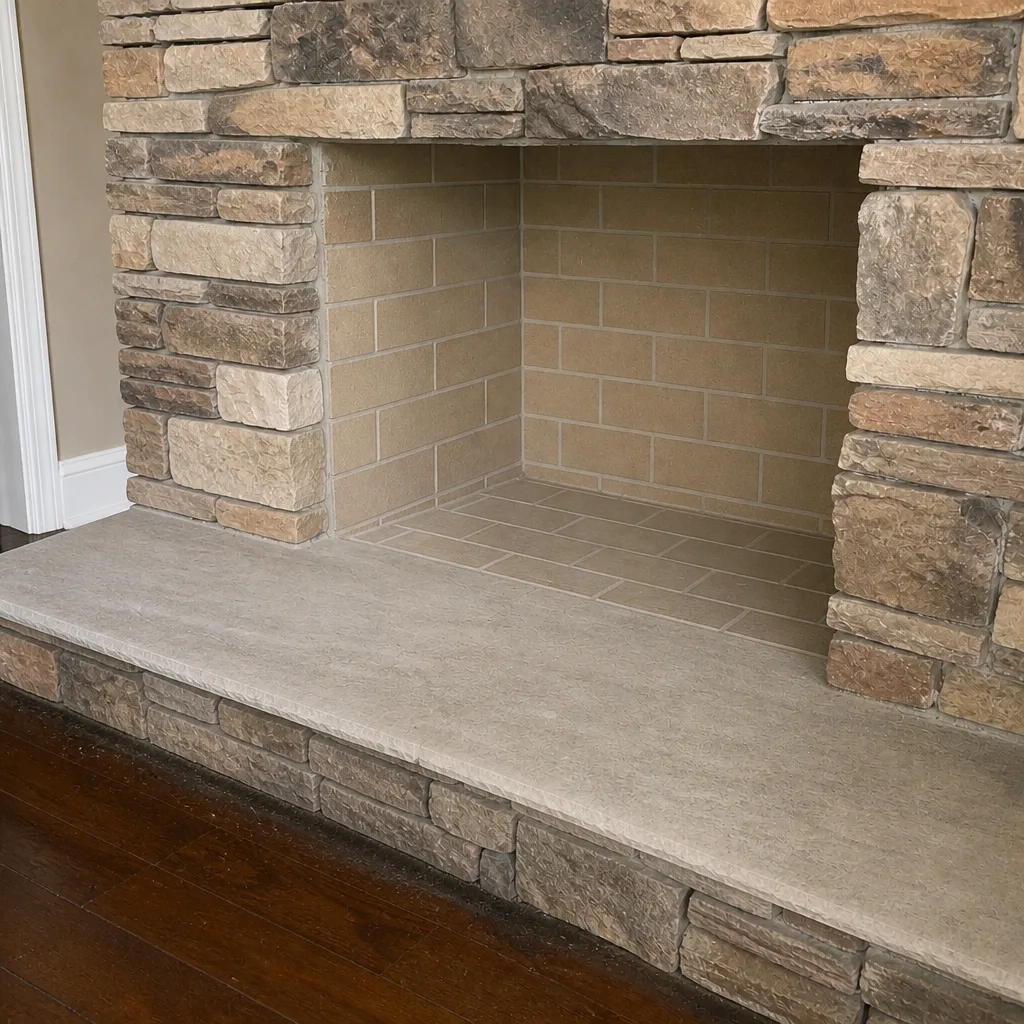
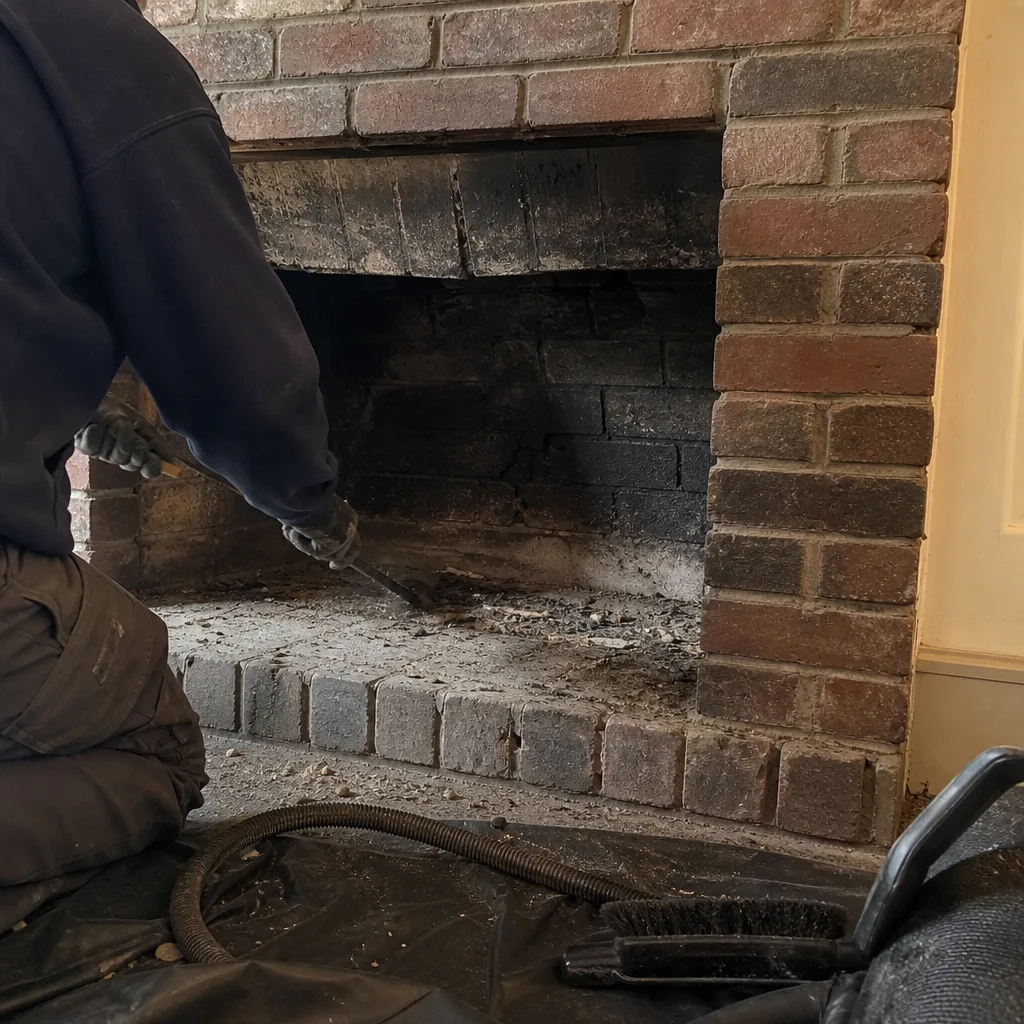
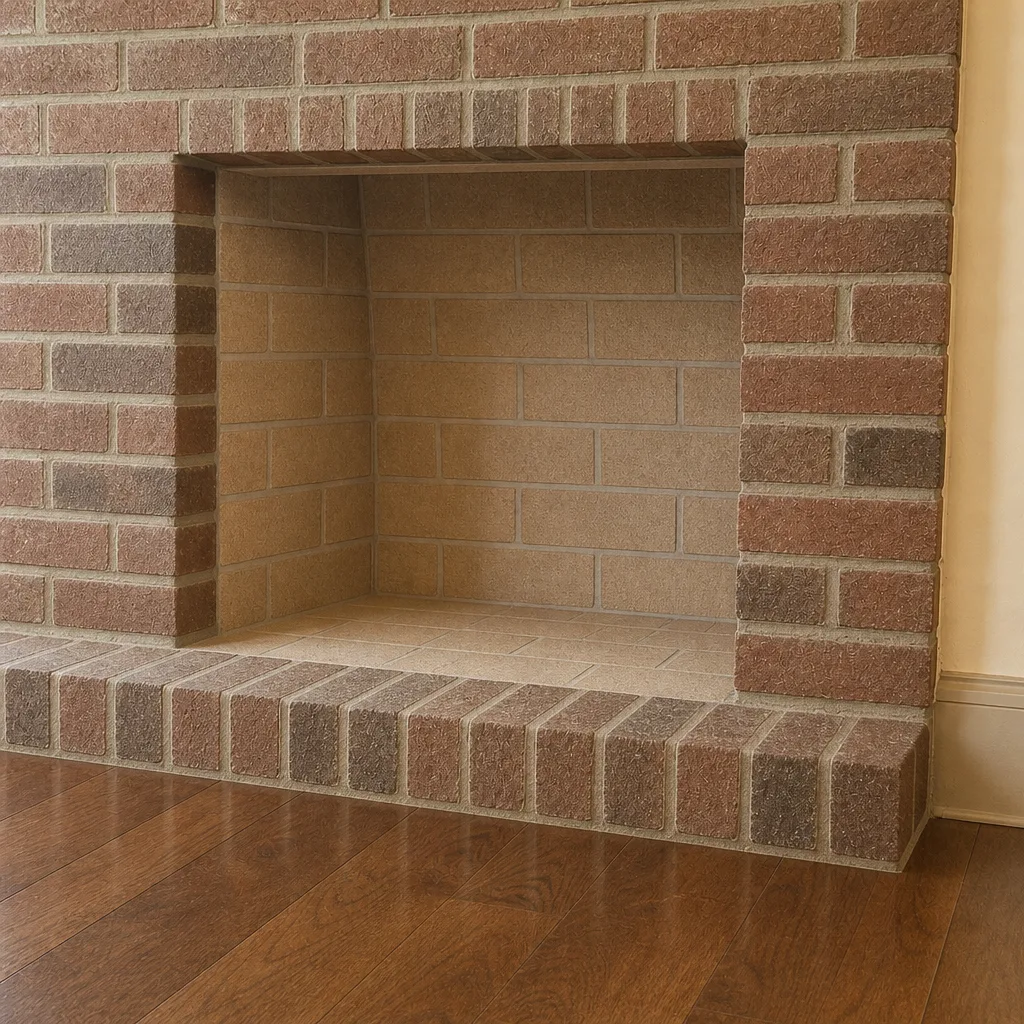
See the difference
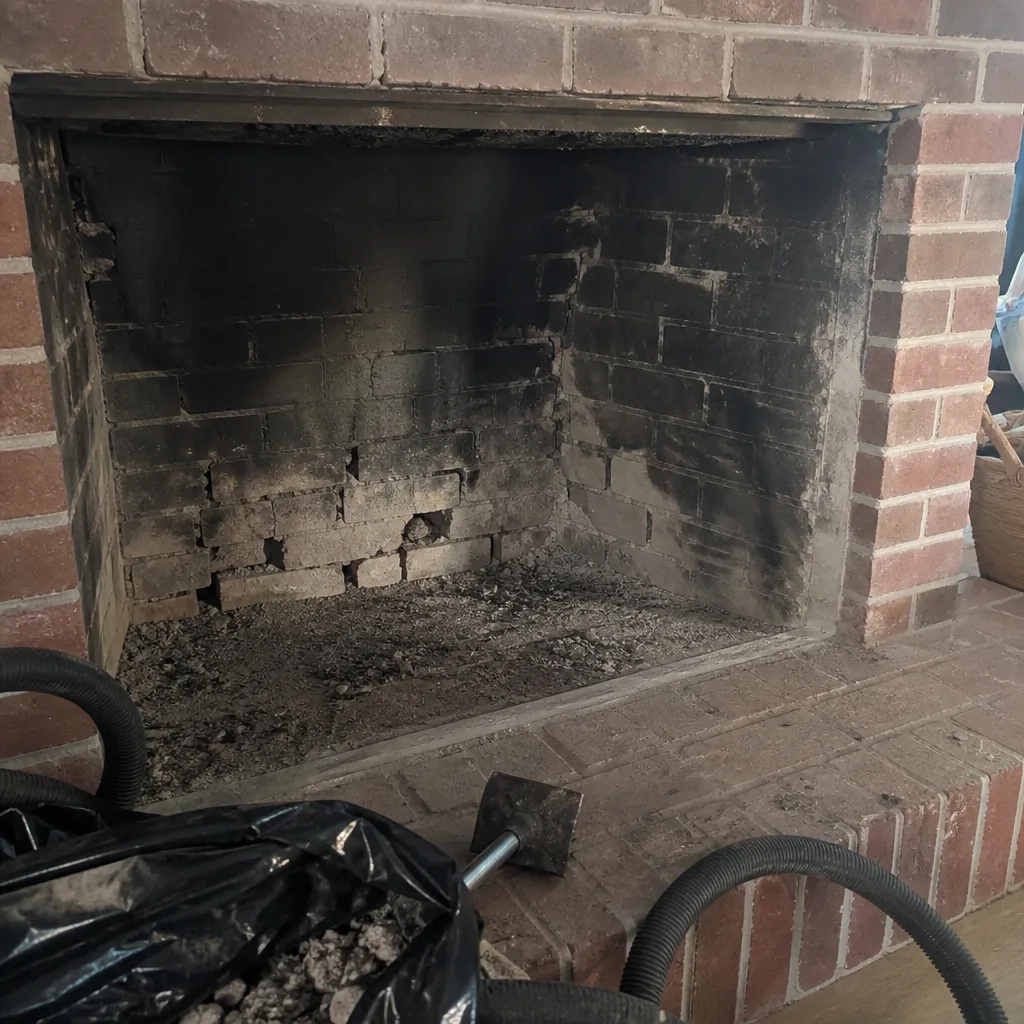 Before
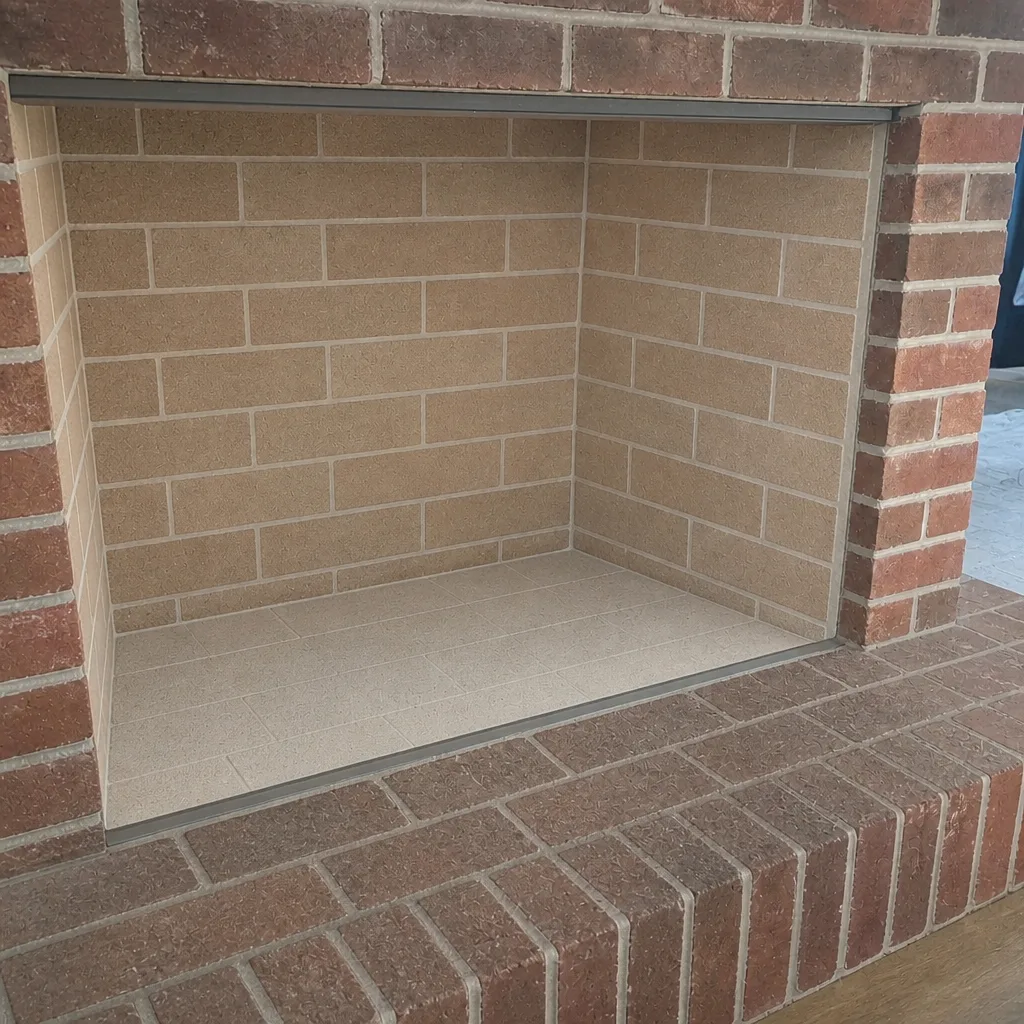 After
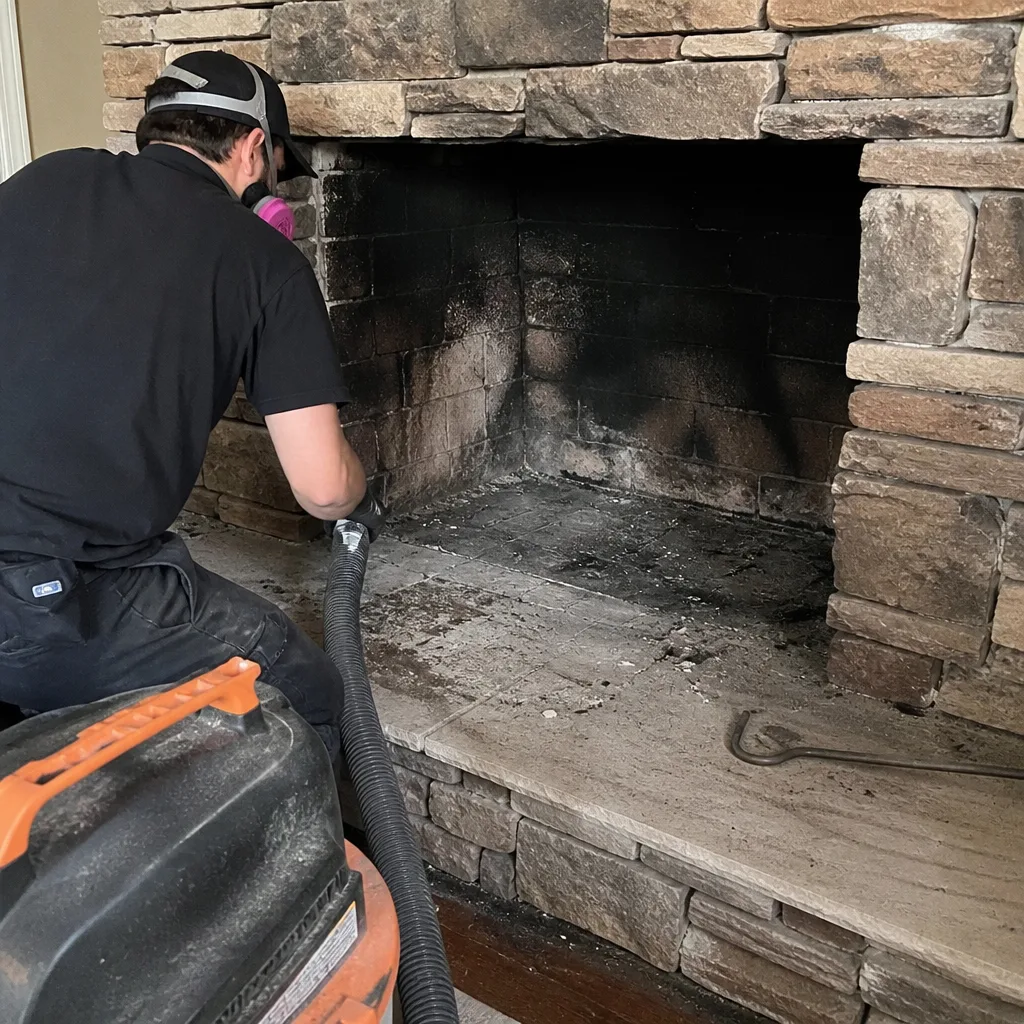 Before
 After
 Before
 After
When to Call a Professional
Some maintenance you can do yourself from the ground. The moment anything goes beyond the checklist, it’s time to call. Call us if you see cracked or spalling masonry, a damaged or missing cap, or loose flashing. Call if you’re unsure how much creosote has built up and want an honest read on whether it’s near the 1/8-inch threshold. Call after a home purchase or a new appliance install, since those call for a Level 2 inspection. And call if it’s simply been more than a year since your last sweep, or if you can’t remember when it was.
High-tension springs and electrical components aren’t part of a chimney, and neither is gas line work – those belong to specialists. But the flue itself involves real risk: a chimney fire can start with creosote you can’t see, and carbon monoxide from a blocked or damaged flue is a genuine hazard. That’s why we recommend a trained professional handle any work above the ground. Chimney Sweep High Point offers free estimates in High Point – call (877) 798-3391. We answer 24/7. Fast dispatch from 7am to 7pm, Sunday through Friday.
Frequently Asked Questions
Once a year for most wood-burning chimneys, and sooner if creosote reaches 1/8 inch on the flue walls. Heavy burners – over three cords a season – should check creosote during the burn season and sweep as needed, which can mean quarterly for continuous burners. Call (877) 798-3391 for an exact quote, and estimates are free.
Gas chimneys rarely need sweeping, but they absolutely need annual inspection. Gas flues corrode from condensation and flue gas acids, and the damage is invisible until it’s serious. An annual inspection catches a failing liner while it’s still a repair instead of a replacement. Call (877) 798-3391 to book an inspection – estimates are free.
A Level 1 inspection is the routine annual check of readily accessible parts; a Level 2 covers everything a Level 1 does plus the flue interior via camera, and it’s required after a new appliance install, home purchase, chimney fire, or storm event. If you’ve had any of those in High Point, book a Level 2. Call (877) 798-3391 for a free estimate.
Spring is better. Sweep and inspect right after the burn season, do any repair work over the summer, and confirm everything in early fall. Fall-only sweeping compresses the whole cycle into the busiest weeks and leaves no room to fix what the inspection finds. Call (877) 798-3391 to schedule a spring sweep – estimates are free.
You can’t tell from the living room – corrosion on a gas flue is interior damage that needs a camera inspection to see. Visible clues like water stains or rust around the vent are worth mentioning, but the only reliable answer comes from a Level 2 inspection. Call (877) 798-3391 for a free estimate.
Not the same, but they need regular cleaning. Dryer vents accumulate lint, which is a real fire risk many homeowners overlook, and the buildup often goes years without anyone checking. High Point homeowners can get dryer vent cleaning handled under the same service call as a chimney sweep. Call (877) 798-3391 for a free estimate.
The Bottom Line
One annual sweep is the minimum, not the standard. Wood chimneys need sweeping that scales with cords burned; gas flues need annual inspection even though they don’t need sweeping; pellet and oil systems each follow their own rhythm. Sweep and inspect in spring so any repair can happen in summer, and call for a Level 2 inspection any time a home changes hands, an appliance is installed, or a storm comes through. Get the cap, crown, and flashings checked on every visit, not just when they fail. As a focused Chimney Sweep High Point company, we handle sweeping, liner work, and structural repair – and we can confirm proper components from Copperfield and Olympia Chimney are the right fit, not improvised workarounds. If you’re planning your schedule for High Point and aren’t sure where your system stands, call (877) 798-3391 for a free estimate. We answer 24/7, with fast dispatch from 7am to 7pm, Sunday through Friday.
Written by the team at Chimney Sweep High Point.